Mold Remediation Services in St. Marys, PA
St. Marys sits in the heart of Elk County, where the rolling hills of north-central Pennsylvania create a landscape of hardwood forests, tight-knit neighborhoods, and homes built to withstand harsh winters. The region's heavy snowfall, spring thaws, and humid summer months create conditions where mold can flourish—often hidden behind walls, beneath flooring, or inside crawl spaces where homeowners rarely look.
Properties throughout St. Marys, from historic residences near Benzinger Township to newer construction along the Million Dollar Highway corridor, share common vulnerabilities. Basements in this area frequently contend with hydrostatic pressure from seasonal groundwater changes. Older homes with stone foundations breathe differently than modern builds, trapping moisture in unexpected ways. Even well-maintained properties can develop mold issues after ice damming, foundation seepage, or undetected plumbing failures.
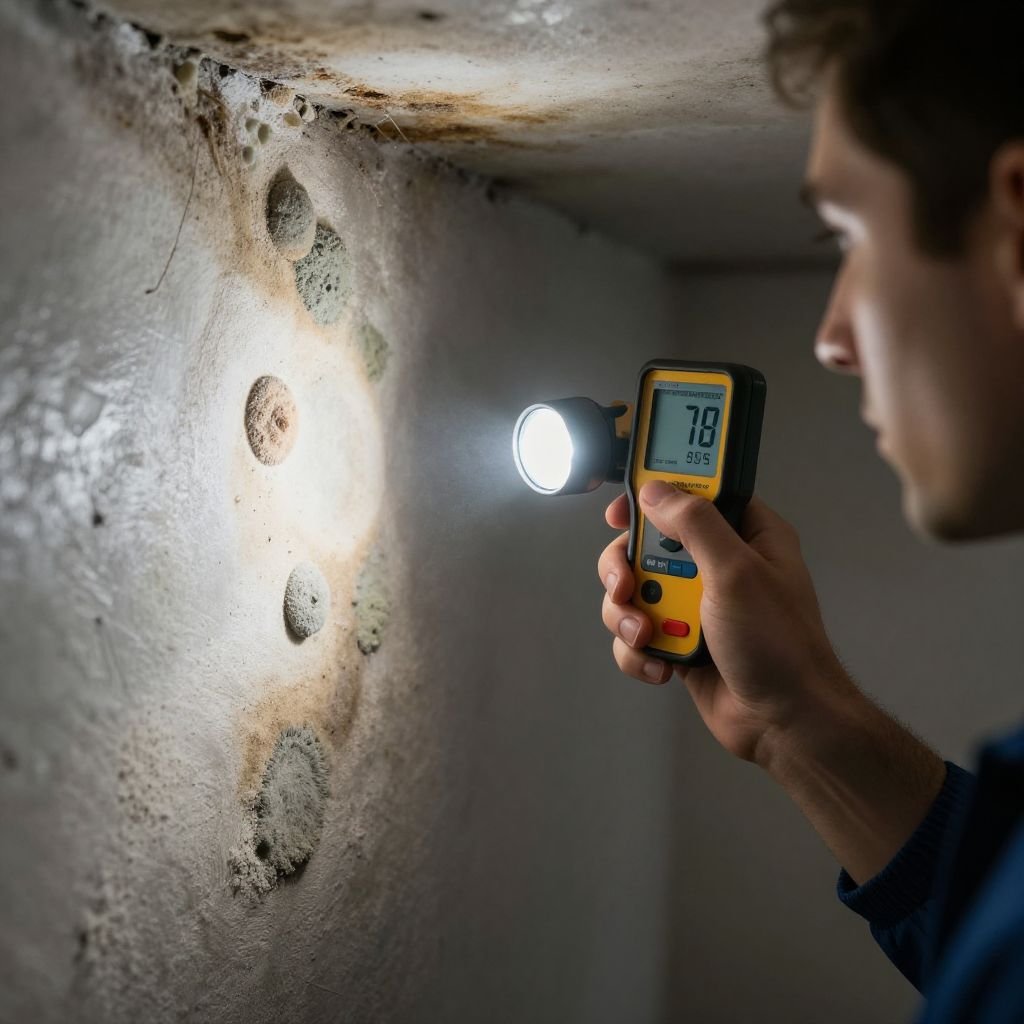
Our mold remediation services address the specific challenges St. Marys residents face. We begin with thorough moisture mapping and air quality assessment, identifying not just visible growth but the hidden reservoirs feeding continued colonization. Elk County's rural setting means many homes rely on wells and septic systems, so we take particular care protecting water sources during remediation work.
The remediation process follows containment protocols suited to your property's layout, whether that's a compact ranch near the St. Marys Area High School or a sprawling property toward Kersey. HEPA filtration, negative air pressure, and antimicrobial treatment remove active growth while addressing the underlying moisture source. We document everything for insurance purposes, which matters in a community where many homeowners carry policies through regional carriers familiar with Pennsylvania's climate risks.
Post-remediation, we provide moisture management recommendations calibrated to St. Marys' seasonal patterns—ventilation strategies for humid July afternoons, foundation maintenance before freeze-thaw cycles, and humidity control options for below-grade spaces that stay cool even during summer heat waves.
Common Questions About Mold Remediation in St. Marys
How does St. Marys' heavy snowfall contribute to mold problems?
Deep snowpack against foundations creates prolonged damp contact with basement walls. When spring thaws arrive rapidly, saturated soil drives moisture through concrete and block foundations. Ice dams on roofs force water under shingles, saturating attic insulation and ceiling cavities. These seasonal patterns mean mold issues often emerge dramatically in March and April, long after the moisture intrusion began.
Are historic homes in St. Marys more susceptible to mold?
Many St. Marys properties date to the early 1900s, built during the town's manufacturing boom. These structures often lack modern vapor barriers, have settled foundations with new seepage paths, and contain decades of layered materials that trap moisture. However, their thick plaster walls and old-growth lumber actually resist mold better than modern drywall if kept dry. The key is understanding each building's unique moisture dynamics rather than applying one-size-fits-all solutions.
Can mold grow during St. Marys' cold winters?
Absolutely. While outdoor temperatures drop below freezing for extended periods, heated interiors maintain mold-friendly conditions. Basements and crawl spaces often stay in the 50-60°F range year-round—ideal for several common species. Winter activities compound the problem: closed windows reduce ventilation, humidifiers combat dry air, and temperature differentials create condensation on cold surfaces. Ice dam repairs frequently reveal mold that developed unseen for months.
What should I do if I smell musty odors but see no visible mold?
Musty odors indicate active microbial volatile organic compound (MVOC) production, meaning mold is growing somewhere. In St. Marys homes, common hidden locations include: beneath vinyl flooring in bathrooms, inside wall cavities around leaking windows, behind basement paneling, within HVAC ductwork, and above drop ceilings. Professional inspection with moisture meters, thermal imaging, and air sampling locates the source without destructive exploration. Early intervention prevents the extensive demolition that delayed detection often requires.
How long does mold remediation typically take in a St. Marys home?
Timeline varies with contamination extent and building construction. A contained basement issue in a ranch home might resolve in 3-5 days. Widespread attic contamination requiring sheathing removal extends to 1-2 weeks. Historic homes with lathe-and-plaster walls need careful remediation that preserves original materials, adding time. We establish clear schedules after assessment and communicate daily progress, understanding that displaced residents want certainty about return timelines.