
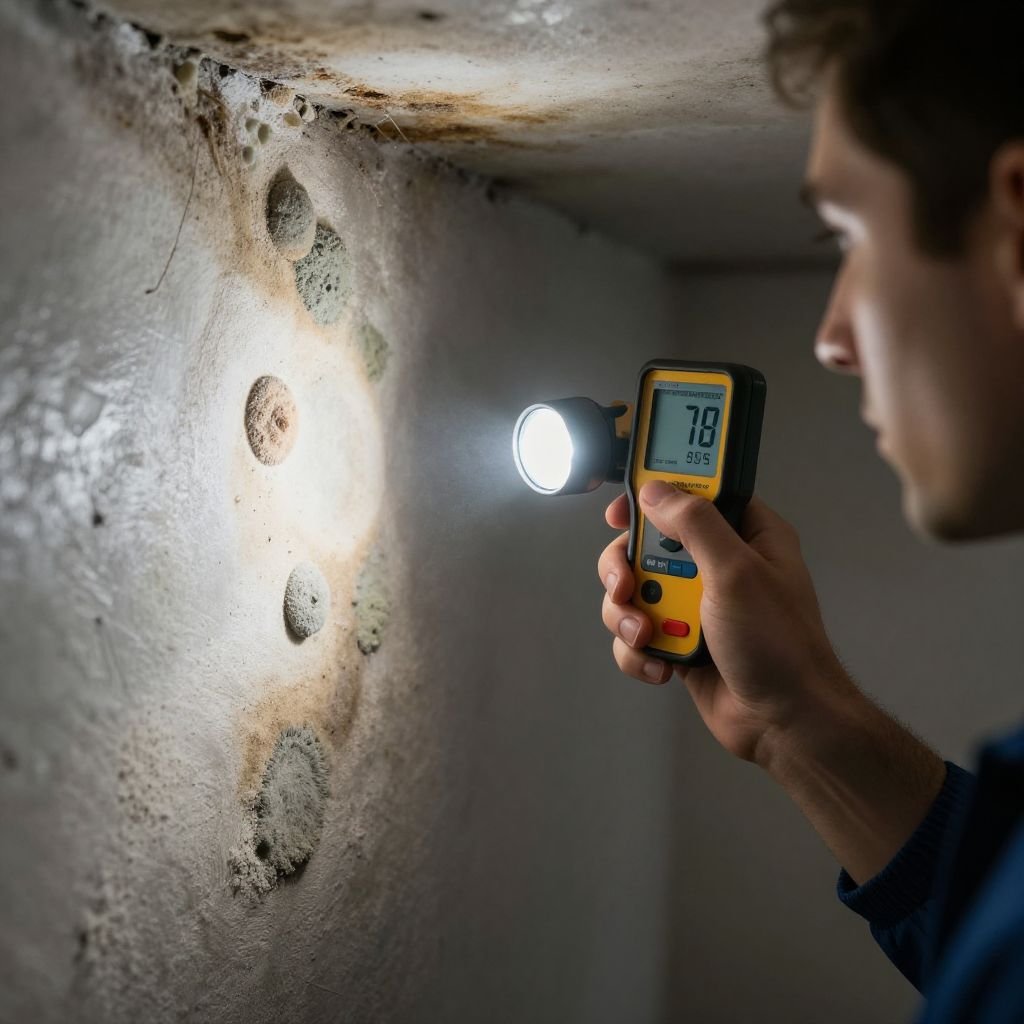

Professional Mold Remediation in Pennsylvania
Pennsylvania homeowners face unique mold challenges due to the state's varied climate, aging housing stock, and abundant rainfall throughout the year. From historic Philadelphia row homes to Pittsburgh basements and rural properties in the Poconos, mold can thrive in virtually any Pennsylvania residence given the right conditions. Our free 24/7 service connects you with experienced, licensed mold remediation professionals across the Commonwealth who understand Pennsylvania's specific environmental factors and building codes.
Mold growth isn't just unsightly—it poses serious health risks including respiratory issues, allergic reactions, and exacerbated asthma symptoms. Pennsylvania's humid summers and damp spring seasons create ideal breeding conditions for mold in crawl spaces, attics, bathrooms, and behind walls. After flooding events, which are increasingly common in many Pennsylvania watersheds, mold can begin developing within 24-48 hours. Professional remediation ensures complete removal, proper containment, and prevention of cross-contamination to other areas of your home.
Seasonal Mold Remediation Tips for Pennsylvania
Spring (March-May): Pennsylvania's spring thaw and frequent rainstorms saturate soil and increase basement humidity. Inspect sump pumps, clean gutters, and check foundation cracks before April showers arrive. Ensure proper grading directs water away from your home's foundation.
Summer (June-August): High humidity levels across the state, particularly in southeastern Pennsylvania, demand vigilant air conditioning maintenance and dehumidifier use in basements. Keep indoor humidity below 60% to inhibit mold growth. Watch for condensation on windows and cold surfaces.
Fall (September-November): Falling leaves clog drains and gutters, causing water backup against foundations. Clean gutters thoroughly after leaf drop. Before heating season begins, inspect and clean HVAC systems that may harbor mold from summer humidity.
Winter (December-February): Ice dams on Pennsylvania roofs trap moisture and create attic mold conditions. Ensure proper attic ventilation and insulation. Monitor indoor humidity levels—over-sealed homes can trap moisture, while overly dry conditions may indicate other problems.
How to Choose a Licensed Mold Remediation Pro in Pennsylvania
Selecting qualified mold remediation requires careful evaluation. Pennsylvania does not currently require statewide licensing specifically for mold remediation, so verifying credentials becomes even more critical. Look for contractors holding certifications from recognized organizations such as the Institute of Inspection, Cleaning and Restoration Certification (IICRC), the National Organization of Remediators and Mold Inspectors (NORMI), or the American Council for Accredited Certification (ACAC).
Request proof of general liability insurance and workers' compensation coverage. Reputable professionals will provide detailed written estimates outlining containment procedures, removal methods, disposal protocols, and post-remediation verification testing. Be wary of contractors offering dramatically low prices or pushing unnecessary services.
Ask potential contractors about their experience with Pennsylvania building types—from century-old stone farmhouses to modern construction. Local knowledge matters for effective moisture source identification and long-term prevention strategies. Check online reviews, request local references, and verify standing with the Pennsylvania Attorney General's Office and Better Business Bureau.
Our free 24/7 service eliminates guesswork by pre-screening mold remediation professionals throughout Pennsylvania. We verify insurance, certifications, and track records so you receive qualified local experts committed to thorough, safe mold removal.
Frequently Asked Questions
How much does mold remediation cost in Pennsylvania?
Costs vary based on infestation size, location, and required containment measures. Minor remediation may start around $500-$1,500, while extensive whole-home treatments can exceed $10,000. Our free 24/7 service provides multiple quotes so you can compare fair market pricing for your specific situation.
Does Pennsylvania require mold remediation contractors to be licensed?
Pennsylvania has no standalone state mold remediation license. However, contractors must hold appropriate business licenses and should carry professional certifications from IICRC, NORMI, or ACAC. Always verify insurance coverage and ask about training credentials before hiring.
Will my Pennsylvania homeowner's insurance cover mold remediation?
Coverage depends on your policy and mold cause. Most standard policies exclude mold damage unless it results from a covered peril like sudden water damage from burst pipes. Flood-related mold typically requires separate flood insurance. Document everything and contact your insurer promptly when discovering mold.
How long does professional mold remediation typically take?
Small, contained projects may complete in 1-3 days. Larger infestations requiring extensive demolition, drying, and reconstruction can take 1-2 weeks or longer. Your referred professional will provide a detailed timeline after assessing your specific contamination scope.