

How to Choose a Mold Remediation Professional in Ridgewood
Finding the right mold remediation specialist in Ridgewood requires careful consideration of local factors unique to Bergen County. The village's mix of historic homes, mature tree coverage, and seasonal humidity patterns create specific conditions that demand experienced local expertise.
Start by verifying proper licensing through New Jersey state requirements. Any legitimate contractor must hold a mold remediation license issued by the New Jersey Department of Labor and Workforce Development. Ask for proof of this credential before scheduling an inspection.
Insurance coverage matters significantly in Ridgewood, where many properties carry substantial value. Confirm your chosen professional carries both general liability and pollution-specific coverage. Workers' compensation is equally essential—mold work involves exposure risks that shouldn't transfer to homeowners.
Local experience with Ridgewood's housing stock provides genuine advantages. Professionals familiar with the area understand common issues in pre-war colonials near Ridgewood's downtown, moisture patterns in basement foundations throughout the village, and the particular challenges posed by older HVAC systems in established neighborhoods. Request references from comparable Bergen County properties.
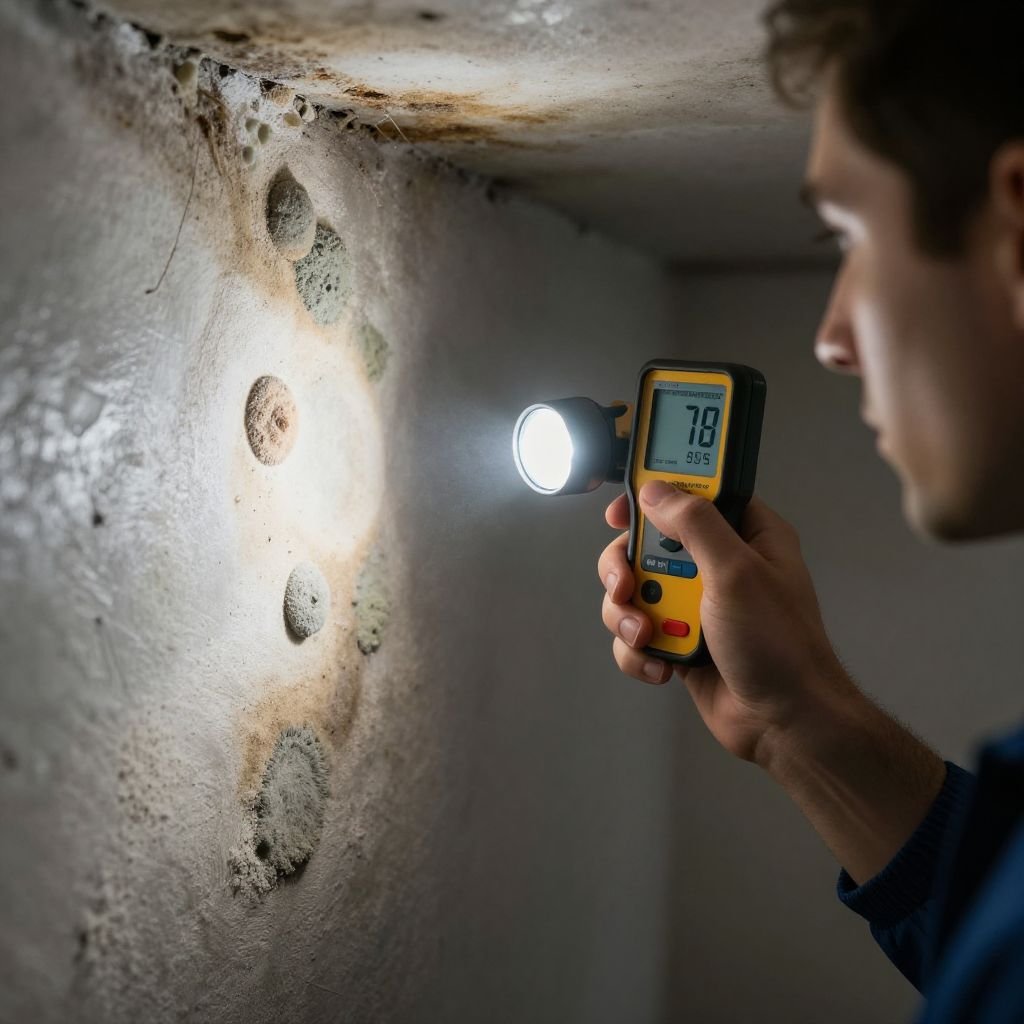
Written protocols should detail containment strategies, air filtration methods, and post-remediation verification testing. Avoid any contractor offering quotes without physical inspection—accurate assessment requires moisture meter readings and often air sampling.
What to Expect from Mold Remediation Services in Ridgewood
Professional mold remediation follows established protocols adapted to each property's specific conditions. Understanding this process helps Ridgewood homeowners prepare appropriately and evaluate service quality.
The process begins with comprehensive assessment. Technicians inspect visible growth, trace moisture sources, and may collect air or surface samples for laboratory analysis. In Bergen County's climate, hidden mold behind wallpaper, beneath flooring, or within wall cavities proves particularly common—thorough investigation prevents incomplete remediation.
Containment installation represents the next critical phase. Heavy-duty polyethylene sheeting creates sealed work zones, often with negative air pressure maintained through HEPA-filtered equipment. This prevents cross-contamination to unaffected areas of your Ridgewood home during removal.
Actual remediation varies by material. Non-porous surfaces undergo HEPA vacuuming and antimicrobial treatment. Porous materials showing significant growth—drywall, insulation, certain flooring types—typically require removal and proper disposal following New Jersey waste regulations.
Drying and dehumidification follow removal. Industrial-grade equipment reduces moisture levels to prevent recurrence, particularly important during Ridgewood's humid summer months. The final phase includes clearance testing by an independent third party, verifying airborne spore counts return to acceptable levels before containment removal.
Available Mold Remediation Services
Ridgewood residents can access comprehensive mold solutions addressing diverse property needs and contamination scenarios.
Emergency Mold Response addresses active water intrusions, burst pipes, or storm damage requiring immediate intervention. Rapid response within 24 hours limits spread and secondary damage in Bergen County's moisture-sensitive environments.
Basement & Crawl Space Remediation targets below-grade spaces where humidity accumulates. These services include vapor barrier installation, foundation sealing, and specialized dehumidification suited to Ridgewood's older homes with original stone or block foundations.
Attic Mold Treatment resolves ventilation-related growth common in properties with insufficient airflow or bathroom exhaust terminating in attic spaces. Solutions often combine remediation with ventilation improvements.
Whole-House Mold Abatement serves properties with widespread contamination, systemic moisture issues, or post-flooding scenarios. This intensive service coordinates multiple work phases while maintaining livable conditions where possible.
Preventative Moisture Control provides proactive solutions—crawl space encapsulation, humidity monitoring systems, and drainage improvements—reducing future mold risk without active contamination present.
Frequently Asked Questions
How long does mold remediation typically take in a Ridgewood home?
Most residential projects complete within 3–7 days. Duration depends on contamination extent, affected materials, and whether structural repairs follow removal. Basement projects in older Ridgewood homes often require additional time for thorough drying of masonry materials.
Will mold return after professional remediation?
Lasting results require moisture source elimination. Proper remediation includes identifying and addressing underlying causes—plumbing leaks, drainage issues, or ventilation deficiencies. Without this step, regrowth becomes likely regardless of removal quality.
Should I test for mold before selling my Ridgewood property?
Pre-listing testing provides transparency and negotiation clarity. Bergen County's competitive market makes disclosure important; documented remediation history with clearance testing often proves valuable to prospective buyers conducting due diligence.