

Professional Mold Remediation in New Jersey
New Jersey's diverse climate and aging housing stock make mold remediation an essential service for homeowners across the Garden State. From historic Victorian homes in Cape May to mid-century properties in Bergen County, moisture intrusion and mold growth threaten both property values and occupant health. New Jersey's proximity to the Atlantic Ocean creates elevated humidity levels, while nor'easters, hurricanes, and heavy seasonal rainfall regularly expose basements, crawl spaces, and attics to water damage.
Our free 24/7 service connects New Jersey homeowners with pre-screened, licensed mold remediation professionals in every county—from Sussex to Salem and everywhere in between. Whether you're dealing with visible black mold after flooding in Ocean County, musty odors in a Monmouth County basement, or hidden mold behind drywall in an Essex County brownstone, we match you with local experts who understand New Jersey's specific building codes, DEP regulations, and insurance requirements.
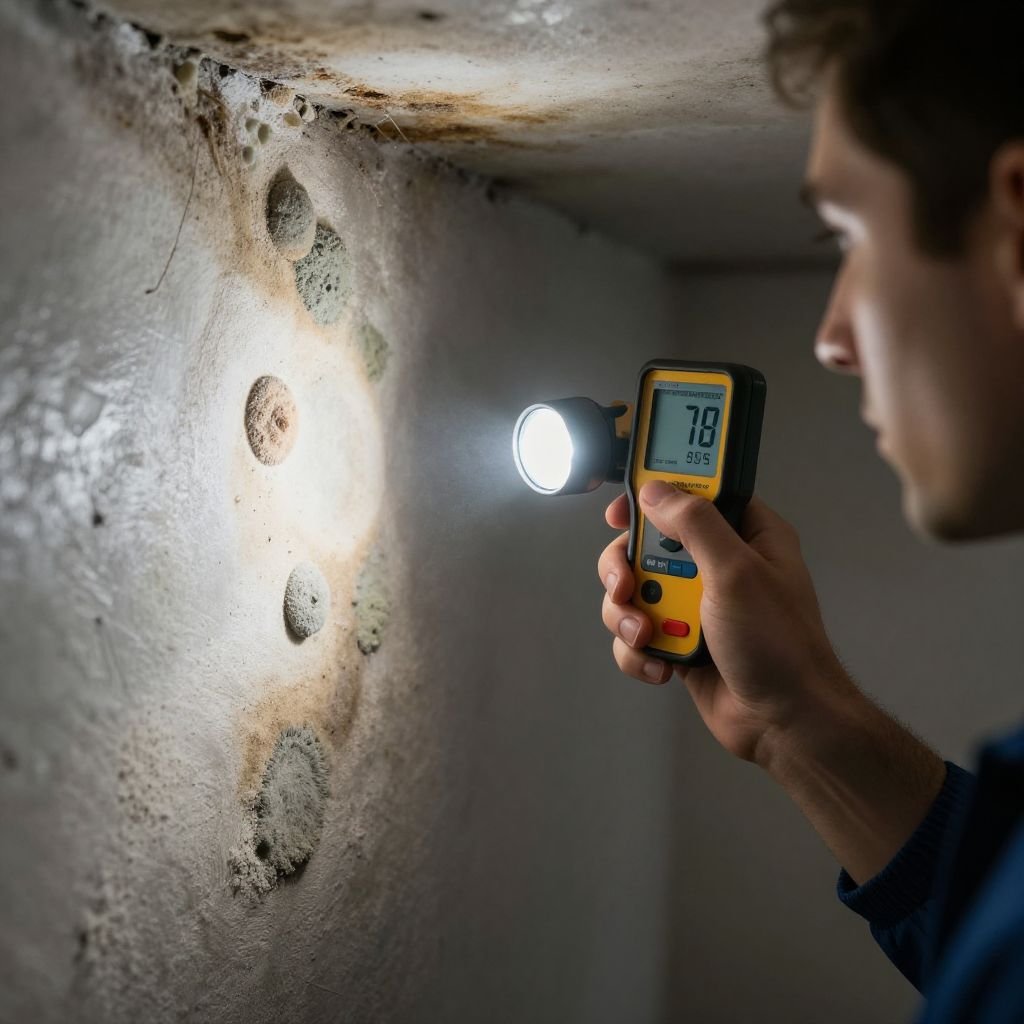
Mold exposure can trigger respiratory issues, allergic reactions, and worsen asthma symptoms—particularly concerning for children, elderly residents, and those with compromised immune systems. Professional remediation addresses not just visible mold but underlying moisture problems that fuel recurrence. Our network specialists employ containment protocols, HEPA filtration, antimicrobial treatments, and structural drying techniques that DIY methods simply cannot replicate safely or effectively.
Seasonal Mold Remediation Tips for New Jersey
Spring (March–May): Melting snow and spring showers saturate New Jersey soils, pushing moisture through foundation cracks. Inspect basement walls and floors after heavy rains. Clean gutters and ensure downspouts direct water at least six feet from foundations. Consider installing sump pumps with battery backup before peak storm season.
Summer (June–August): Humidity levels regularly exceed 70% along the Jersey Shore and throughout the Delaware River valley. Run dehumidifiers in basements and crawl spaces, maintaining relative humidity below 60%. Check window air conditioning units and central AC drip pans for condensation buildup—a common summer mold source. Shore property owners should inspect vacation homes regularly during peak rental season.
Fall (September–November): Hurricane remnants and tropical storms frequently drench New Jersey in autumn. Clear roof drains and inspect flashing before storm season intensifies. Rake leaves away from foundation perimeters where they trap moisture. Schedule professional HVAC inspections to prevent mold colonization in dormant heating systems.
Winter (December–February): Ice dams along northern New Jersey rooflines force meltwater under shingles and into wall cavities. Ensure adequate attic insulation and ventilation to maintain consistent roof temperatures. Monitor indoor humidity—overly dry winter air drives homeowners to humidify excessively, creating condensation on cold exterior walls. Check pipe insulation in unheated crawl spaces and garages to prevent burst pipes and subsequent flooding.
How to Choose a Licensed Mold Remediation Pro in New Jersey
New Jersey requires mold remediation contractors to hold proper licensing through the Department of Environmental Protection. When selecting a professional through our free 24/7 service, verify these critical qualifications:
Proper Licensing and Certification: Confirm contractors hold New Jersey mold remediation licenses and carry certifications from recognized industry organizations such as the Institute of Inspection, Cleaning and Restoration Certification (IICRC) or the National Organization of Remediators and Mold Inspectors (NORMI). Request license numbers and verify standing with state authorities.
Comprehensive Insurance Coverage: Reputable contractors maintain general liability insurance and workers' compensation coverage. Mold remediation involves disturbing contaminated materials—adequate insurance protects your property and shields you from liability if workers are injured on-site.
Detailed Assessment Protocols: Qualified professionals begin with thorough moisture mapping, air quality sampling, and visual inspection—not immediate demolition. They should explain containment strategies, establish negative air pressure boundaries, and provide written remediation plans with clear scopes and timelines.
Post-Remediation Verification: Insist on independent third-party clearance testing following remediation work. This critical step confirms airborne mold levels have returned to acceptable baselines before containment is removed and occupancy resumes.
Local Experience Matters: New Jersey's building stock varies dramatically—coastal flood zones, urban row houses, suburban developments, and rural properties each present distinct challenges. Our network prioritizes contractors with demonstrated experience addressing your specific property type and municipality.
Remember, our service is completely free to homeowners. We earn connection fees from partner contractors, never from consumers. This structure ensures unbiased matching focused solely on connecting you with qualified local professionals ready to restore your property safely.
Frequently Asked Questions
How much does mold remediation cost in New Jersey?
Costs vary based on affected square footage, mold species, accessibility, and structural repairs needed. Minor contained remediation may range from $1,500–$4,000, while extensive whole-house remediation following flooding can exceed $15,000–$30,000. Our referred contractors provide detailed written estimates following inspection. Homeowners insurance may cover remediation when mold results from covered perils like burst pipes or storm damage—typically excluding long-term maintenance-related moisture issues.
How quickly should I address mold after water damage?
Mold colonization begins within 24–48 hours of moisture exposure. In New Jersey's humid climate, prompt action is critical. Contact professionals immediately after flooding, sewage backup, or significant leaks. Even seemingly minor incidents—slow pipe leaks, condensation issues, or minor foundation seepage—warrant professional assessment if moisture persists beyond 48 hours.
Can I perform mold remediation myself?
DIY approaches are inadvisable for areas exceeding 10 square feet, hidden mold behind walls, HVAC system contamination, or toxic black mold (Stachybotrys) suspected. Disturbing mold colonies without proper containment releases spores throughout your home. Professional remediation ensures safe removal, proper disposal, and identification of moisture sources preventing recurrence. New Jersey DEP regulations may require licensed professionals for certain remediation scenarios.
Does New Jersey require mold disclosure when selling a home?
Yes. New Jersey's Seller's Property Condition Disclosure Statement requires sellers to disclose known mold conditions and water damage history. Undisclosed mold issues discovered post-sale can result in legal liability. Professional remediation with documentation protects sellers and provides buyers confidence in property condition.
What areas of New Jersey does your service cover?
Our network spans all 21 New Jersey counties, including major metropolitan areas (Newark, Jersey City, Paterson, Elizabeth, Edison, Woodbridge), Shore communities (Atlantic City, Ocean City, Long Branch, Asbury Park), and rural northwestern counties (Sussex, Warren, Hunterdon). We match you with locally based contractors familiar with your municipality's permitting requirements and regional environmental conditions.