

How to Choose a Mold Remediation Professional in Englewood
Englewood's location in the South Platte River Valley, combined with Colorado's rapid temperature swings and occasional heavy precipitation, creates conditions where mold can develop in basements, crawl spaces, and behind walls. When selecting a mold remediation specialist in Denver County, prioritize contractors who hold IICRC certification (Institute of Inspection, Cleaning and Restoration Certification) and maintain proper licensing through the Colorado Department of Regulatory Agencies.
Ask potential providers about their experience with Englewood's specific building stock—from mid-century ranch homes near Belleview Park to newer developments closer to Swedish Medical Center. Older properties may contain asbestos or lead, requiring additional precautions during mold abatement. Verify that your chosen professional carries pollution liability insurance specifically covering mold work, as general liability policies often exclude microbial contamination claims.
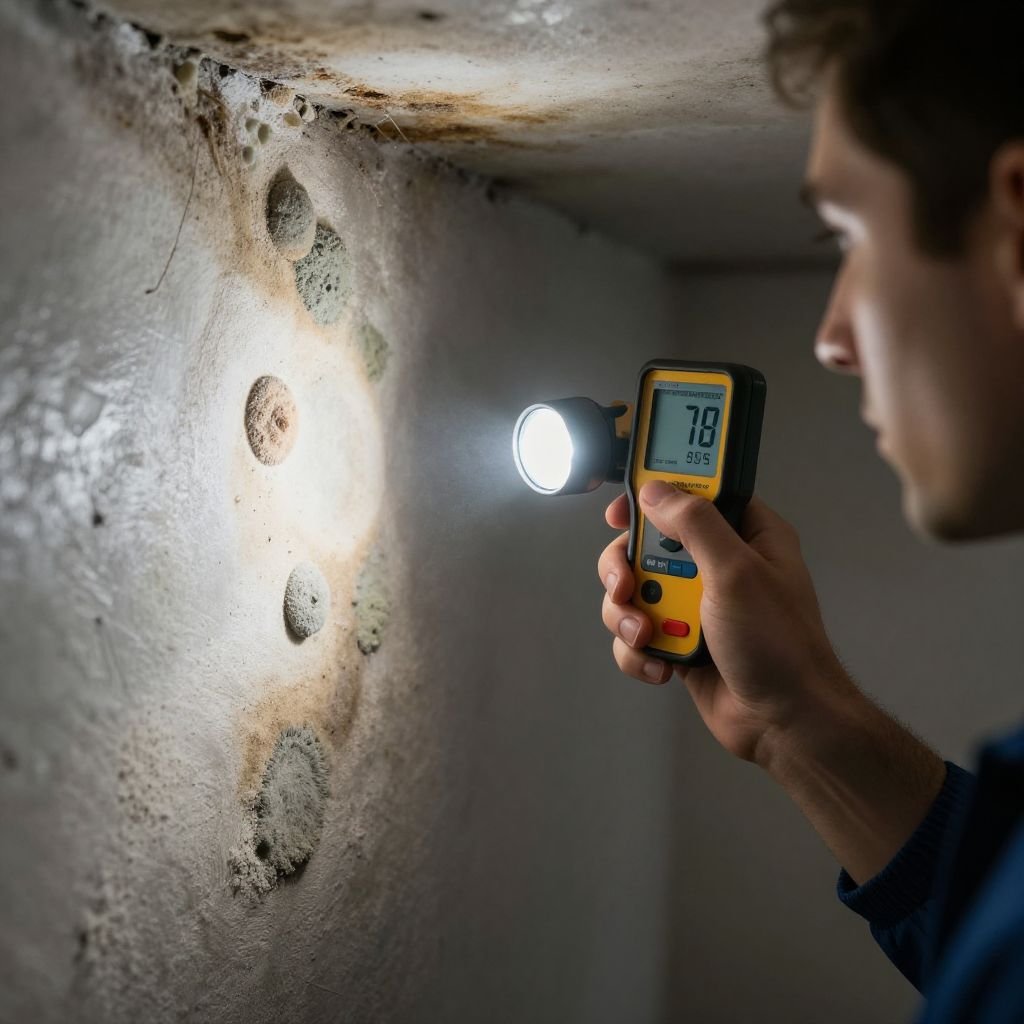
Request a detailed scope of work in writing. Reputable Englewood contractors perform thorough inspections using moisture meters and thermal imaging, not visual guesses. They should explain containment strategies, air filtration methods, and post-remediation verification testing. Be wary of anyone offering instant quotes over the phone without site assessment.
What to Expect from Mold Remediation Services in Englewood
The mold remediation process follows established protocols adapted to your property's specific conditions. Understanding these steps helps set realistic expectations for timeline and disruption.
Inspection and Assessment
A certified technician examines affected areas, identifies moisture sources, and collects air or surface samples when necessary. In Englewood, common culprits include foundation seepage after spring snowmelt, bathroom exhaust fan failures, and HVAC condensation issues. This phase typically takes 1-3 hours for residential properties.
Containment and Air Filtration
Before removal begins, technicians establish physical barriers using polyethylene sheeting and create negative air pressure with HEPA-filtered equipment. This prevents mold spores from migrating to unaffected areas of your Englewood home during disturbance.
Removal and Cleaning
Porous materials with heavy contamination—drywall, insulation, carpet padding—are removed and bagged for proper disposal. Non-porous surfaces undergo HEPA vacuuming and antimicrobial treatment. The extent of demolition depends on damage severity and mold species involved.
Drying and Restoration
Industrial dehumidifiers and air movers eliminate residual moisture. Once verified dry, reconstruction begins. Many Englewood properties require 3-7 days for complete remediation, though complex cases involving hidden mold may extend longer.
Available Mold Remediation Services
Englewood residents can access comprehensive mold solutions tailored to residential and light commercial properties throughout Denver County:
- Emergency Mold Response — 24/7 availability for water damage events requiring immediate intervention to prevent secondary mold growth
- Basement and Crawl Space Remediation — Specialized treatment for below-grade areas common in Englewood's older neighborhoods
- Attic Mold Abatement — Addressing ventilation failures and roof leak consequences in both vintage and contemporary homes
- HVAC System Decontamination — Cleaning ductwork, coils, and air handlers that have distributed spores throughout living spaces
- Post-Remediation Verification — Third-party or independent clearance testing to confirm successful project completion
- Moisture Control Solutions — Installing sump pumps, vapor barriers, and improved ventilation to prevent recurrence
Many providers also coordinate directly with insurance carriers, documenting damage for claims related to sudden water damage. Note that policies typically exclude mold resulting from long-term maintenance neglect, making prompt action essential when leaks or flooding occur.
Frequently Asked Questions
How quickly can mold grow after water damage in Englewood?
Mold colonies can establish within 24-48 hours of moisture intrusion. Englewood's arid climate helps somewhat, but indoor humidity from leaks or condensation accelerates growth regardless of outdoor conditions. Immediate water extraction and drying are critical.
Is mold testing always necessary before remediation?
Not always. Visible mold with an identifiable moisture source often proceeds directly to remediation. Testing becomes valuable when health concerns exist, contamination boundaries are unclear, or litigation/insurance documentation requires species identification.
Can I perform mold removal myself in my Englewood home?
DIY approaches suit very small areas (under 10 square feet) of surface mold on non-porous materials. Larger infestations, hidden mold, or HVAC contamination require professional handling to protect health and prevent cross-contamination. Colorado does not mandate professional remediation for residential properties, but improper DIY work often worsens problems.
What health symptoms indicate possible mold exposure?
Reactions vary by individual sensitivity and mold type. Common indicators include persistent coughing, nasal congestion, throat irritation, wheezing, skin rashes, and eye redness. Those with asthma, allergies, or compromised immune systems experience more severe responses. Consult healthcare providers for symptom evaluation.
How do I prevent mold from returning after remediation?
Successful prevention requires eliminating moisture sources: repair plumbing leaks promptly, maintain indoor humidity below 60% (ideally 30-50%), ensure bathroom and kitchen exhaust fans vent outdoors, clean gutters regularly, and address foundation grading issues that direct water toward your Englewood home.