

Common Mold Remediation Problems in Sheridan
Sheridan homeowners face distinct mold challenges tied to the city's location in Denver County's South Platte River valley. The area's clay-heavy soils and historical floodplain proximity create persistent moisture issues that fuel mold growth in crawl spaces, basements, and foundation walls. Many residences here date to the mid-20th century, with aging plumbing systems and inadequate vapor barriers that compound humidity problems.
Seasonal temperature swings across the Front Range cause condensation buildup inside wall cavities, particularly during spring snowmelts and summer thunderstorm cycles. Properties near the river corridor experience higher water tables, leading to capillary moisture wicking through concrete slabs. Musty odors, visible black or green staining, and worsening allergy symptoms often signal hidden colonization behind drywall or beneath flooring—a scenario Sheridan residents encounter repeatedly as older housing stock deteriorates.
How We Help Sheridan Homeowners
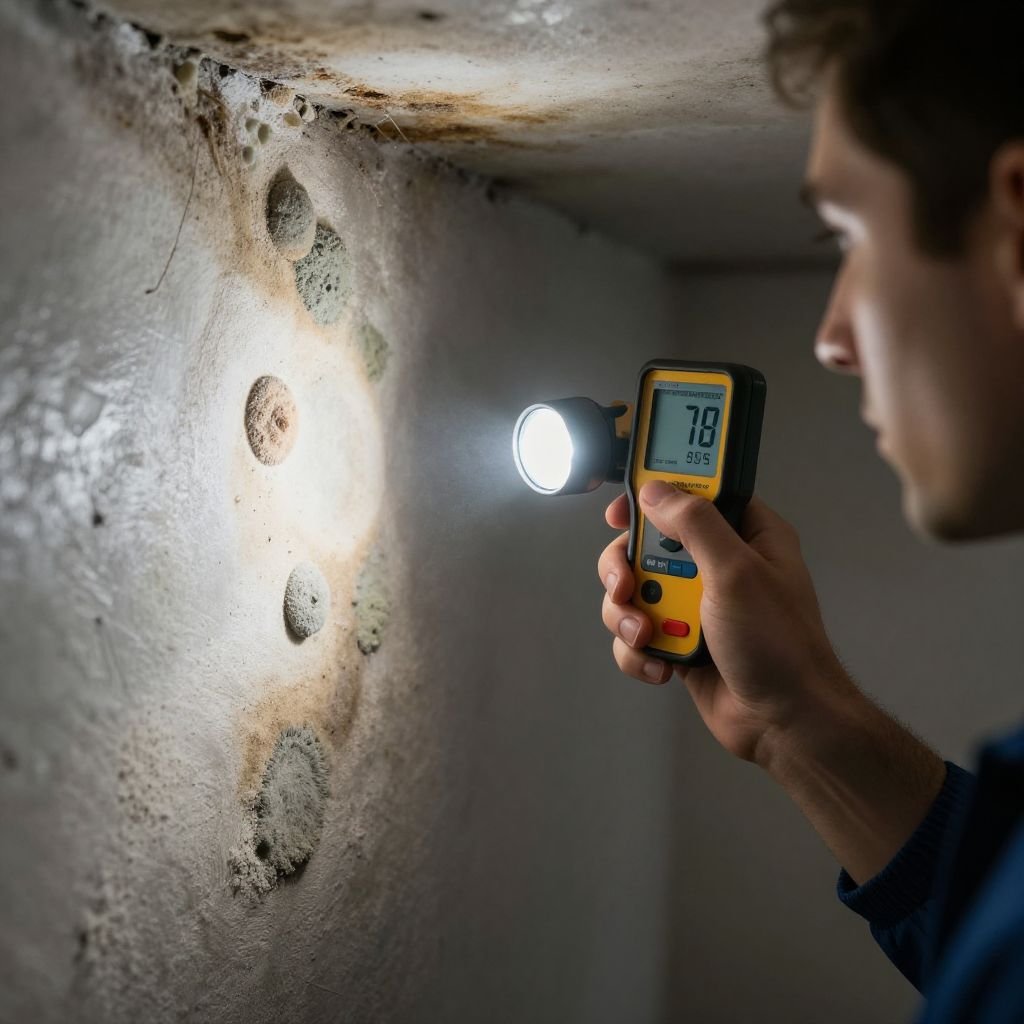
Our remediation process begins with moisture mapping and air quality assessment to locate active growth zones, not merely treat visible spots. For Sheridan's vintage homes, we prioritize containment strategies that protect original plaster, hardwood, and architectural features while eliminating mold at its source.
We coordinate directly with Denver County permitting offices when structural repairs follow remediation, ensuring code compliance for any reconstruction. Our crews understand Sheridan's specific soil conditions and implement drainage improvements, sump pump installations, and dehumidification systems calibrated for Colorado's arid climate paired with localized moisture pockets. Documentation for insurance claims and property records accompanies every completed project.
Mold Remediation Services Available in Sheridan
- Inspection and Testing: Air sampling, surface analysis, and moisture detection using thermal imaging to identify hidden colonies in Sheridan's older construction.
- Containment and Removal: HEPA-filtered negative air pressure systems isolating affected zones before physical remediation of contaminated materials.
- Crawl Space and Basement Treatment: Specialized protocols for below-grade spaces common in river-adjacent Sheridan properties, including vapor barrier installation and structural drying.
- HVAC Decontamination: Duct cleaning and sanitization preventing spore redistribution through forced-air systems.
- Post-Remediation Verification: Third-party clearance testing confirming airborne spore counts return to normal levels before reconstruction begins.
- Preventative Moisture Control: Sump pump backup systems, French drains, and humidity monitoring tailored to Sheridan's flood-risk geography.
Mold Remediation Pricing in the Sheridan Area
Remediation costs in Sheridan reflect Denver County's competitive contractor market while accounting for accessibility challenges in older homes. Small, contained projects—single-room surface treatment with minimal material removal—typically range from $1,200 to $3,500. Moderate infestations involving crawl spaces, partial drywall replacement, and HVAC cleaning generally fall between $3,500 and $8,000.
Extensive colonization requiring whole-basement gutting, structural timber treatment, and comprehensive moisture mitigation can exceed $10,000, particularly when historical preservation requirements apply. We provide itemized estimates after initial assessment, with no obligation. Most homeowner policies cover sudden water damage and resulting mold, though gradual leakage exclusions may apply—our team assists with documentation to maximize claim validity.
Frequently Asked Questions
How quickly should I address mold after discovering it in my Sheridan home?
Within 24 to 48 hours. Mold colonies expand rapidly in Colorado's variable humidity, and delay increases remediation scope and cost substantially. Immediate containment prevents spore dispersal to unaffected areas.
Is mold testing required before remediation in Denver County?
Testing isn't legally mandated, but recommended for accurate scope definition. We use independent laboratories to identify species and concentration levels, informing treatment protocols and insurance documentation.
Can I stay in my home during mold remediation?
For localized projects, often yes. Whole-house or toxic species remediation may require temporary relocation. We establish sealed containment zones and air scrubbers to minimize disruption and exposure risk.