

Common Mold Remediation Problems in Doylestown
Homes and businesses throughout Doylestown face distinct mold challenges tied to southeastern Pennsylvania's climate and the area's mix of historic and newer construction. The borough and surrounding Bucks County townships experience humid summers, freeze-thaw cycles, and significant rainfall that create ideal conditions for moisture intrusion and mold growth.
Older stone farmhouses and Victorian-era properties common in Doylestown borough often have porous foundations, aging mortar, and inadequate vapor barriers. These characteristics allow groundwater seepage during spring rains and snowmelt, particularly in basements and crawl spaces. Newer subdivisions in Warwick, Warrington, and Buckingham townships encounter different issues—tight building envelopes with insufficient ventilation trap humidity from daily activities, while construction defects around windows, roofs, and HVAC systems introduce hidden moisture.
Seasonal flooding along Neshaminy Creek and its tributaries affects low-lying properties, leaving behind saturated drywall, insulation, and framing that must be properly dried within 24-48 hours to prevent mold colonization. Many Doylestown homeowners also discover mold behind bathroom tile, beneath kitchen sinks, and within attic spaces where bathroom exhaust vents terminate improperly or roof ventilation is insufficient.
Commercial buildings near State Street and the historic district face their own pressures: flat roof designs on converted structures, aging plumbing in multi-story buildings, and the disruption that visible mold causes for retail, restaurant, and professional service tenants.
How We Help Doylestown Homeowners
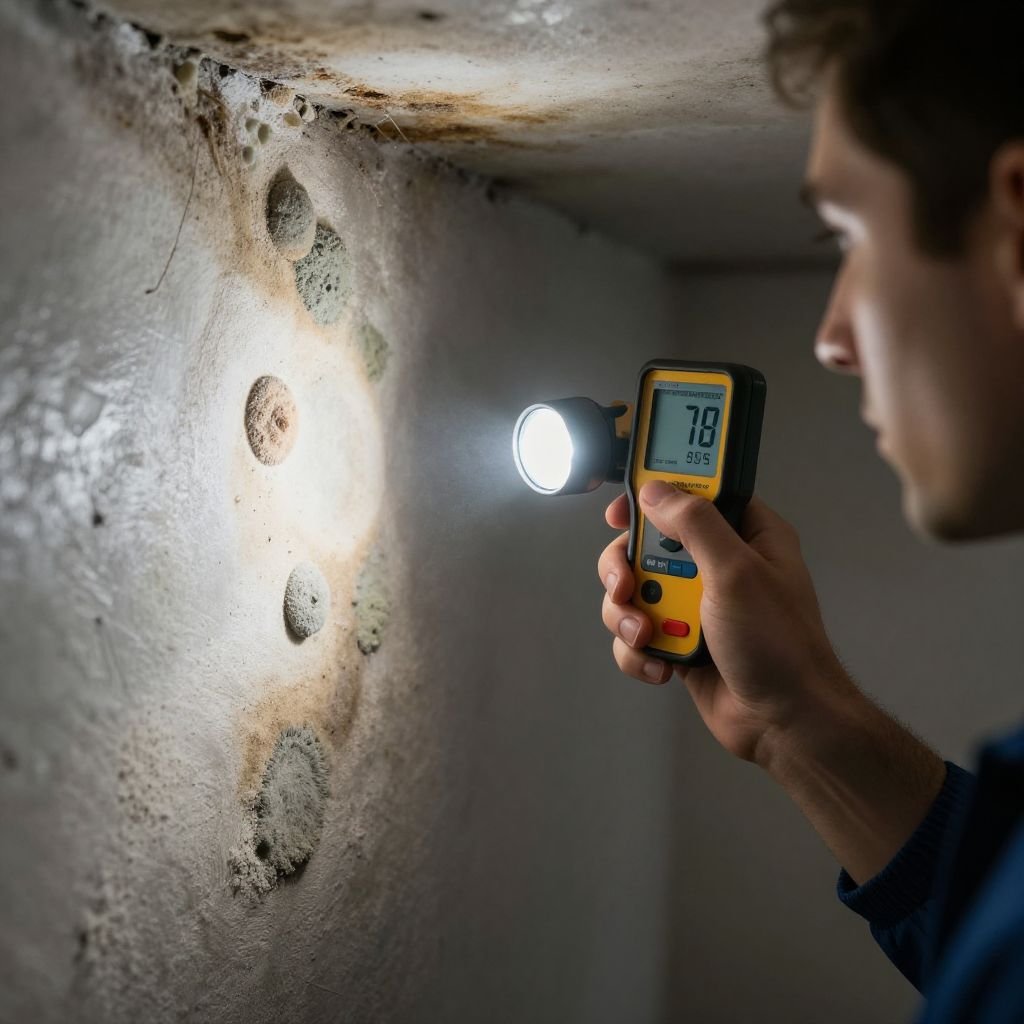
Our approach begins with thorough moisture mapping and air quality assessment, not surface-level cleaning that ignores root causes. We identify where water enters, how it travels through building assemblies, and why conditions favor mold proliferation in your specific Doylestown property.
Containment protocols protect unaffected areas during remediation. Negative air pressure systems, physical barriers, and HEPA filtration prevent cross-contamination—particularly critical in occupied homes and businesses where residents or employees remain during partial restoration.
We coordinate directly with your insurance carrier when coverage applies, documenting conditions with photography, moisture readings, and laboratory analysis where appropriate. For historic properties in Doylestown's designated districts, we select restoration methods that preserve original materials when salvageable and comply with any applicable preservation guidelines.
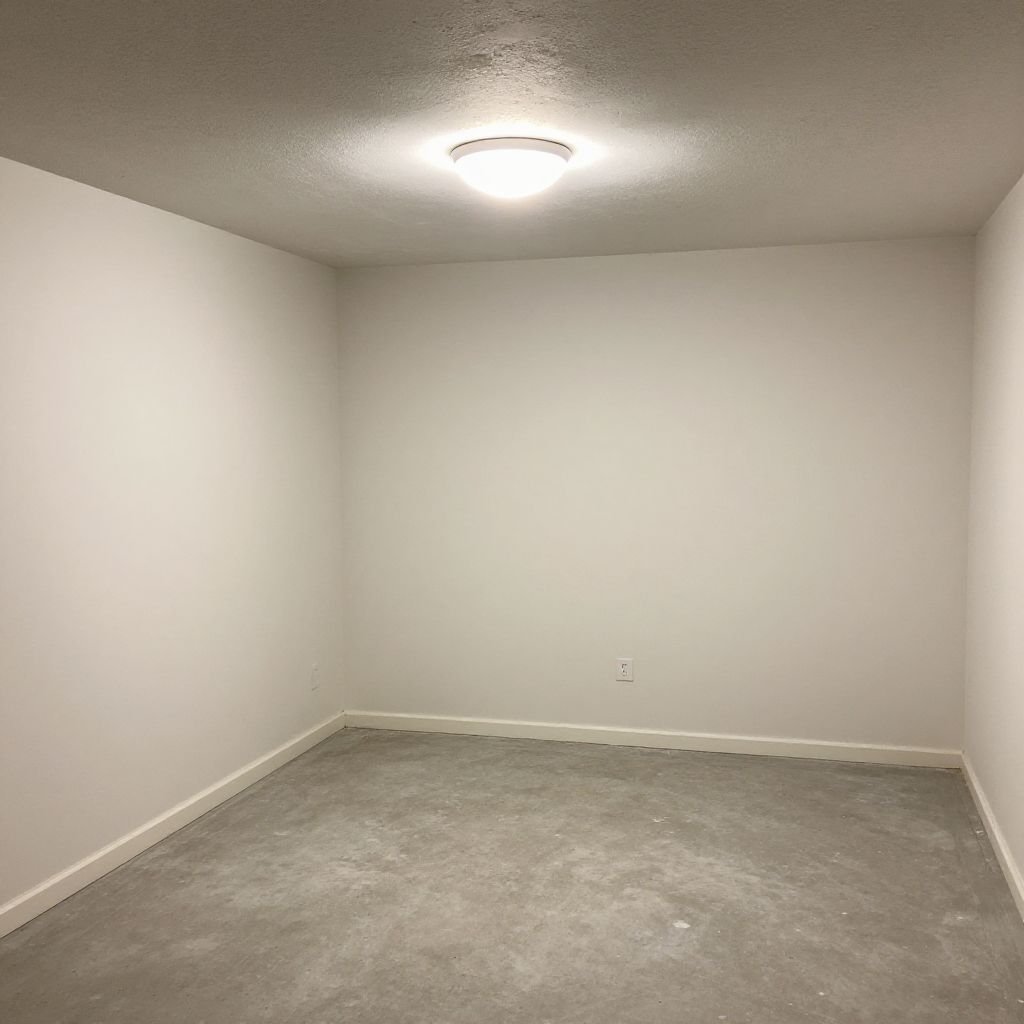
Post-remediation verification includes third-party clearance testing upon request, giving property owners documented confirmation that indoor mold levels have returned to normal fungal ecology appropriate for the region.
Mold Remediation Services Available in Doylestown
- Basement and crawl space mold remediation — Foundation seepage, groundwater intrusion, and condensation control
- Attic mold treatment — Roof leak damage, ventilation corrections, and insulation replacement
- Bathroom and kitchen mold removal — Grout failure, plumbing leaks, and exhaust system improvements
- Whole-house mold abatement — Systematic remediation following flooding or prolonged moisture exposure
- Commercial mold remediation — Office, retail, restaurant, and hospitality properties with minimal business disruption
- HVAC and duct cleaning — Mold contamination within forced-air systems and mechanical rooms
- Water damage restoration — Emergency extraction, structural drying, and mold prevention protocols
- Preventive moisture control — Dehumidification strategies, vapor barrier installation, and drainage improvements
Mold Remediation Pricing in the Doylestown Area
Remediation costs in Doylestown and Bucks County depend on contamination extent, affected materials, accessibility, and whether underlying moisture issues require concurrent correction. Minor, localized mold growth—perhaps a single bathroom or small closet area—typically ranges from $1,200 to $3,500 when addressed promptly and the moisture source is straightforward to eliminate.
Moderate projects involving multiple rooms, finished basement areas, or attic spaces with sheathing damage generally fall between $3,500 and $8,000. These scenarios often require removal of drywall or flooring, treatment of structural components, and installation of improved ventilation or moisture barriers.
Extensive contamination throughout a property, or situations involving Category 3 water damage and prolonged undetected mold growth, may exceed $10,000. Historic properties with plaster and lath construction, specialty finishes, or limited access can add complexity to estimates.
We provide written, itemized proposals before work begins. Homeowners insurance may cover remediation when mold results from a covered peril—sudden pipe rupture, storm damage, or appliance failure—though long-term maintenance issues and flood damage typically require separate flood insurance or out-of-pocket payment.
Frequently Asked Questions
How quickly should I address mold after discovering it in my Doylestown home?
Contact a remediation professional within 24-48 hours. Mold spreads actively in moist conditions, and delays increase both contamination extent and remediation costs. Even small visible patches often indicate larger hidden growth within wall cavities or building materials.
Is mold common in Doylestown's historic homes?
Yes. Stone foundations, lime-based mortars, original plaster, and aging infrastructure in borough historic district properties create unique moisture dynamics. These materials require specialized remediation approaches that preserve architectural integrity while achieving safe mold levels.
Will mold return after professional remediation?
Recurrence is preventable when underlying moisture causes are resolved. We identify and correct ventilation deficiencies, plumbing leaks, drainage problems, and humidity sources. Without this step, mold will likely return regardless of how thoroughly visible growth was removed.
Do you work with insurance companies for Doylestown properties?
We document damage comprehensively, provide detailed scope of work proposals, and communicate directly with adjusters. Coverage varies by policy and cause of loss; we help you understand what documentation your carrier requires and advocate for appropriate restoration scope.
Can I stay in my home during mold remediation?
For localized, contained projects, residents often remain with temporary isolation of work zones. Extensive whole-house remediation, or situations involving toxic mold species, may require temporary relocation. We discuss occupancy decisions based on project scope and individual health sensitivities before work begins.