

How to Choose a Mold Remediation Professional in Chambersburg
Chambersburg sits in the Cumberland Valley, where humid summers and wet spring seasons create ideal conditions for mold growth in basements, crawl spaces, and older homes throughout Franklin County. When you're facing a mold problem, selecting the right remediation company requires careful consideration of several factors specific to this region.
First, verify that any contractor holds Pennsylvania state certification for mold remediation. The Pennsylvania Department of Labor & Industry requires specific licensing, and reputable professionals serving Chambersburg should readily provide this documentation. Ask about their experience with the area's common housing stock—Victorian homes in the historic district, mid-century ranchers in developing neighborhoods, and farmhouses in the surrounding townships each present unique mold challenges.
Local knowledge matters significantly. A remediation professional familiar with Chambersburg understands how the town's clay-heavy soils contribute to foundation moisture, how the Conococheague Creek watershed affects groundwater, and which neighborhoods built before 1970 are more likely to have inadequate vapor barriers. They should also explain their containment protocols, particularly important in Franklin County's tightly constructed newer homes where HVAC systems can rapidly spread spores.
Request references from recent jobs within 15 miles of Chambersburg. Contractors who regularly work in Greencastle, Fayetteville, and Mercersburg will understand regional pricing, common insurance company requirements, and the typical turnaround times for third-party post-remediation verification that many Franklin County insurers now require.
What to Expect from Mold Remediation Services in Chambersburg
Professional mold remediation follows a structured process designed to eliminate active growth and address the moisture source fueling it. Understanding this sequence helps Chambersburg property owners prepare appropriately and evaluate whether a contractor's proposal covers necessary steps.
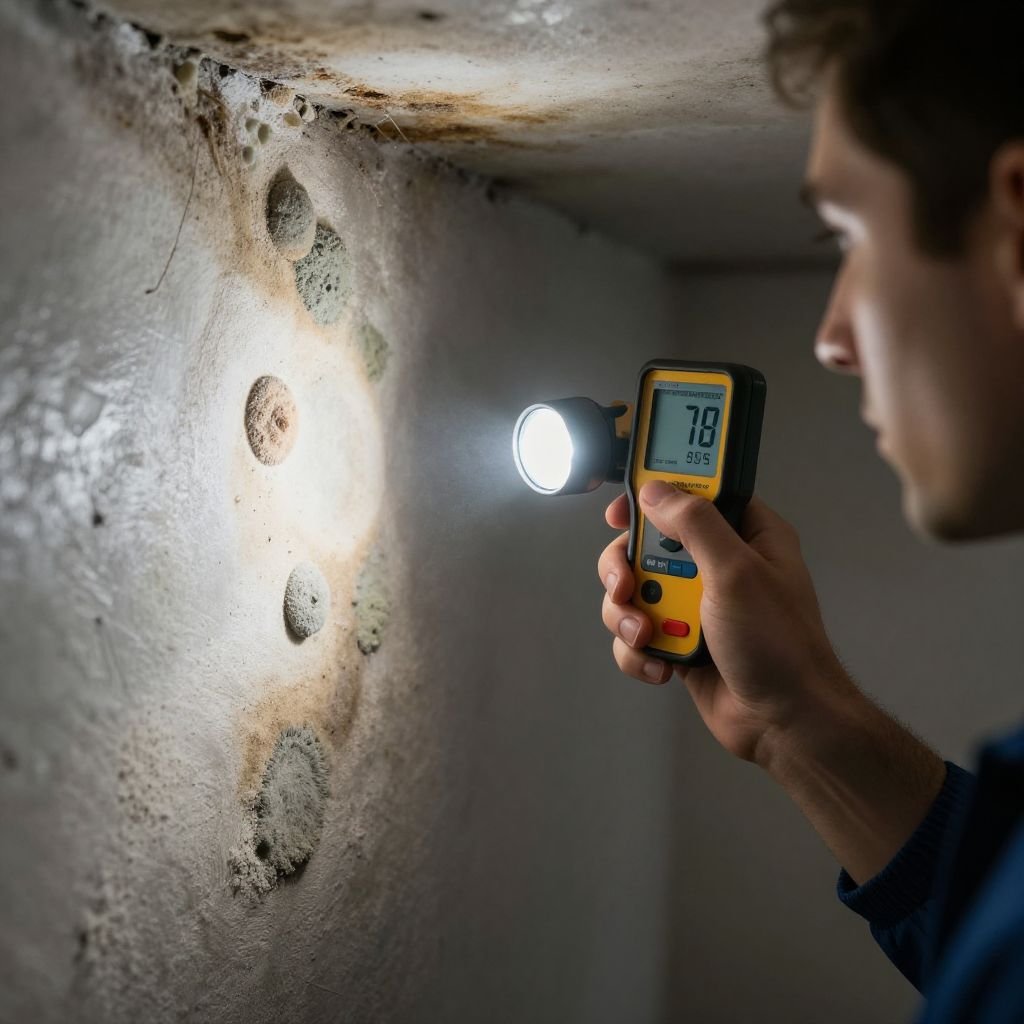
The process begins with a comprehensive assessment. Technicians inspect visible growth, use moisture meters to map affected areas, and may collect air or surface samples for laboratory analysis. In Chambersburg's older commercial buildings along Lincoln Way East or residential properties near South Main Street, this phase often reveals hidden colonies behind plaster walls or above drop ceilings that property owners hadn't detected.
Containment comes next. Remediation teams seal affected zones with polyethylene sheeting and establish negative air pressure using HEPA filtration devices. This prevents spore dispersal during removal—critical in connected row houses common near the courthouse square or in multi-unit buildings. Workers then remove contaminated materials: drywall, insulation, carpeting, or in severe cases, structural elements. Non-porous surfaces undergo agitation cleaning with antimicrobial solutions.
The drying phase addresses Franklin County's persistent humidity challenges. Industrial dehumidifiers and air movers run continuously, with moisture levels monitored until readings stabilize within acceptable ranges. Reputable Chambersburg contractors won't rush this stage, as incomplete drying guarantees mold recurrence within weeks.
Final verification includes visual inspection, moisture readings, and often third-party air quality testing. Reconstruction of removed materials follows, with many companies offering or coordinating with local builders to restore finished spaces.
Available Mold Remediation Services
Chambersburg property owners can access several specialized service categories depending on their situation's scope and complexity.
Residential Mold Remediation encompasses basement and crawl space treatment, attic mold removal, whole-house interventions for water-damage events, and targeted bathroom or kitchen remediation. Many Franklin County homeowners need seasonal services following spring flooding or summer humidity spikes.
Commercial Mold Remediation serves Chambersburg's business community, from retail spaces in the Chambersburg Mall area to manufacturing facilities, office buildings, and hospitality properties. These projects require minimized business interruption and compliance with stricter documentation standards.
Emergency Water Damage Response provides 24-hour extraction and drying services following burst pipes, appliance failures, or storm damage. Rapid response within 24-48 hours often prevents mold colonization entirely.
Preventative Services include crawl space encapsulation, vapor barrier installation, dehumidification system design, and moisture management consultations—particularly valuable for properties in Chambersburg's low-lying areas near Falling Spring or the Conococheague Creek.
Post-Remediation Verification offers independent clearance testing for property owners, landlords, or buyers seeking documented confirmation that remediation succeeded.
Frequently Asked Questions About Mold Remediation in Chambersburg
How long does mold remediation typically take in Chambersburg homes?
Most residential projects in the Chambersburg area require 3–7 days from containment setup to final clearance. Larger commercial properties or cases involving extensive structural damage may extend to two weeks. Timeline factors include the affected square footage, material types requiring removal, and how quickly the drying phase achieves stable moisture levels in Franklin County's variable humidity.
Will my homeowner's insurance cover mold remediation in Franklin County?
Coverage varies significantly by policy and cause. Insurance typically covers mold remediation when it's a direct result of a covered peril—sudden pipe ruptures, storm damage, or appliance failures. Long-term maintenance issues like persistent leaks or inadequate ventilation usually aren't covered. Chambersburg property owners should document damage promptly and request a detailed assessment report from their remediation contractor to support claims.
How can I tell if mold is hidden in my Chambersburg property?
Musty odors without visible growth, unexplained allergic symptoms that improve when you leave the building, warped flooring, or persistent condensation suggest hidden mold. In Chambersburg's older homes, pay attention to areas near foundation cracks, around window casings, and behind appliances. Professional moisture mapping and infrared inspection can locate concealed colonies without unnecessary demolition.