

How to Choose a Mold Remediation Professional in Gettysburg
Finding the right mold remediation professional in Gettysburg requires understanding the unique challenges of Adams County properties. Historic homes near the battlefield, farmhouses in the surrounding countryside, and newer developments each present distinct mold risks that demand specialized expertise.
Start by verifying proper certifications. Pennsylvania does not require a specific mold remediation license, so look for technicians with IICRC certification in Applied Microbial Remediation (AMRT) and Water Damage Restoration (WRT). These credentials indicate training in containment procedures, air quality management, and safe removal protocols essential for protecting your family's health.
Local experience matters significantly in this region. Gettysburg's climate brings humid summers and wet springs that drive moisture into basements, crawl spaces, and aging foundations. A professional familiar with Adams County soil conditions and typical building construction from the 18th through 21st centuries can identify hidden moisture pathways that out-of-area contractors might overlook.
Request proof of comprehensive insurance including pollution liability coverage. Mold remediation involves disturbing spores that can spread if improperly contained. Verify the company carries adequate coverage for both workers and your property. Ask for local references from recent projects in neighborhoods like Steinwehr Avenue, the borough's north side, or rural properties along Route 15.
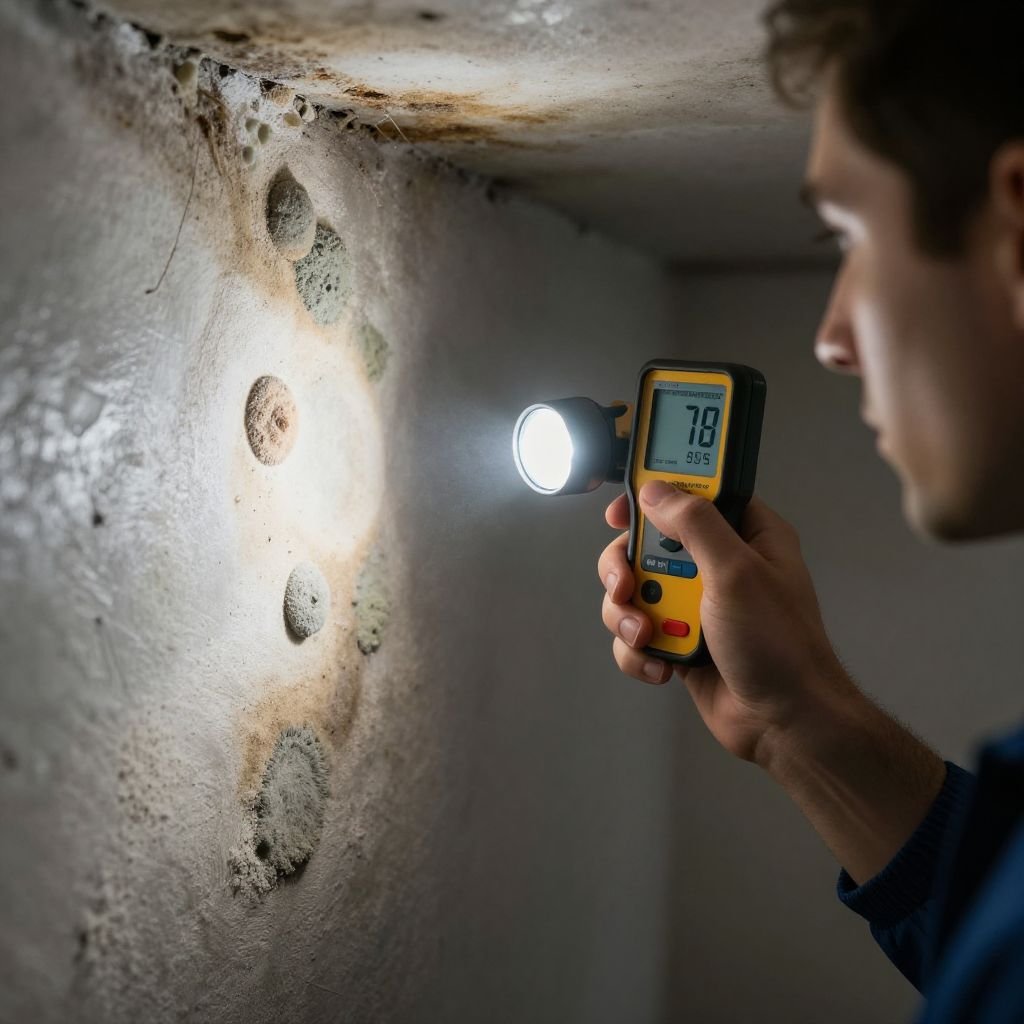
Evaluate their assessment approach carefully. Reputable professionals conduct thorough moisture mapping rather than relying solely on visible mold. They should use thermal imaging and humidity meters to trace water sources behind walls and beneath flooring—critical for preventing recurrence in Gettysburg's older homes with stone foundations and plaster construction.
What to Expect from Mold Remediation Services in Gettysburg
The remediation process follows established protocols adapted to your specific property conditions. Understanding these steps helps you prepare and evaluate service quality throughout the project.
Initial inspection and testing. Technicians begin with a comprehensive assessment documenting moisture levels, visible growth, and potential hidden contamination. Air and surface samples may be sent to independent laboratories for species identification. This phase typically takes two to four hours for residential properties and establishes the scope of work and containment strategy.
Containment establishment. Before removal begins, workers seal affected areas with polyethylene sheeting and create negative air pressure using HEPA-filtered equipment. This prevents spore migration to unaffected portions of your Gettysburg home—particularly important in historic properties with interconnected ductwork and drafty construction.
Removal and cleaning. Porous materials with heavy contamination such as drywall, insulation, and carpeting require removal and proper disposal per Pennsylvania waste regulations. Non-porous surfaces undergo HEPA vacuuming and antimicrobial treatment. The duration varies from one day for limited bathroom mold to several weeks for widespread basement or crawl space contamination.
Drying and dehumidification. Addressing moisture sources proves essential for lasting results. Technicians deploy commercial dehumidifiers and air movers to achieve optimal drying, then verify moisture content with calibrated meters before proceeding to restoration.
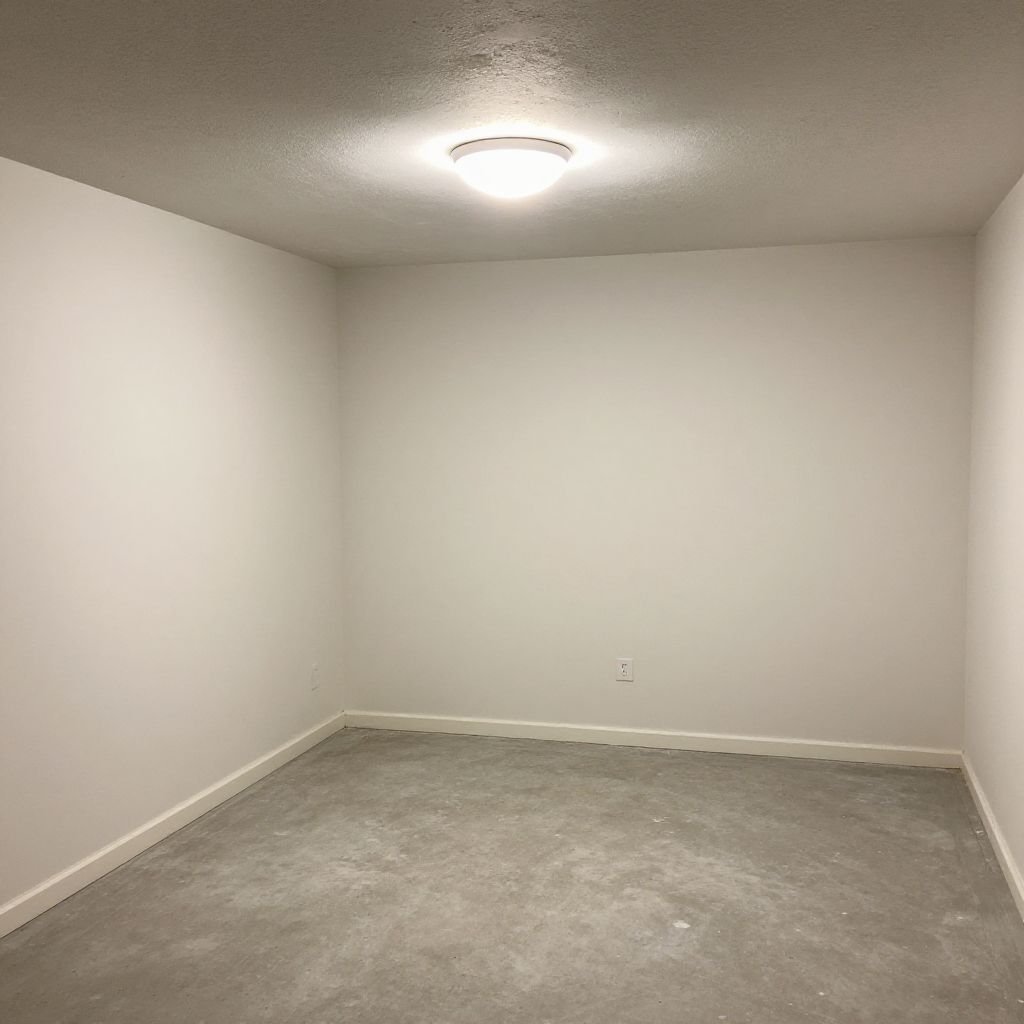
Post-remediation verification. Quality providers conduct final air sampling and visual inspection to confirm successful remediation. You receive documentation including moisture readings, photographs, and laboratory results for your records and potential real estate transactions.
Available Mold Remediation Services
Gettysburg residents can access comprehensive solutions addressing diverse contamination scenarios common throughout Adams County.
Basement and crawl space remediation. These below-grade areas suffer frequent water intrusion from high water tables, foundation seepage, and inadequate ventilation. Services include vapor barrier installation, sump pump integration, structural drying, and mold elimination from joists, sill plates, and block walls.
Attic mold removal. Poor ventilation and roof leaks create ideal conditions in Gettysburg's varied housing stock. Professionals address sheathing and rafter contamination while improving airflow through proper soffit and ridge vent configuration.
HVAC and duct cleaning. Forced-air systems can distribute spores throughout living spaces. Specialized cleaning removes contamination from ductwork, coils, and blower components, often combined with whole-house dehumidification recommendations.
Emergency water damage response. Rapid intervention within 24-48 hours of flooding or pipe ruptures prevents mold establishment. Available around the clock for burst pipes, appliance failures, and storm damage throughout the Gettysburg area.
Post-restoration reconstruction. Full-service providers coordinate rebuilding after remediation, replacing drywall, flooring, trim, and insulation to return your property to pre-loss condition without managing multiple contractors.
Frequently Asked Questions
How quickly can mold grow after water damage in a Gettysburg home?
Mold can begin developing within 24 to 48 hours of moisture exposure. Gettysburg's humid summer conditions accelerate growth, making rapid water extraction and drying essential for prevention.
Will my homeowner's insurance cover mold remediation?
Coverage depends on your policy and the moisture source. Sudden, accidental water damage like pipe bursts typically qualifies, while long-term maintenance issues and flooding usually do not. Document everything and contact your adjuster promptly.
Is mold in my basement dangerous if I don't go down there often?
Yes. Spores travel through HVAC systems, wall cavities, and natural air movement throughout your home. Some species produce mycotoxins, and elevated indoor spore counts can trigger respiratory issues regardless of which room contains the active growth.
Can I clean mold myself with bleach?
DIY approaches often worsen problems. Bleach cannot penetrate porous materials to kill root structures, and disturbing visible growth releases additional spores. Professional containment, HEPA filtration, and proper removal techniques protect occupant health and prevent recurrence.
How long does professional mold remediation typically take?
Small, contained projects finish in one to three days. Extensive basement or whole-house remediation requiring reconstruction may extend to two weeks. Your contractor should provide a detailed timeline during the initial assessment based on contamination extent and structural complexity.