
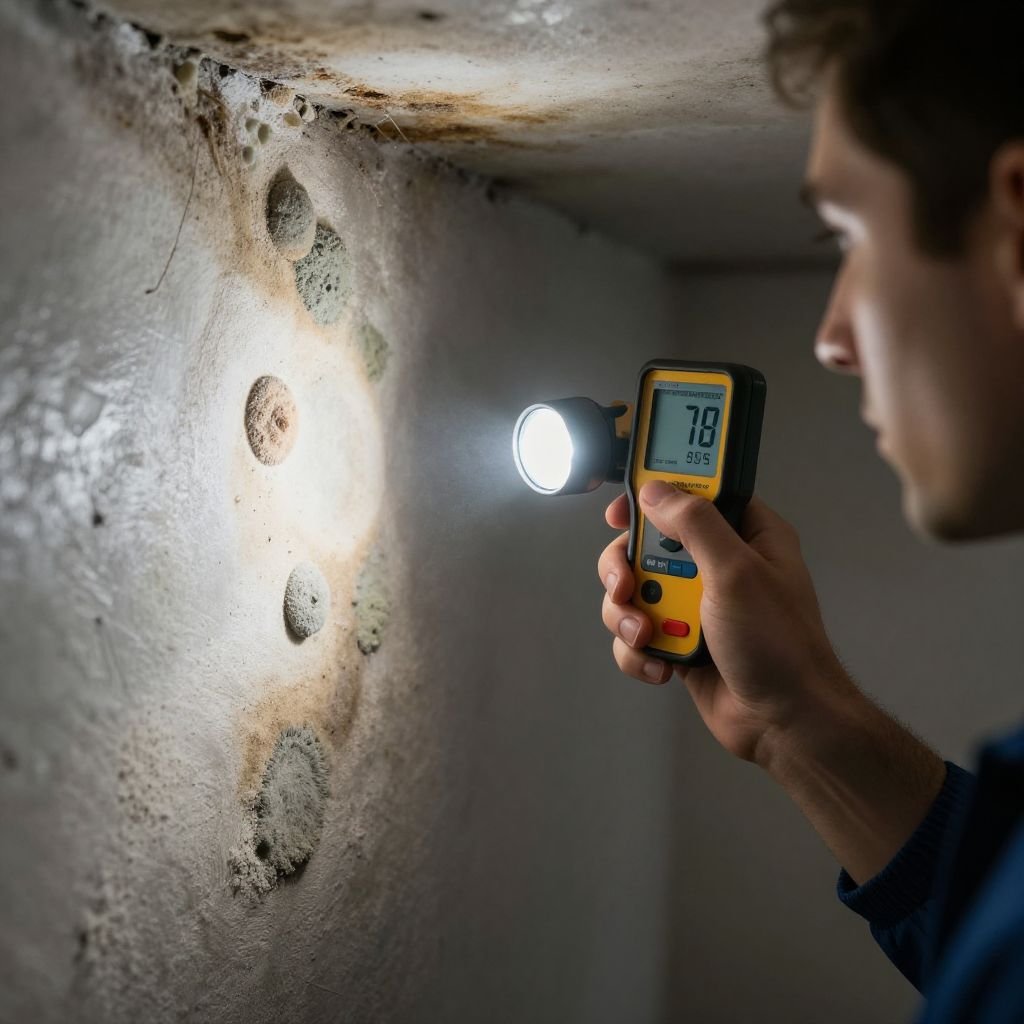

Professional Mold Remediation in District of Columbia
District of Columbia homeowners face unique mold challenges due to the region's humid subtropical climate, aging housing stock, and proximity to the Potomac and Anacostia Rivers. With average summer humidity exceeding 70% and frequent summer storms, mold growth can develop rapidly in basements, crawl spaces, attics, and behind walls throughout DC's diverse neighborhoods—from historic Capitol Hill rowhouses to modern condos in Navy Yard.
Mold isn't just unsightly; it poses serious health risks including respiratory issues, allergic reactions, and aggravated asthma symptoms. In a dense urban environment like Washington DC, where many residents live in multi-unit buildings, mold problems can spread between units and create complex liability situations. Whether you're dealing with visible black mold, musty odors, or moisture issues from flooding in areas near Rock Creek Park, professional mold remediation is essential for protecting your property and your family's health.
This is a free 24/7 service connecting District of Columbia residents with certified, experienced mold remediation specialists. We understand DC's specific building codes, Department of Energy and Environment (DOEE) regulations, and the unique architectural challenges of historic district properties. Our network includes professionals familiar with HEPA containment protocols necessary for working in tight urban spaces and multi-family dwellings common throughout the District.
Seasonal Mold Remediation Tips for District of Columbia
Washington DC's four distinct seasons each present different mold risks that homeowners should address proactively.
Spring (March–May): As temperatures rise and April showers arrive, melting snow combined with rainfall creates saturated soil conditions. Check your foundation for seepage, especially in older basement properties common in Georgetown and Dupont Circle. Ensure sump pumps are functioning before peak storm season.
Summer (June–August): Peak humidity season demands vigilant air conditioning maintenance. Set indoor humidity below 60% with dehumidifiers in basements and poorly ventilated areas. After the intense thunderstorms typical of DC summers, inspect window sills, attic spaces, and anywhere water intrusion occurred. The combination of 90°F+ temperatures and high humidity creates ideal mold proliferation conditions within 24-48 hours.
Fall (September–November): Hurricane remnants and tropical storms frequently track up the Atlantic coast, bringing heavy rainfall to the District. Clear gutters and downspouts of fallen leaves—critical in tree-heavy neighborhoods like Cleveland Park and Shepherd Park. Schedule pre-winter HVAC inspections to ensure heating systems won't circulate mold spores when windows close for cold weather.
Winter (December–February): While mold growth slows in cold temperatures, ice dams on DC's varied rooflines can cause significant interior water damage. Monitor attic spaces for condensation from temperature differentials. The District's frequent freeze-thaw cycles can crack foundations, creating new moisture entry points when spring arrives.
How to Choose a Licensed Mold Remediation Pro in District of Columbia
Selecting qualified mold remediation services in the District requires understanding local regulatory requirements and industry certifications specific to this unique jurisdiction.
Verify DC-Specific Licensing: Unlike surrounding states, the District of Columbia requires mold assessment and remediation contractors to hold specific licenses through the DC Department of Consumer and Regulatory Affairs (DCRA). Confirm your contractor carries the proper Mold Remediation Service Provider license. Be wary of Virginia or Maryland companies operating in DC without proper District credentials.
Demand Independent Assessment Protocols: Ethical mold remediation follows DC's separation requirements between assessment and remediation phases. A reputable contractor will recommend or accept third-party mold testing rather than conducting their own pre-remediation sampling—eliminating conflict of interest in scope determination.
Confirm Insurance and Bonding: Given DC's high property values and density, verify general liability coverage, pollution-specific mold liability insurance, and workers' compensation. Contractors should carry minimum $1 million liability policies appropriate for working in multi-million dollar historic properties.
Evaluate Containment Expertise: Urban mold remediation demands sophisticated negative-air containment systems. Ask about HEPA filtration, air scrubber deployment, and protocols preventing cross-contamination in attached housing common throughout DC. Specialists should explain how they'll protect adjacent units during multi-family building projects.
Request Post-Remediation Verification: Legitimate professionals welcome independent clearance testing following remediation. This should include visual inspection, moisture mapping, and air/surface sampling confirming mold levels returned to normal fungal ecology—critical documentation for DC property disclosures and tenant-landlord disputes.
Our free 24/7 service pre-screens contractors for these qualifications, saving District of Columbia homeowners time while ensuring connections to properly credentialed, experienced professionals familiar with DC's regulatory environment.
Frequently Asked Questions
Does homeowners insurance cover mold remediation in Washington DC?
Coverage varies significantly by policy. Most standard DC homeowners policies exclude mold damage unless caused by a covered peril like sudden pipe bursts or storm damage. Slow leaks, humidity-related growth, and maintenance issues are typically excluded. Some insurers offer limited mold endorsements. Document everything immediately upon discovering mold, and consult your specific policy or a public adjuster. Our referred professionals can provide detailed documentation to support insurance claims.
How long does professional mold remediation take in a typical DC rowhouse?
Timeline depends on contamination extent and affected materials. Small, contained areas (under 10 square feet) may resolve in 1-2 days. Moderate basement or crawl space remediation in Capitol Hill or Adams Morgan rowhouses typically requires 3-5 days with proper containment and drying time. Extensive whole-house situations involving HVAC systems or behind multiple walls can extend to 1-2 weeks. Historic properties with plaster walls and limited ventilation may require additional time for controlled demolition and restoration.
Can I perform DIY mold removal in my DC condo or apartment?
DIY approaches are only appropriate for very small surface areas (less than 10 square feet) on non-porous materials using proper PPE. DC's multi-unit buildings present special concerns—disturbing mold can release spores affecting neighbors through shared ventilation. Additionally, DC regulations require licensed professionals for certain remediation scenarios, and landlords/condo associations often mandate professional handling for liability reasons. Rental properties must follow specific District housing code requirements. When in doubt, our free 24/7 service connects you with specialists who can evaluate whether professional intervention is necessary.
What distinguishes DC mold regulations from Maryland and Virginia?
The District maintains its own licensing structure through DCRA rather than adopting neighboring state programs. DC requires explicit mold remediation licenses, while Virginia regulates through general contractor frameworks and Maryland uses varying county approaches. DC's tenant protection laws are particularly stringent—landlords must address mold complaints within specific timeframes, and tenants have recourse through the Office of the Tenant Advocate. The District also has unique historic preservation requirements affecting remediation approaches in designated historic districts. Contractors must navigate these overlapping jurisdictions when working near DC borders.