
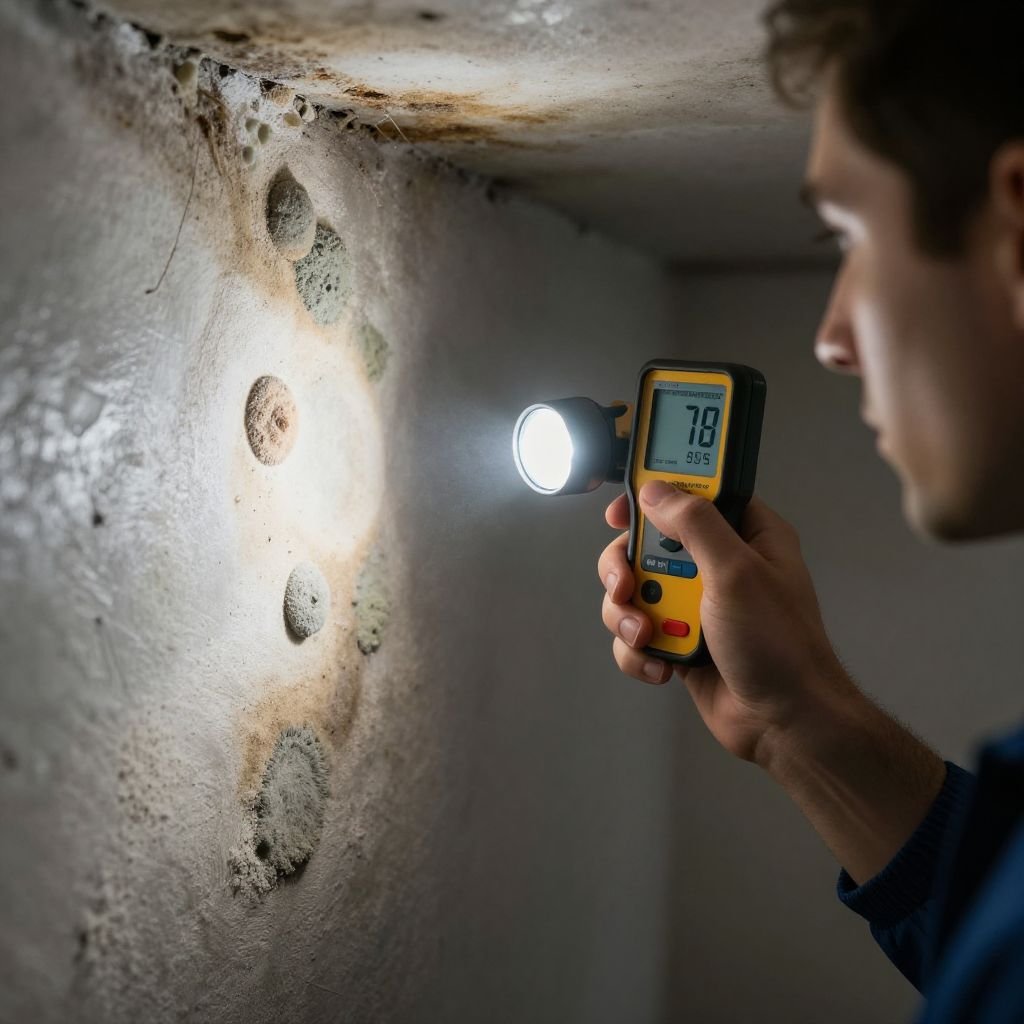

Discovering mold in your home or business can feel overwhelming. Beyond the musty odors and visible growth, you’re suddenly faced with urgent decisions about who to trust with your property’s safety and your family’s health. The mold remediation industry varies widely in quality, transparency, and expertise—making your choice of company one of the most consequential steps in resolving the problem completely. This guide will walk you through what to look for, what questions to ask, and how to avoid common pitfalls when selecting a professional you can depend on.
How to Choose a Mold Remediation Company With Confidence
Understanding how to choose a mold remediation company starts with recognizing that this service is about far more than scrubbing away visible spots. Proper remediation addresses the underlying moisture source, prevents cross-contamination, and ensures airborne spores don’t spread to unaffected areas. Begin your search by prioritizing companies that specialize specifically in mold remediation rather than general cleaning services that simply add mold to their menu. Specialization typically means deeper expertise, appropriate equipment, and technicians who understand the science of fungal growth and building science.
Look for certifications that demonstrate legitimate training. The Institute of Inspection, Cleaning and Restoration Certification (IICRC) offers the S520 Standard for Professional Mold Remediation, and technicians should hold current credentials. The National Organization of Remediators and Mold Inspectors (NORMI) and the American Council for Accredited Certification (ACAC) also provide respected industry certifications. Don’t hesitate to ask for license numbers and verify them independently with state or local authorities. A reputable company will welcome this scrutiny.
Equally important is proper insurance coverage. Mold remediation carries inherent risks—disturbing contaminated materials can release significant spore loads, and workers may encounter structural damage or electrical hazards. Confirm that any company you consider carries both general liability insurance and workers’ compensation coverage. Request certificates of insurance directly from their provider rather than accepting photocopies that could be outdated or altered.
Red Flags and Warning Signs to Avoid
Unfortunately, the stress of mold discovery makes homeowners vulnerable to high-pressure tactics and substandard service. Be immediately cautious of any company offering mold remediation without first conducting a thorough assessment. Beware of phone quotes given without inspection—accurate pricing requires understanding the extent of contamination, affected materials, and access challenges. Free inspections paired with aggressive sales pitches often indicate a company more focused on volume than proper remediation.
Another serious concern is the combination of testing and remediation under one roof. While not inherently unethical, this arrangement creates a clear conflict of interest: a company that profits from finding extensive mold may be motivated to exaggerate problems. The best practice involves third-party mold assessment and laboratory testing performed by an independent inspector, followed by remediation from a separate company. If a single company handles both, ensure they maintain strict internal separation between assessment and remediation divisions, with different technicians and no financial incentives linking the two.
Watch for companies that guarantee complete mold elimination or claim to use proprietary chemicals that “kill all mold permanently.” These promises misrepresent basic biology—mold spores exist naturally in virtually all environments, and regrowth will occur if moisture returns. Professional remediation focuses on reducing mold to normal, acceptable levels and correcting conditions that enabled growth, not impossible eradication.
Key Questions to Ask Before Hiring
Interviewing prospective companies protects your investment and peace of mind. Ask specifically about their containment protocols—how will they prevent spores from migrating to clean areas during removal? Quality contractors use physical barriers of polyethylene sheeting, negative air pressure machines with HEPA filtration, and meticulous decontamination procedures for workers exiting contained zones.
Inquire about their moisture investigation process. Without identifying and resolving the water source—whether from plumbing leaks, foundation seepage, humidity issues, or roof failures—mold will inevitably return. The company should demonstrate understanding of building science and willingness to address root causes, not merely treat symptoms.
Request detailed documentation of their planned scope of work, including which materials will be removed versus cleaned in place, disposal methods, post-remediation verification procedures, and warranty terms. Understand whether their guarantee covers recurrence from the original moisture source or only their workmanship. Written contracts with explicit terms protect both parties and establish clear expectations.
Finally, ask for references from recent comparable projects. Speaking with past clients about communication quality, adherence to timelines, cleanliness during work, and whether post-remediation testing passed provides invaluable insight beyond marketing materials.
Final Thoughts
Learning how to choose a mold remediation company takes effort, but that investment pays dividends in effective resolution and prevented recurrence. Prioritize demonstrated expertise through relevant certifications, insist on proper insurance and transparent business practices, and maintain healthy skepticism of unrealistic promises or pressure tactics. The ideal partner communicates clearly, addresses underlying moisture problems, separates assessment from remediation when possible, and stands behind their work with meaningful warranties. By approaching this decision methodically, you transform a stressful situation into a managed process—restoring both your property and your confidence in its long-term safety.