

How to Choose a Mold Remediation Professional in Western Springs
Western Springs homeowners face unique mold challenges due to the area's proximity to the Des Plaines River watershed and seasonal humidity patterns throughout DuPage County. Selecting the right remediation specialist requires understanding local conditions and verifying credentials that matter in this specific market.
Start by confirming Illinois Department of Public Health licensure for mold remediation contractors. DuPage County maintains strict oversight of water damage and mold work, particularly in older homes near the historic downtown district where building materials from the early 1900s create distinct moisture retention issues. Ask for proof of general liability insurance with pollution-specific coverage—standard policies often exclude mold-related claims.
Experience with Western Springs architectural styles matters significantly. The village's mix of Victorian-era homes, mid-century ranches near Springdale Park, and newer construction around Wolf Road each present different moisture pathways. A contractor familiar with balloon framing in pre-1940s homes versus platform framing in post-war developments will diagnose problems more accurately and avoid unnecessary demolition.
Request local references from comparable properties. Reputable professionals should readily provide contacts from recent jobs on homes near your neighborhood—whether that's the Grand Avenue corridor, the eastern edge near Lyons Township, or the western developments toward Wolf Road. Verify these contractors understand DuPage County permitting requirements and village-specific inspection protocols.
What to Expect from Mold Remediation Services in Western Springs
Professional mold remediation follows a structured protocol adapted to your property's specific conditions. Understanding this process helps Western Springs homeowners prepare appropriately and evaluate service quality.
Initial Assessment and Moisture Mapping
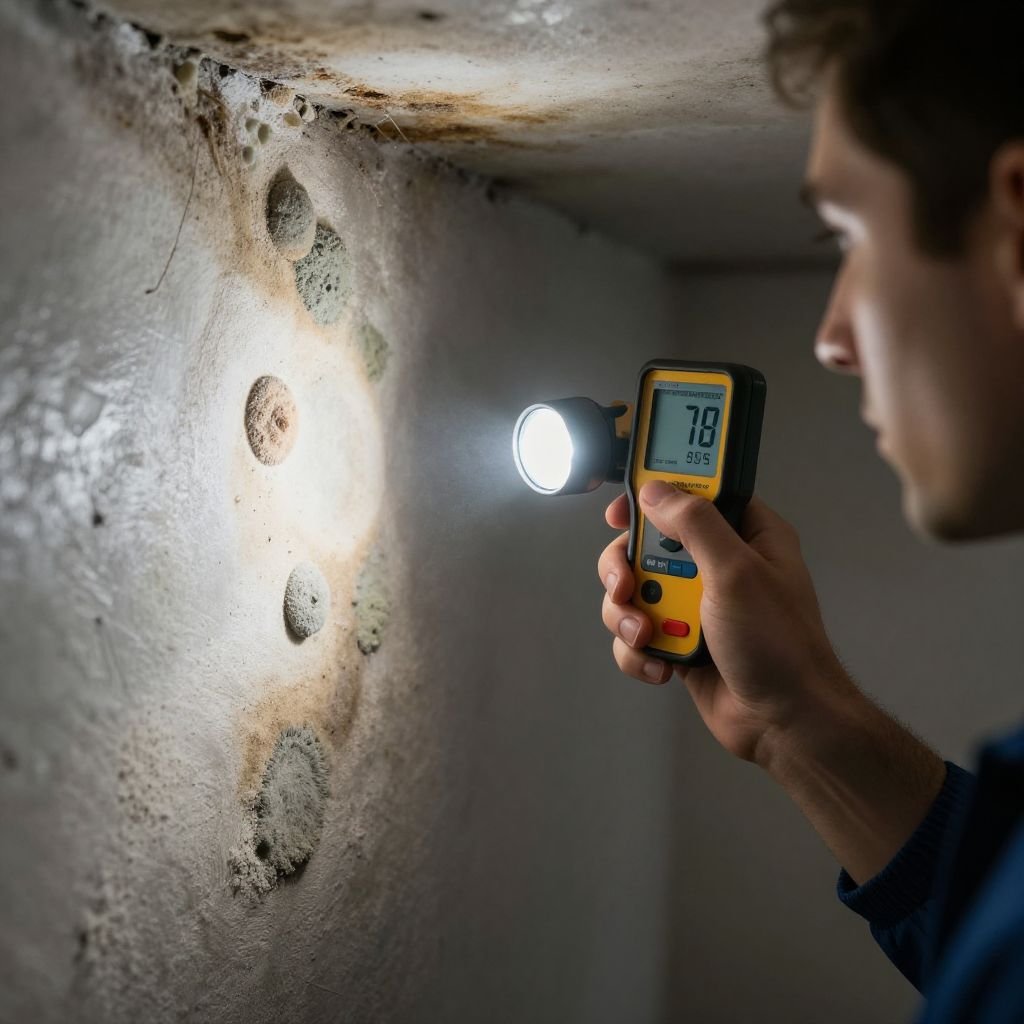
Technicians begin with thorough moisture detection using thermal imaging and hygrometers. In Western Springs, this phase often reveals hidden issues: condensation in crawl spaces beneath raised porches common near the village center, or trapped moisture in wall cavities from ice dam formation along north-facing rooflines. Expect 1–2 hours for residential properties, with detailed documentation of affected areas.
Containment and Air Filtration
Before removal begins, professionals establish negative air pressure containment using polyethylene barriers and HEPA-scrubbing equipment. This prevents cross-contamination to unaffected areas—critical in Western Springs homes with central HVAC systems that can distribute spores throughout the property.
Remediation and Material Removal
Non-salvageable materials receive controlled demolition and proper disposal per DuPage County waste regulations. Cleanable structural elements undergo HEPA vacuuming and antimicrobial treatment. Drying equipment runs continuously until moisture readings confirm levels below 15% wood moisture content.
Post-Remediation Verification
Independent third-party testing confirms successful remediation before reconstruction begins. Reputable Western Springs contractors welcome this validation rather than resisting outside verification.
Available Mold Remediation Services
Western Springs residents can access comprehensive remediation solutions addressing the full spectrum of mold concerns common to DuPage County properties.
- Emergency Water Extraction and Drying — 24/7 response for burst pipes, sump pump failures, and storm-related flooding, with rapid deployment to minimize secondary mold growth
- Attic Mold Remediation — Specialized treatment for ventilation-deficient spaces, including soffit and ridge vent corrections common in vintage Western Springs homes
- Basement and Crawl Space Mold Removal — Addressing below-grade moisture intrusion with vapor barrier installation and dehumidification strategies
- HVAC Mold Cleaning — Ductwork sanitization and air handler restoration, particularly important for homes with forced-air systems in humid summer months
- Post-Construction Mold Prevention — Consultation for renovation projects, ensuring proper moisture management in additions and historic home updates
- Commercial Mold Remediation — Scaled services for Western Springs business properties along Ogden Avenue and Grand Avenue commercial corridors
Many Western Springs properties benefit from combining remediation with moisture control system installation—sump pumps with battery backup, French drain improvements, or whole-home dehumidification. These preventative measures address root causes rather than symptoms, particularly valuable given the area's clay-heavy soils that impede natural drainage.
Frequently Asked Questions About Mold Remediation in Western Springs
How does Western Springs' location near the Des Plaines River affect mold risk?
The elevated water table and periodic flooding in low-lying areas increase basement moisture issues. Homes near the river corridor or in former floodplains experience higher humidity levels, particularly during spring snowmelt and heavy rainfall events. Proper drainage maintenance and sump system functionality become essential preventive measures.
Are there special considerations for historic homes in Western Springs?
Yes. Many properties in the original village plat and near Thomas Ford Memorial Library date to the late 1800s and early 1900s. These structures often contain plaster-and-lath walls, balloon framing with no fire stops, and limited vapor barriers. Remediation requires gentler techniques, specialized drying protocols, and materials compatible with historic preservation standards.
How long does typical mold remediation take in a Western Springs home?
Most residential projects complete in 3–7 days, depending on contamination extent and affected materials. Homes with finished basements requiring drywall removal, or properties with extensive HVAC contamination, may extend to 10–14 days. Weather conditions during drying phases can also impact timelines, particularly during humid summer periods.
Does DuPage County require permits for mold remediation?
Permit requirements depend on project scope. Structural repairs, electrical work, or plumbing modifications triggered by mold damage require proper permitting through DuPage County or Western Springs village offices. Pure remediation without reconstruction typically does not require permits, though contractors must maintain IDPH licensing. Always verify your contractor handles necessary paperwork.