

How to Choose a Mold Remediation Professional in Wauwatosa
Finding the right mold remediation specialist in Wauwatosa means looking beyond a quick online search. Milwaukee County's climate—humid summers, lake-effect moisture, and freeze-thaw cycles—creates unique conditions where mold thrives in basements, crawl spaces, and behind walls. Here's what to prioritize when selecting a local professional.
Certification matters. Verify that any company you consider holds IICRC certification for mold remediation specifically. Wisconsin does not require separate mold licensing, so industry credentials separate qualified technicians from general cleaners. Ask about ongoing training, since remediation standards evolve with EPA and OSHA guidance.
Local experience counts. Wauwatosa's housing stock ranges from early 1900s bungalows near the Village to mid-century ranches and newer constructions along Mayfair Road. Each era presents different moisture vulnerabilities—plaster and lath versus drywall, aging foundations versus modern drainage systems. A company that understands Wauwatosa's building history diagnoses problems faster and avoids unnecessary demolition.
Insurance verification. Request proof of general liability and pollution-specific coverage. Mold remediation carries inherent contamination risks; standard contractor policies often exclude microbial work. Reputable providers carry minimum $1 million in coverage with mold-specific endorsements.
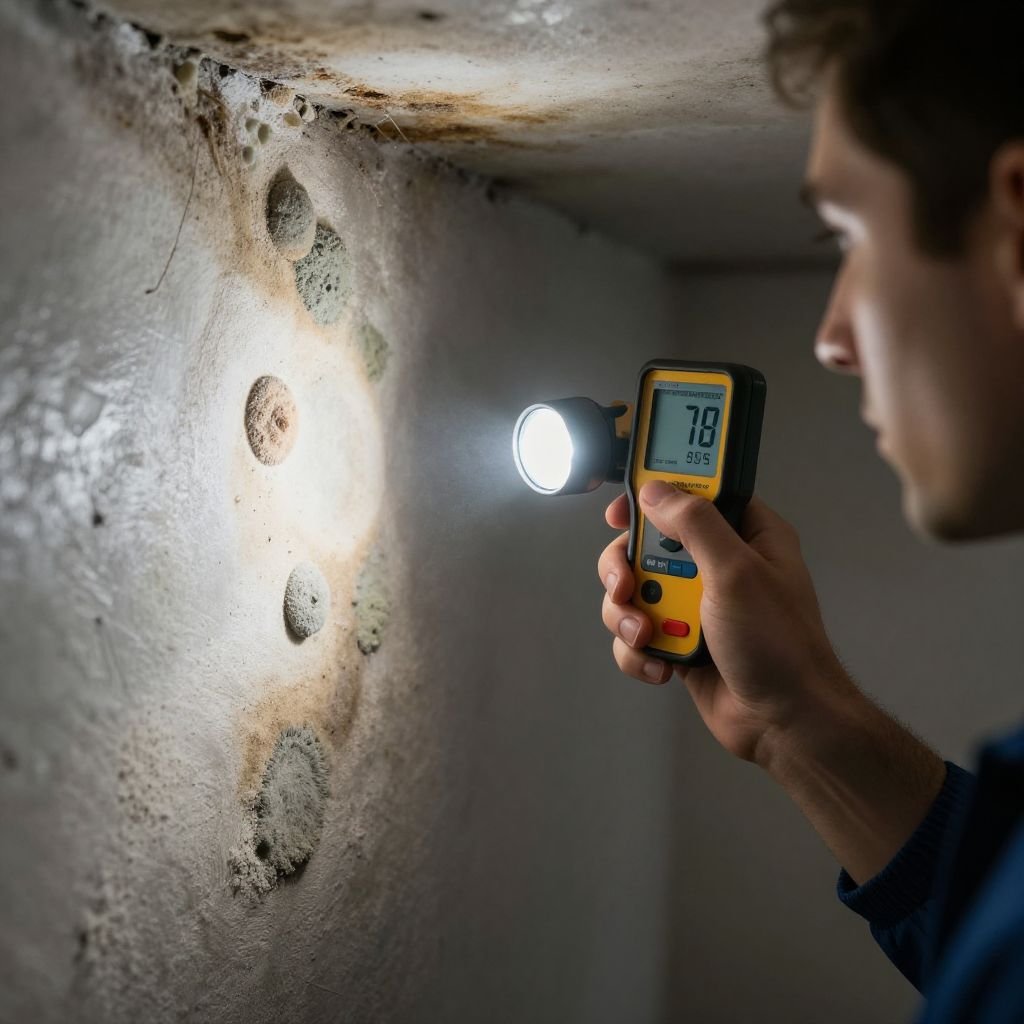
Assessment transparency. Be wary of quotes given without inspection. Effective remediation requires moisture mapping, air sampling, and visual assessment. A thorough Wauwatosa provider examines HVAC systems, attic ventilation, and foundation grading—these commonly overlooked entry points explain recurring mold issues.
What to Expect from Mold Remediation Services in Wauwatosa
The remediation process follows established protocols adapted to your property's specific conditions. Understanding these steps helps you evaluate proposals and prepare your household.
Containment and isolation. Technicians seal affected areas with polyethylene sheeting and establish negative air pressure using HEPA-filtered equipment. This prevents spore migration to unaffected rooms—critical in Wauwatosa's compact ranch layouts where HVAC systems can distribute contamination.
Material removal and cleaning. Porous materials saturated with mold—drywall, insulation, carpet padding—typically require removal. Non-porous surfaces undergo HEPA vacuuming and antimicrobial treatment. In Wauwatosa's older homes, this phase demands care around original woodwork, plaster details, and historic features that homeowners wish to preserve.
Drying and dehumidification. Industrial-grade equipment runs continuously until moisture readings stabilize below industry thresholds. Milwaukee County's humidity means this phase often extends 3–5 days, longer than drier climates. Technicians monitor with calibrated meters rather than visual estimation.
Post-remediation verification. Independent third-party testing confirms air quality and surface conditions meet clearance standards. Reputable Wauwatosa providers welcome this step rather than resist it.
Available Mold Remediation Services
Providers serving Wauwatosa typically offer tiered solutions based on contamination scope and property type:
- Emergency mold response — 24-hour deployment for water damage events, burst pipes, or storm flooding with same-day containment
- Basement and crawl space remediation — Specialized treatment for below-grade moisture problems common near Underwood Creek and low-lying Wauwatosa neighborhoods
- Attic mold removal — Addressing ventilation failures, ice dam moisture, and roof leak damage
- Whole-house mold abatement — Comprehensive service for properties with systemic issues or real estate transaction requirements
- Preventative moisture control — Dehumidification systems, drainage improvements, and vapor barrier installation
- Contents cleaning and restoration — HEPA treatment for salvageable furniture, textiles, and personal items
Many Wauwatosa homeowners combine remediation with waterproofing upgrades, particularly in neighborhoods experiencing increased basement seepage during spring thaws.
Frequently Asked Questions
How quickly can mold remediation begin in Wauwatosa?
Most local providers offer assessment within 24–48 hours, with emergency containment available same-day for active water damage. Scheduling during peak spring and summer months may extend this slightly.
Will my homeowners insurance cover mold remediation?
Coverage varies significantly. Sudden, accidental water damage typically qualifies; long-term maintenance neglect usually does not. Wauwatosa homeowners should review policy language and document damage promptly. Your remediation contractor can provide detailed reports to support claims.
How do I prevent mold from returning after remediation?
Successful prevention addresses moisture sources: repair foundation cracks, improve bathroom and kitchen ventilation, maintain gutters and downspouts, and keep indoor humidity below 60%. Annual inspections of previously affected areas catch problems before they escalate.