

Common Mold Remediation Problems in St. Helens
St. Helens homeowners face distinct mold challenges shaped by Columbia County's damp Pacific Northwest climate. Situated along the Columbia River with heavy seasonal rainfall, properties here absorb excess moisture that creates ideal conditions for mold colonization.
Historic homes in downtown St. Helens and properties near the waterfront encounter particular difficulties. Aging foundations, inadequate vapor barriers, and original building materials trap humidity against walls and subfloors. Crawl spaces—common in homes throughout Columbia County—become breeding grounds when seasonal flooding or groundwater seepage goes unnoticed.
Many residents discover mold only after it has spread extensively behind drywall, beneath flooring, or within HVAC systems. Musty odors, persistent allergy symptoms, and visible discoloration often indicate problems that have developed over months. The region's mild winters prevent the freeze-thaw cycles that might otherwise inhibit mold growth, allowing infestations to continue year-round.
Commercial properties along Highway 30 and industrial buildings near the port district face additional complications. Roof leaks from wind-driven rain, improper drainage around slab foundations, and condensation in uninsulated metal structures create multiple moisture entry points that standard maintenance cannot address.
How We Help St. Helens Homeowners
Our approach begins with comprehensive moisture mapping to identify where water intrudes—not merely where mold appears visible. In St. Helens properties, we frequently trace problems to failed crawl space encapsulation, compromised roof flashing, or grading that directs rainfall toward rather than away from foundations.
We coordinate directly with homeowners and, when necessary, insurance providers to document damage thoroughly. Columbia County residents benefit from our familiarity with local building codes and permit requirements, streamlining restoration that requires structural repairs. Our containment protocols protect unaffected areas during remediation, critical in homes with finished basements or converted attics common throughout St. Helens neighborhoods.
Post-remediation, we implement moisture control strategies tailored to each property's vulnerabilities—whether installing proper drainage, improving ventilation, or recommending dehumidification systems appropriate for the Columbia River Gorge microclimate.
Mold Remediation Services Available in St. Helens
Inspection and Assessment
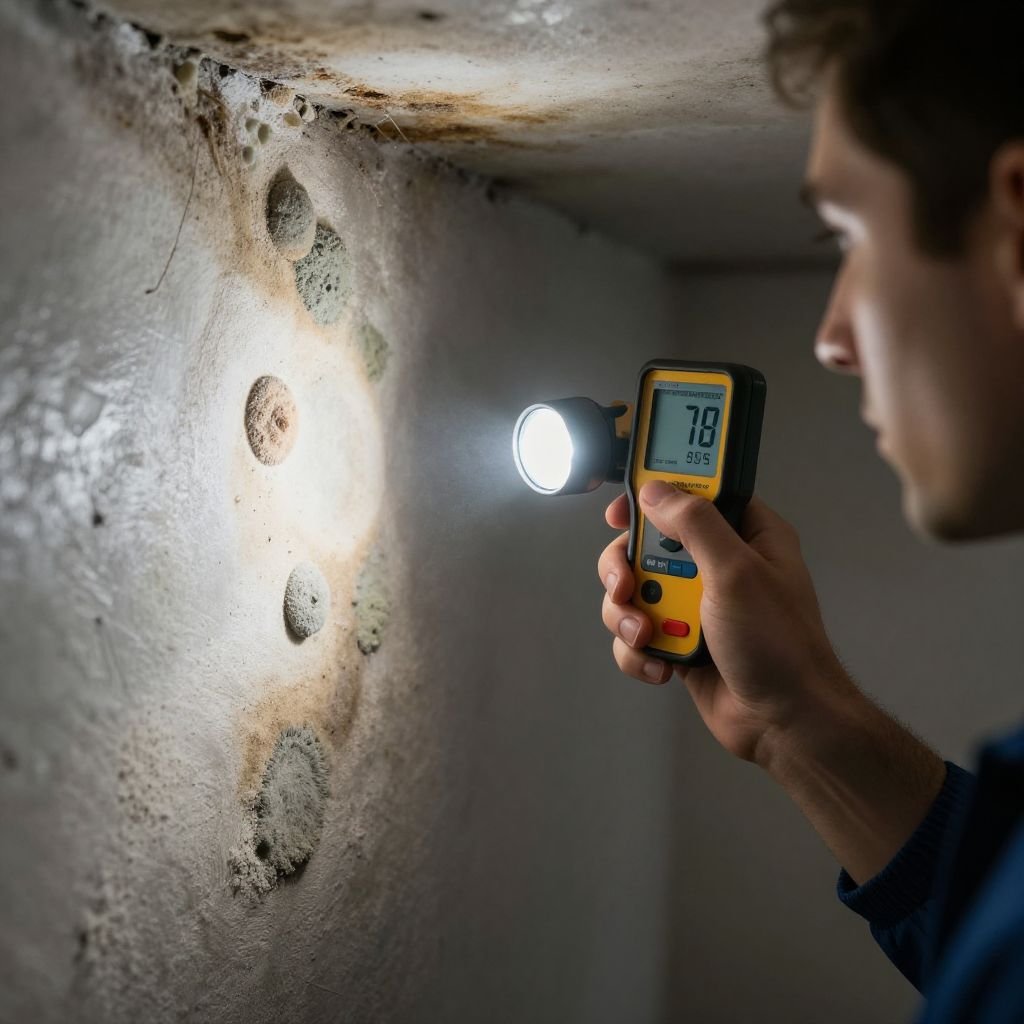
Detailed evaluation using moisture meters, thermal imaging, and air quality sampling to determine contamination extent and moisture sources.
Containment and Removal
Isolation of affected zones with negative air pressure systems, followed by safe removal of contaminated materials per Oregon DEQ guidelines.
Structural Drying and Dehumidification
Industrial-grade equipment to eliminate residual moisture from framing, concrete, and hard-to-reach cavities before reconstruction begins.
Air Quality Testing and Clearance
Independent verification that spore counts return to acceptable levels, providing documentation for real estate transactions or insurance claims.
Preventative Encapsulation
Crawl space and basement sealing services that protect St. Helens properties from recurring moisture problems common in Columbia County.
Mold Remediation Pricing in the St. Helens Area
Costs vary considerably based on contamination scope, material accessibility, and required repairs. Minor surface mold limited to a single bathroom or small closet typically ranges from $500 to $1,500. Moderate infestations affecting multiple rooms with some drywall replacement generally fall between $2,000 and $5,000.
Extensive crawl space or whole-house remediation involving HVAC decontamination, structural repairs, and comprehensive encapsulation can exceed $10,000. St. Helens properties with finished basements or those requiring engineered drying solutions may incur additional costs.
We provide detailed written estimates following inspection, with transparent breakdowns of remediation, disposal, and reconstruction phases. Many homeowners insurance policies cover mold damage resulting from covered perils—our documentation assists with claim submissions. For uninsured or partially covered situations, we offer payment plans that accommodate Columbia County household budgets.
Frequently Asked Questions
How quickly can mold spread in a St. Helens home?
Given the consistent humidity along the Columbia River, mold can establish visible colonies within 48-72 hours of moisture intrusion. Early intervention prevents the extensive remediation that delayed action often necessitates.
Will mold return after professional remediation?
Recurrence depends entirely on whether underlying moisture sources are eliminated. Our St. Helens services include source identification and correction recommendations; without addressing these, mold will likely redevelop regardless of removal quality.
Do I need to leave my home during remediation?
For contained, limited projects, residents often remain with temporary HVAC isolation. Larger-scale remediation, particularly involving whole-house decontamination or extensive crawl space work, typically requires temporary relocation for safety and equipment effectiveness.