

How to Choose a Mold Remediation Professional in South Weber
Finding the right mold remediation specialist in South Weber means looking beyond basic cleanup services. Weber County's semi-arid climate with seasonal snowmelt and summer thunderstorms creates unique moisture challenges for homeowners along the Wasatch Front.
Start by verifying proper licensing through Utah's Division of Occupational and Professional Licensing. Any legitimate contractor performing mold remediation in Weber County should carry active credentials and general liability insurance with pollution-specific coverage. Ask for proof before scheduling an inspection.
Experience with South Weber's housing stock matters considerably. Many homes in this area range from established ranch-style properties to newer developments near the South Weber Drive corridor. Older homes may harbor hidden mold behind vintage drywall or within crawl spaces that newer construction methods don't present. A local professional understands how the Weber River's proximity and seasonal runoff patterns affect basement moisture levels in this specific geography.
Request detailed documentation protocols. Reputable providers photograph contamination before removal, specify containment strategies, and provide post-remediation verification testing. Be cautious of anyone offering dramatically lower bids than competitors—proper mold remediation requires specialized equipment, HEPA filtration, and trained technicians that cut-rate services typically skip.
Check reviews specifically mentioning Weber County projects rather than generic testimonials. Local familiarity with South Weber's building department requirements and permit processes prevents compliance headaches later.
What to Expect from Mold Remediation Services in South Weber
The mold remediation process follows established protocols adapted to your property's specific conditions. Understanding these phases helps South Weber homeowners prepare appropriately and recognize thorough work versus superficial treatment.
Initial Assessment and Moisture Mapping
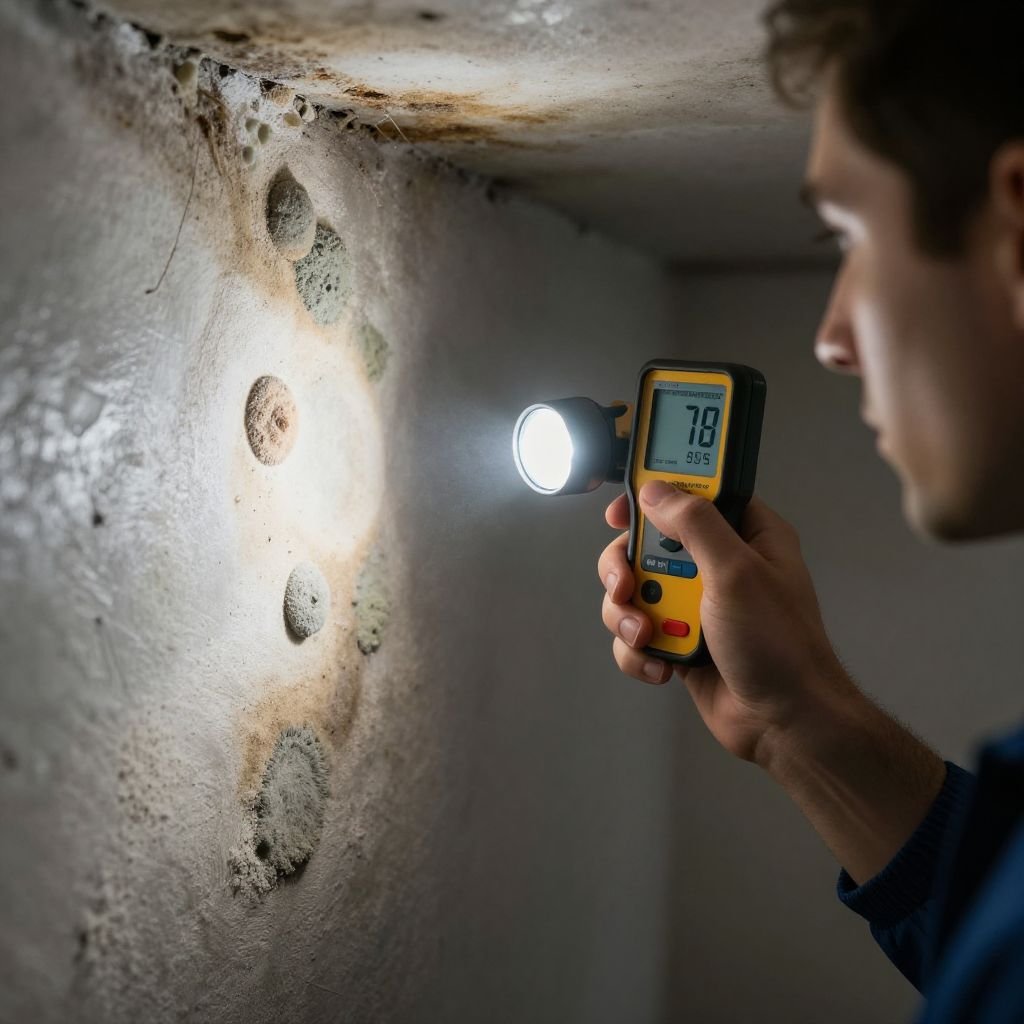
Technicians begin with comprehensive inspection using moisture meters, thermal imaging, and air sampling. In South Weber's climate, they particularly investigate areas affected by ice dam formation, foundation seepage from spring runoff, or condensation from temperature differentials between heated interiors and unconditioned crawl spaces.
Containment and Air Filtration
Physical barriers of polyethylene sheeting isolate affected zones. Negative air machines with HEPA filtration run continuously during remediation, preventing spore migration to clean areas of your home. This engineering control proves especially important in South Weber's tighter modern construction where HVAC systems might otherwise distribute contamination.
Removal and Cleaning
Porous materials showing active growth—drywall, insulation, ceiling tiles—require removal and proper disposal per Weber County waste regulations. Non-porous surfaces undergo HEPA vacuuming and antimicrobial treatment. The extent of demolition depends on contamination severity, which your contractor should explain with photographic evidence.
Drying and Dehumidification
Industrial dehumidifiers and air movers eliminate residual moisture. South Weber's elevation and dry air assist this phase, though technicians monitor until materials reach acceptable moisture content levels documented with meters.
Restoration and Prevention Guidance
Quality providers repair or coordinate reconstruction of removed materials. They also identify moisture sources—whether grading issues, gutter failures, plumbing leaks, or ventilation deficiencies—and recommend permanent corrections to prevent recurrence.
Available Mold Remediation Services
South Weber residents can access comprehensive mold remediation solutions addressing diverse contamination scenarios throughout Weber County.
Residential Mold Remediation
Complete home services from single-room treatment to whole-house intervention following extensive water damage. Specialists handle basements, attics, crawl spaces, bathrooms, and living areas with appropriate techniques for each environment.
Commercial Mold Remediation
Business properties along South Weber's commercial corridors require discrete, efficient service minimizing operational disruption. Scalable containment and flexible scheduling accommodate retail, office, and light industrial needs.
Water Damage Restoration
Since mold follows moisture, integrated water extraction, drying, and mold prevention services address root causes. Rapid response within 24-48 hours of flooding significantly reduces eventual mold proliferation.
Air Quality Testing and Assessment
Independent mold inspection and laboratory analysis identify species present and concentration levels. This service benefits South Weber homeowners experiencing health symptoms without visible mold, or those needing documentation for insurance or real estate transactions.
Crawl Space and Basement Encapsulation
Preventative moisture control systems including vapor barrier installation, dehumidification, and ventilation improvements. Particularly valuable for South Weber homes with below-grade spaces vulnerable to groundwater intrusion or seasonal humidity fluctuations.
Post-Remediation Verification
Third-party or contractor-conducted clearance testing confirms successful remediation. Air and surface samples compared against baseline measurements demonstrate return to normal fungal ecology.
Frequently Asked Questions About Mold Remediation in South Weber
How quickly can mold grow after water damage in South Weber homes?
Mold colonization typically begins within 24 to 72 hours of moisture intrusion. South Weber's dry climate doesn't prevent indoor growth when water enters wall cavities, under flooring, or in poorly ventilated spaces. Immediate water extraction and professional drying within this window drastically reduces mold risk.
Does homeowners insurance cover mold remediation in Weber County?
Coverage varies significantly by policy. Most standard policies cover mold remediation only when resulting from a covered peril—sudden pipe rupture, appliance overflow, or storm damage entering through compromised roofing. Gradual leaks, maintenance neglect, or flooding typically require separate endorsements or federal flood insurance. Review your specific declarations page and consult your agent.
Can I perform mold remediation myself in my South Weber home?
DIY removal is inadvisable for contaminated areas exceeding approximately 10 square feet, when HVAC systems are involved, or when occupants have respiratory conditions or immune sensitivities. Improper disturbance releases massive spore quantities, often worsening contamination. Professional containment, negative air pressure, and proper PPE protect both occupants and property value.
How long does professional mold remediation typically take?
Timeline depends on contamination extent, materials affected, and moisture source complexity. Single-room projects with straightforward drying may conclude in 3-5 days. Extensive basement or whole-house remediation involving structural drying, multiple containment zones, and reconstruction coordination can extend to 1-3 weeks. Your contractor should provide specific phase scheduling during initial assessment.
What health symptoms indicate possible mold exposure?
Common reactions include persistent coughing, sneezing, nasal congestion, throat irritation, headaches, and eye watering. Individuals with asthma, allergies, or compromised immune systems may experience more severe respiratory distress. Not everyone reacts similarly—some occupants show symptoms while others in the same household remain unaffected. Unexplained symptom improvement when away from home strongly suggests indoor air quality issues warranting professional evaluation.