

Mold Remediation Services in Schaumburg, IL
Schaumburg homeowners and business owners face unique mold challenges due to the area's continental climate with humid summers and freezing winters. Located in northeastern DuPage County with portions extending into Cook County, this bustling suburb experiences significant temperature swings that create ideal conditions for moisture accumulation and mold growth.
The village's mix of housing stock—from mid-century ranch homes near Schaumburg Road to newer developments around the Woodfield area and commercial properties along the I-90 corridor—each presents distinct mold risks. Older homes may have aging plumbing, inadequate ventilation systems, or previous water damage hidden behind walls. Meanwhile, newer construction can trap moisture tightly sealed building envelopes when HVAC systems aren't properly balanced.
Schaumburg's proximity to numerous water features, including the Salt Creek watershed and multiple retention ponds, contributes to higher groundwater tables in certain neighborhoods. Spring thaws and heavy summer storms frequently lead to basement flooding, sump pump failures, and crawl space moisture issues that spark mold infestations within 24-48 hours.
Commercial properties in Schaumburg face additional pressures. The village hosts one of the largest retail corridors in the Midwest, along with substantial office parks, hotels, and healthcare facilities. These buildings operate complex mechanical systems that, when poorly maintained, distribute mold spores throughout occupied spaces. Restaurants, fitness centers, and hospitality venues with steam and high humidity require vigilant moisture management.
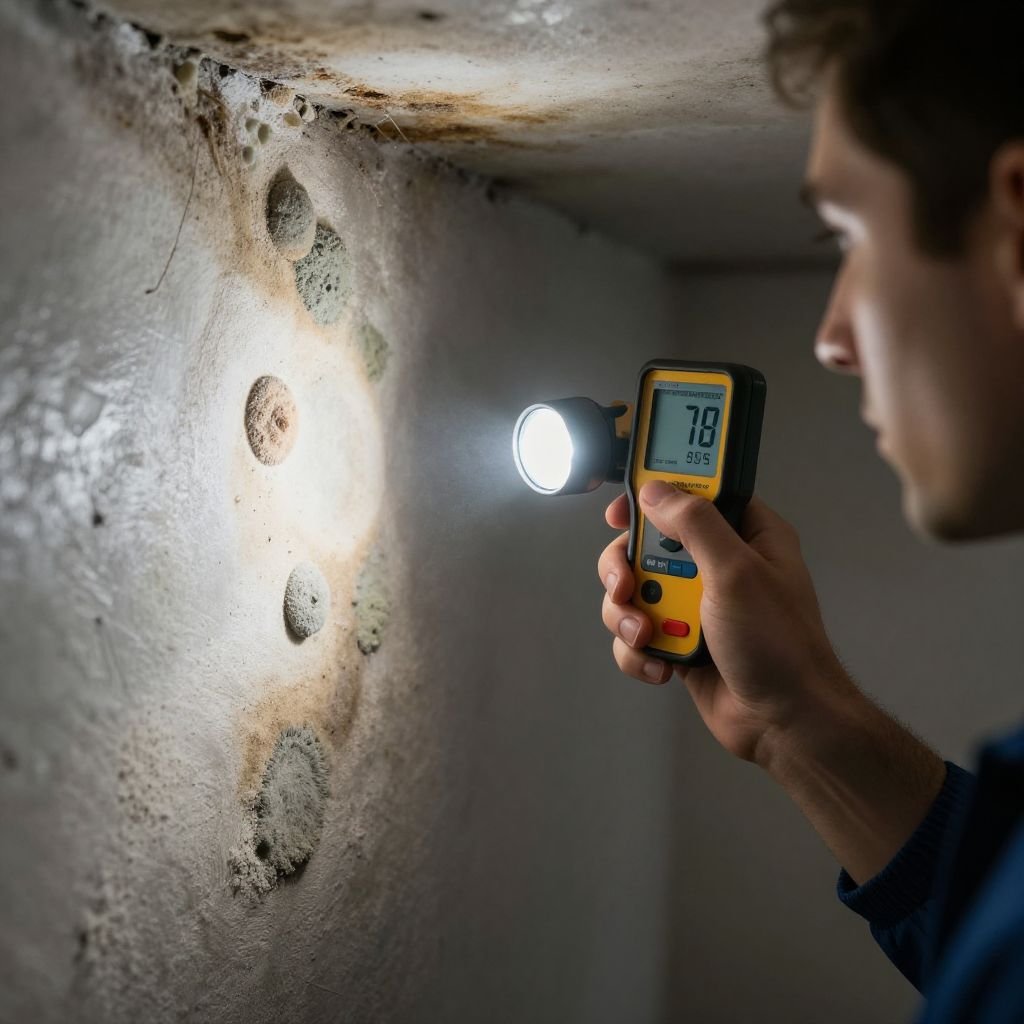
Professional mold remediation in Schaumburg follows a systematic approach: thorough moisture source identification, containment of affected areas, air filtration, removal of contaminated materials, cleaning and sanitization, and restoration of normal moisture levels. DuPage County health guidelines and Illinois Department of Public Health standards shape proper remediation protocols, particularly for sensitive environments like schools, daycare facilities, and healthcare settings.
Common mold species found in Schaumburg properties include Aspergillus, Cladosporium, Penicillium, and Stachybotrys chartarum (black mold). Each requires specific handling procedures, especially when mycotoxin-producing varieties are suspected. Professional assessment determines appropriate containment levels, personal protective equipment requirements, and disposal methods.
Frequently Asked Questions About Mold Remediation in Schaumburg
How quickly does mold grow after water damage in a Schaumburg home?
Mold colonization typically begins within 24 to 48 hours of water exposure. Schaumburg's summer humidity, which frequently exceeds 70%, accelerates this timeline significantly. Even small leaks from ice dam damage in winter or sump pump failures during spring storms can trigger rapid growth. Immediate water extraction and structural drying within this critical window often prevents mold establishment entirely. Delayed response, even by a few days, typically necessitates full remediation rather than simple drying services.
Do I need mold testing before remediation in Schaumburg?
Testing requirements depend on circumstances. Visible mold growth covering more than 10 square feet generally requires professional remediation regardless of species identification. Testing becomes valuable when health symptoms are present without visible mold, when real estate transactions require documentation, after remediation to verify clearance, or when litigation is anticipated. In Schaumburg, independent third-party testing is recommended rather than using the same company for both testing and remediation, eliminating potential conflicts of interest. DuPage County residents should ensure laboratories hold AIHA-LAP accreditation for reliable results.
Will my Schaumburg homeowner's insurance cover mold remediation?
Coverage varies substantially by policy. Standard Illinois homeowner's insurance typically covers mold remediation only when caused by a covered peril—sudden pipe bursts, storm damage, or appliance failures. Long-term maintenance issues, gradual leaks, or flooding from groundwater generally receive no coverage. Some insurers offer limited mold endorsements capping coverage at $5,000-$10,000, while others exclude mold entirely. Schaumburg residents in flood-prone areas near Salt Creek should consider separate flood insurance through the NFIP. Documentation of the water source and prompt mitigation efforts strengthen claim validity. Review your declarations page carefully and consult your agent before mold issues arise.
Schaumburg-Specific Mold Concerns
Several factors particular to Schaumburg influence mold patterns across the community. The village's extensive commercial development generates significant impervious surfaces, altering natural drainage and increasing runoff into residential areas. Properties near major construction zones may experience vibration-related foundation shifts that compromise waterproofing systems.
The Woodfield Mall area and surrounding retail district create substantial urban heat island effects, modifying local microclimates and humidity patterns. Homes in these zones often run air conditioning more intensively, producing condensation issues when cool air meets warm, humid attic or crawl space environments.
Schaumburg's proactive building department enforces current International Building Code standards, but many properties predate modern moisture management requirements. Homes built during the 1960s-1980s development boom frequently lack vapor barriers, adequate attic ventilation, or proper foundation drainage. Retrofitting these systems often resolves chronic mold susceptibility.
Seasonal considerations matter significantly. Winter ice dams on north-facing roofs force water under shingles into attic spaces. Spring snowmelt combined with frozen ground causes basement seepage. Summer air conditioning condensation on poorly insulated ducts creates drip patterns. Fall leaf accumulation in gutters and window wells blocks drainage. Year-round vigilance serves Schaumburg property owners best.