

How to Choose a Mold Remediation Professional in Santa Clara
Selecting the right mold remediation specialist in Santa Clara requires understanding the unique challenges of Silicon Valley's climate and building stock. Santa Clara County's combination of older ranch-style homes, mid-century apartment complexes, and modern commercial developments each present distinct mold risks that demand specialized expertise.
When evaluating professionals, prioritize IICRC certification and California State Contractor License Board credentials. Santa Clara County's strict environmental regulations mean your contractor must understand local disposal requirements for contaminated materials and adhere to Santa Clara Valley Water District guidelines for wastewater management during remediation.
Ask specifically about their experience with:
- Post-flood recovery from seasonal creek overflow near the Guadalupe River watershed
- HVAC-integrated mold in buildings with central cooling systems common to the area
- Attic and crawl space remediation in homes built during Santa Clara's 1950s-1970s expansion
Request proof of general liability and pollution insurance with coverage specific to mold-related claims. Verify they conduct pre- and post-remediation air quality testing using third-party laboratories, not in-house equipment that may produce biased results.
What to Expect from Mold Remediation Services in Santa Clara
Professional mold remediation follows a structured protocol adapted to your property's specific conditions. Understanding this process helps you prepare your household or business and evaluate the thoroughness of any proposal.
Initial Assessment and Containment
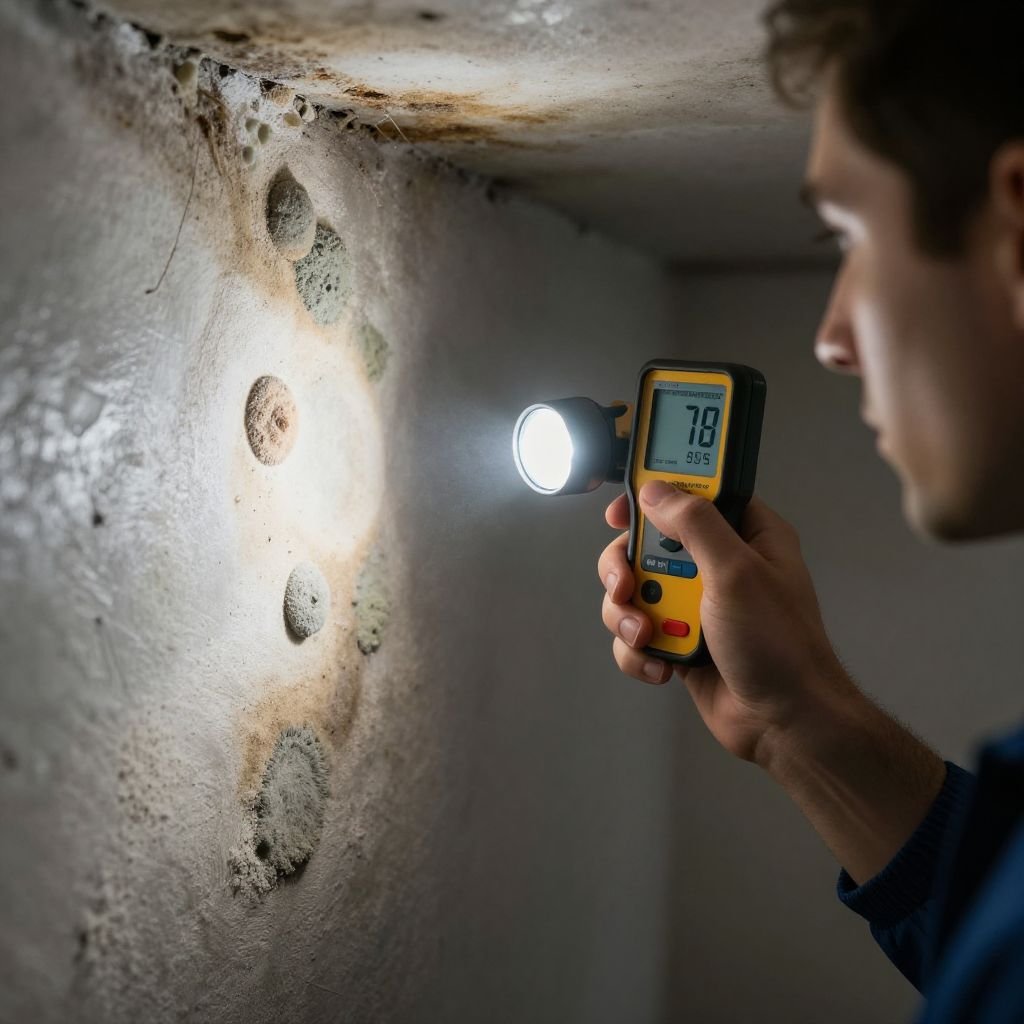
Technicians begin with moisture mapping and infrared thermal imaging to identify hidden water intrusion—particularly critical in Santa Clara's concrete slab foundations where groundwater migration occurs. They establish negative air pressure containment using polyethylene barriers and HEPA-filtered air scrubbers to prevent cross-contamination to unaffected areas.
Removal and Cleaning
Porous materials with heavy contamination—drywall, insulation, ceiling tiles—are removed and bagged for proper disposal per Santa Clara County hazardous waste protocols. Non-porous surfaces undergo HEPA vacuuming and antimicrobial treatment. The duration varies: localized bathroom remediation may conclude in 2-3 days, while whole-house projects after significant water damage extend 1-2 weeks.
Drying and Restoration
Industrial dehumidifiers and air movers reduce moisture content to below 16% in structural materials. Post-remediation verification includes air sampling and surface swab testing, with results compared to outdoor baseline levels typical of Santa Clara's Mediterranean climate. Only after laboratory clearance should reconstruction begin.
Available Mold Remediation Services
Santa Clara residents and property managers can access comprehensive mold solutions scaled to contamination severity and property type:
Residential Services
- Whole-home mold remediation for properties with systemic moisture problems or post-flood conditions
- Attic and crawl space treatment addressing Santa Clara's common ventilation deficiencies and seasonal humidity spikes
- Bathroom and kitchen mold removal targeting recurring growth in high-moisture zones
- Air duct and HVAC decontamination critical for homes with forced-air systems distributing spores throughout living spaces
Commercial and Multi-Family
- Office building remediation with after-hours scheduling to minimize business disruption
- Apartment complex unit treatment coordinating with property management and tenants per California rental housing regulations
- Data center and cleanroom protocols for Santa Clara's technology sector requiring specialized contamination control
Emergency and Preventive
- 24-hour emergency water extraction to prevent mold establishment within the critical 24-48 hour window
- Moisture control consultations with vapor barrier installation and drainage improvements
- Pre-purchase mold inspections for real estate transactions in competitive Santa Clara markets
Frequently Asked Questions
How does Santa Clara's climate affect mold growth?
Santa Clara's dry summers suppress active growth, but the rainy season (November through April) and marine layer intrusion create conditions for mold proliferation. Many properties also have irrigation-related moisture and inadequate ventilation that sustains year-round problems in crawl spaces and wall cavities.
Will my homeowner's insurance cover mold remediation in Santa Clara?
Coverage depends on the cause. Sudden, accidental water damage—burst pipes, appliance failures—typically triggers coverage when reported promptly. Long-term leaks, poor maintenance, or flooding from natural disasters usually require separate flood insurance or out-of-pocket payment. Document everything and contact your insurer before remediation begins.
Can I stay in my home during mold remediation?
For contained, single-room projects with proper isolation barriers, occupants often remain. However, whole-house remediation, HVAC contamination, or toxic species like Stachybotrys generally require temporary relocation. Your contractor should provide clear guidance based on contamination extent and air quality monitoring throughout the project.