

How to Choose a Mold Remediation Professional in Roseburg
When mold appears in your Roseburg home or business, selecting the right remediation professional makes all the difference in protecting your property and health. Douglas County's unique climate—marked by wet winters and the humid conditions along the South Umpqua River—creates environments where mold thrives if not properly addressed.
Start by verifying that any contractor you consider holds proper Oregon licensing for mold remediation work. Oregon requires specific certifications for mold assessment and remediation, so ask to see current credentials before signing any agreement. Experience matters significantly in this field; professionals familiar with Roseburg's older housing stock, including historic homes near downtown and mid-century properties throughout the city, understand the construction quirks that can hide moisture problems.
Request a detailed written scope of work that explains inspection methods, containment strategies, removal techniques, and post-remediation verification. Reputable companies serving Roseburg will conduct thorough moisture mapping rather than simply treating visible mold. They should also carry adequate liability insurance and workers' compensation coverage.
Be cautious of unusually low bids or contractors who recommend bleach-based solutions as primary treatment—proper remediation requires source elimination and physical removal of contaminated materials, not just surface cleaning. Check reviews from other Douglas County residents and ask for local references you can contact directly.
What to Expect from Mold Remediation Services in Roseburg
Professional mold remediation follows a structured protocol designed to eliminate contamination and prevent recurrence. Understanding this process helps Roseburg property owners prepare and evaluate service quality.
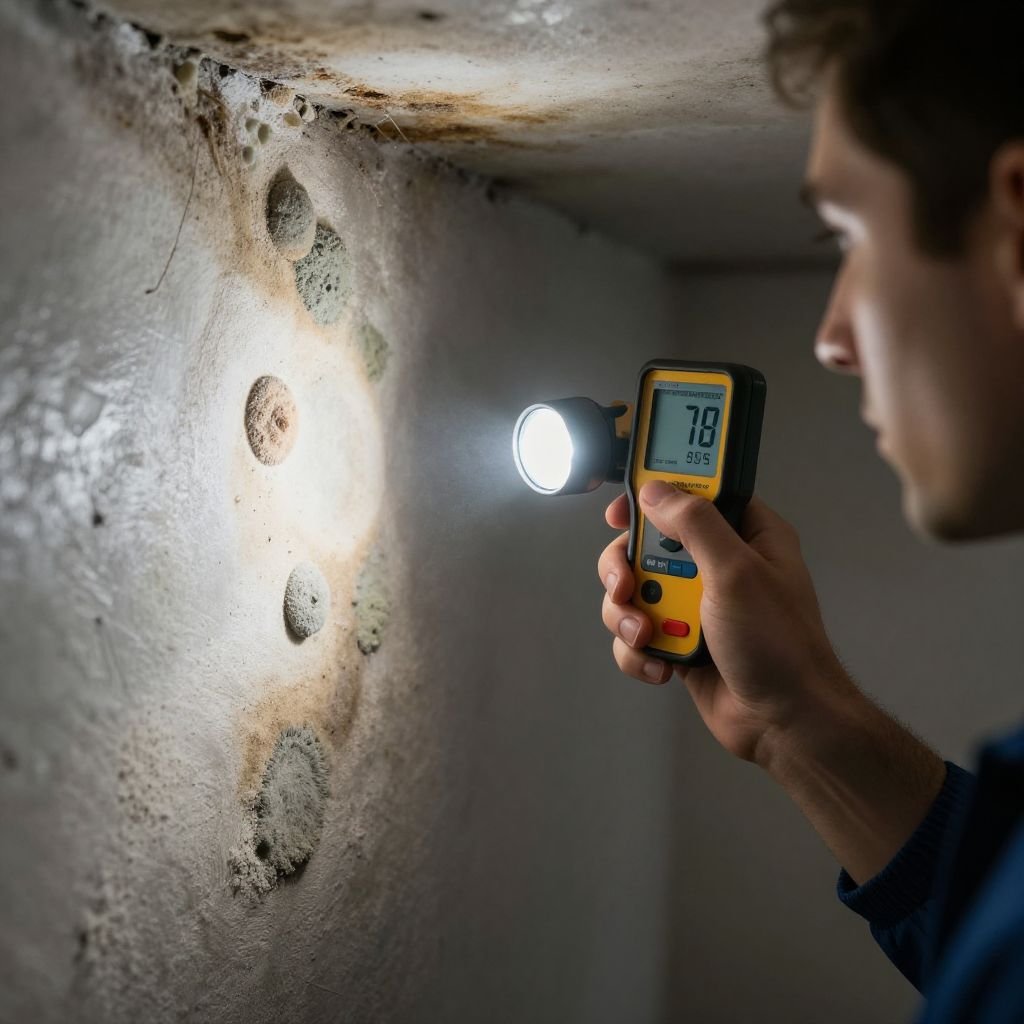
The process begins with a comprehensive inspection. Technicians use moisture meters, thermal imaging cameras, and air sampling to identify all affected areas, including hidden spaces behind walls, under flooring, and within HVAC systems common in Roseburg's varied residential architecture. This assessment determines the extent of contamination and underlying moisture sources—whether from plumbing leaks, foundation seepage, or inadequate ventilation in crawl spaces prevalent throughout the region.
Before removal begins, technicians establish containment barriers using polyethylene sheeting and negative air pressure machines to prevent spore dispersal to clean areas. Workers don appropriate personal protective equipment, including respirators and protective suits, particularly important during disturbance of materials that release concentrated spore clouds.
Remediation itself involves removing porous materials that cannot be salvaged—typically drywall, insulation, carpet, and ceiling tiles that show significant growth. Non-porous surfaces receive HEPA vacuuming and antimicrobial treatment. After physical removal, the area undergoes thorough cleaning with HEPA filtration systems running continuously. Post-remediation verification testing confirms airborne spore counts have returned to acceptable levels before containment comes down.
Finally, reputable providers address the moisture source, whether repairing leaks, improving drainage, installing vapor barriers in crawl spaces, or enhancing ventilation—critical for Roseburg's damp season longevity.
Available Mold Remediation Services
Roseburg residents and business owners can access comprehensive mold solutions tailored to property type and contamination severity.
Residential Mold Remediation covers single-family homes, apartments, and condominiums throughout Roseburg neighborhoods, from the historic districts near Stewart Park to newer developments along the eastern city limits. Services include attic mold treatment, crawl space encapsulation, basement decontamination, and whole-house remediation for widespread issues.
Commercial Mold Remediation serves retail spaces, offices, warehouses, and industrial facilities along Stephenson Street, the Garden Valley corridor, and throughout Douglas County business parks. These projects require specialized scheduling to minimize operational disruption and often involve larger-scale containment systems.
Emergency Water Damage Response provides 24-hour availability for burst pipes, flooding, and storm damage that creates immediate mold risk. Rapid response within the first 24-48 hours dramatically reduces the likelihood of secondary mold growth.
Mold Inspection and Testing offers standalone assessment services for property transactions, tenant complaints, or health concern documentation. This includes air quality sampling, surface testing, and detailed written reports.
Preventative Services encompass crawl space moisture control, ventilation improvements, humidity monitoring system installation, and ongoing maintenance programs particularly valuable for Roseburg's wet season preparation.
Frequently Asked Questions
How long does mold remediation typically take in Roseburg homes?
Most residential projects complete in 3-7 days, depending on contamination extent and area size. Small, contained issues may resolve in 1-2 days, while whole-house remediation or extensive crawl space work can extend to two weeks. Oregon's rainy season occasionally causes scheduling delays when exterior drying periods extend timelines.
Will my insurance cover mold remediation in Douglas County?
Coverage varies significantly by policy. Standard homeowners insurance typically covers mold remediation when caused by a covered peril—sudden pipe bursts, storm damage, or appliance failures. Gradual moisture issues, maintenance neglect, or flooding generally receive no coverage. Review your specific policy and document damage promptly. Some insurers serving Oregon offer limited mold endorsements for additional premium.
Can I stay in my Roseburg home during mold remediation?
For small, isolated projects with proper containment, residents often remain in place. However, if HVAC systems require cleaning, extensive demolition occurs, or occupants have respiratory conditions, temporary relocation proves safer. Discuss this with your remediation professional before work begins, particularly if children, elderly family members, or immunocompromised individuals live in the home.