

How to Choose a Mold Remediation Professional in Plantation
Plantation's subtropical climate—hot, humid summers and frequent afternoon storms—creates ideal conditions for mold growth in homes and commercial buildings throughout Broward County. When selecting a mold remediation professional, local expertise matters significantly more than you might expect.
First, verify proper licensing. Florida requires mold assessors and remediators to hold specific state licenses through the Department of Business and Professional Regulation. Any legitimate professional working in Plantation should readily provide their license number for verification.
Ask about familiarity with Broward County building codes and Plantation's specific permitting requirements. The city enforces regulations that may differ slightly from neighboring municipalities. A local professional understands when permits are necessary and how to navigate the process efficiently.
Insurance coverage is non-negotiable. Confirm both general liability and professional liability policies are current. Given Plantation's vulnerability to hurricane-related water damage and subsequent mold issues, experience with storm restoration provides additional value.
Request references from recent Plantation-area projects. Professionals with established local reputations typically complete work in neighborhoods like Plantation Acres, Jacaranda, or the Plantation Golf Course community. Speaking with nearby property owners offers practical insights into workmanship and reliability.
Finally, obtain detailed written estimates. Quality professionals inspect thoroughly before quoting, explain their testing protocols, and outline containment strategies specific to your property's layout.
What to Expect from Mold Remediation Services in Plantation
Understanding the remediation process helps you prepare appropriately and evaluate whether service providers follow established industry standards.
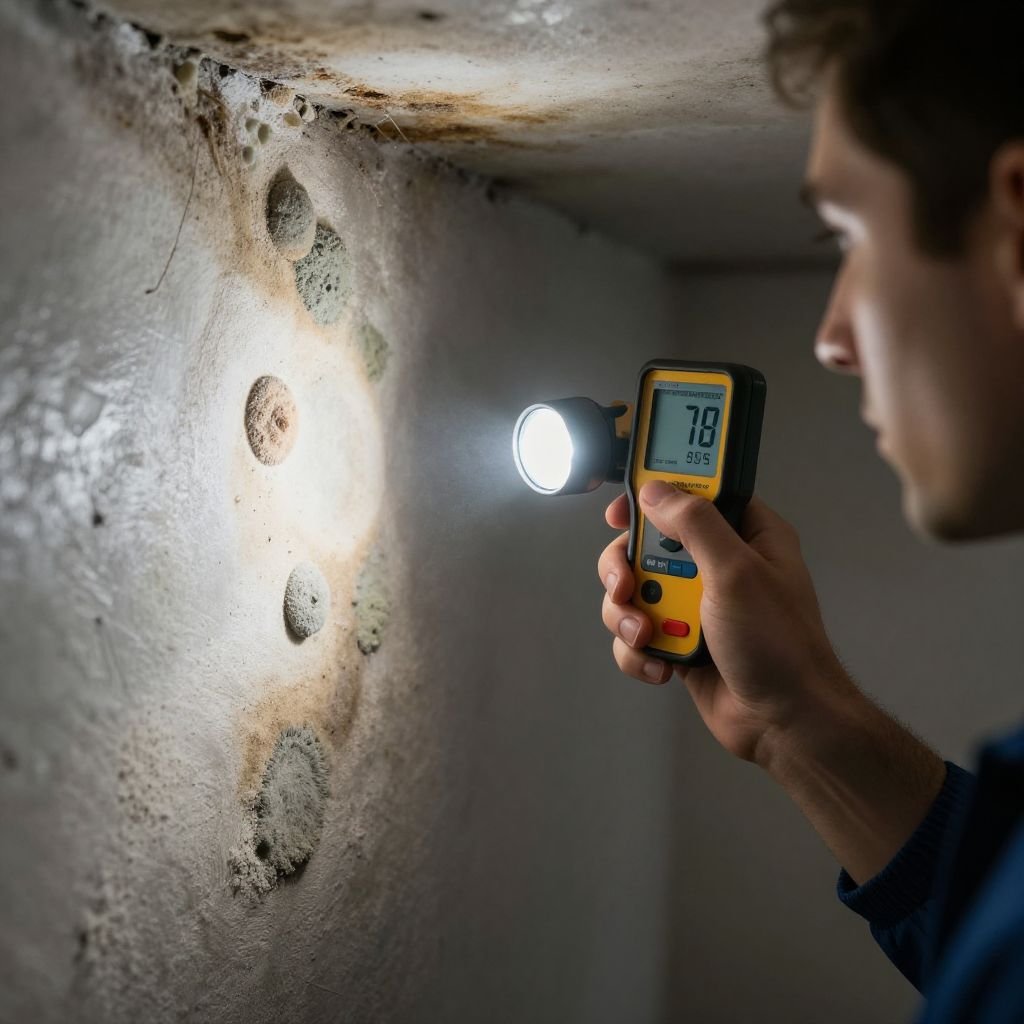
Initial Assessment and Testing: Professionals begin with visual inspection and moisture mapping. Air and surface samples may be collected for laboratory analysis to identify mold species and concentration levels. In Plantation's humid environment, professionals particularly investigate HVAC systems, attics, crawl spaces, and areas with documented water intrusion history.
Containment Setup: Before removal begins, technicians establish physical barriers using plastic sheeting and negative air pressure systems. This prevents mold spores from migrating to unaffected areas during remediation—critical in Plantation's tightly sealed modern construction where air circulation patterns can complicate containment.
Mold Removal and Cleaning: Affected materials are removed or treated depending on porosity and contamination severity. Non-porous surfaces receive HEPA vacuuming and antimicrobial treatment. Porous materials like drywall, insulation, and carpet typically require removal and proper disposal. The extent of demolition varies significantly based on how long moisture persisted before discovery.
Drying and Dehumidification: Plantation's outdoor humidity often exceeds 70%, making thorough structural drying essential. Industrial dehumidifiers and air movers operate until moisture readings confirm materials reach acceptable levels.
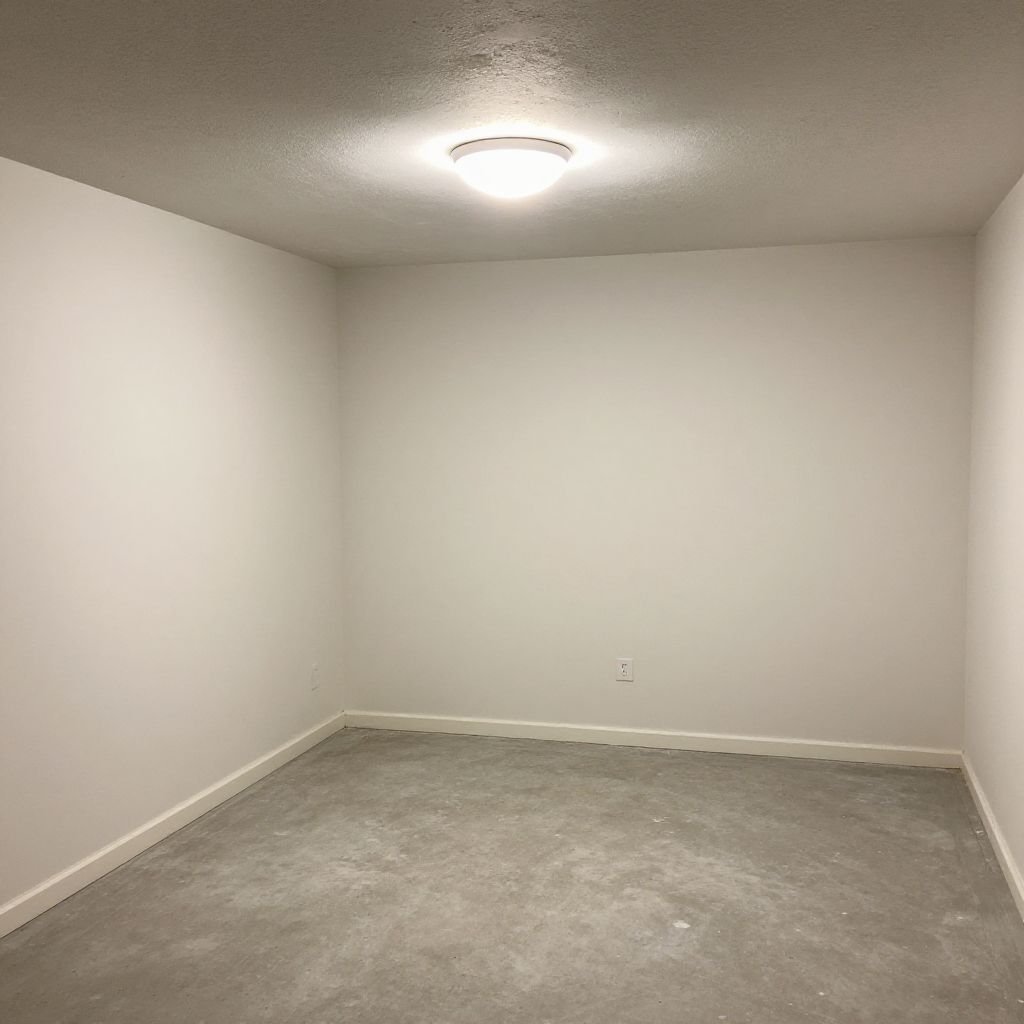
Restoration and Prevention: Final steps include repairing or replacing removed materials and implementing moisture management recommendations. Many Plantation properties benefit from improved ventilation, dehumidification systems, or drainage corrections to prevent recurrence.
Available Mold Remediation Services
Remediation companies serving Plantation typically offer tiered services addressing various contamination scenarios:
- Emergency Water Extraction and Mold Prevention: Rapid response within 24-48 hours of flooding or significant leaks to prevent mold establishment. Critical during Plantation's rainy season and tropical weather events.
- Residential Mold Remediation: Comprehensive services for single-family homes, townhomes, and condominiums. Includes coordination with homeowners' associations when required, common in Plantation's master-planned communities.
- Commercial Mold Remediation: Specialized protocols for office buildings, retail spaces, medical facilities, and restaurants. Minimizes business interruption through phased work schedules and after-hours availability.
- HVAC Mold Cleaning: Dedicated service addressing contamination within air handling units, ductwork, and ventilation components. Particularly relevant given Plantation's year-round air conditioning dependence.
- Post-Remediation Verification: Independent clearance testing to confirm successful remediation. Some property owners in Plantation request this documentation for real estate transactions or insurance purposes.
- Preventive Inspections and Maintenance Programs: Seasonal moisture assessments for properties with prior mold history or ongoing vulnerability concerns.
Frequently Asked Questions About Mold Remediation in Plantation
How quickly can mold grow after water damage in Plantation's climate?
In Plantation's warm, humid conditions, mold colonization can begin within 24 to 48 hours of moisture intrusion. Immediate water extraction and drying significantly reduce remediation complexity and cost.
Does Plantation require permits for mold remediation?
Permit requirements depend on project scope. Extensive demolition, structural repairs, or HVAC modifications typically require permits through the City of Plantation Building Department. Licensed professionals handle permit applications as part of their service.
Will insurance cover mold remediation in Broward County?
Coverage varies by policy. Sudden, accidental water damage often triggers coverage, while long-term maintenance issues may be excluded. Document damage promptly and review your specific policy provisions with your agent.
How long does typical residential mold remediation take?
Minor contained projects may conclude in 1-3 days. Extensive whole-home remediation requiring significant reconstruction can extend to 1-2 weeks. Timeline depends on contamination extent, material removal requirements, and drying conditions.
Can I remain in my Plantation home during remediation?
For limited, contained remediation, temporary occupancy may be possible with containment barriers intact. Larger projects involving multiple rooms, significant demolition, or HVAC contamination typically require temporary relocation for health and safety reasons.