

How to Choose a Mold Remediation Professional in Philadelphia
Finding the right mold remediation professional in Philadelphia, Mississippi requires understanding what separates qualified contractors from those who may leave your property at risk. In Neshoba County's humid subtropical climate, where summer moisture and seasonal storms create ideal conditions for mold growth, expertise matters significantly.
First, verify proper licensing through Mississippi's contractor regulatory framework. Any mold remediation company working in Philadelphia should carry general liability insurance and workers' compensation coverage. Ask for proof of certification from recognized organizations such as the Institute of Inspection, Cleaning and Restoration Certification (IICRC) or the National Organization of Remediators and Mold Inspectors (NORMI). These credentials indicate technicians have completed specialized training in containment protocols, air filtration, and proper removal techniques.
Experience with Neshoba County building styles matters. Philadelphia's mix of historic homes near Downtown, ranch-style properties in developing neighborhoods, and commercial structures along Highway 15 each present unique challenges. Older homes may contain asbestos requiring coordinated abatement, while newer construction with tighter envelopes can trap moisture differently. A local professional understands these nuances and how Philadelphia's clay-heavy soils affect foundation moisture.
Request a detailed written scope of work before signing any agreement. Reputable contractors conduct thorough moisture mapping, explain containment strategies, and outline post-remediation verification testing. Be cautious of quotes given without on-site inspection—mold problems rarely resolve with one-size-fits-all approaches.
What to Expect from Mold Remediation Services in Philadelphia
Professional mold remediation follows a structured protocol designed to eliminate active growth and address underlying moisture sources. Understanding this process helps Philadelphia property owners prepare appropriately and set realistic timelines.
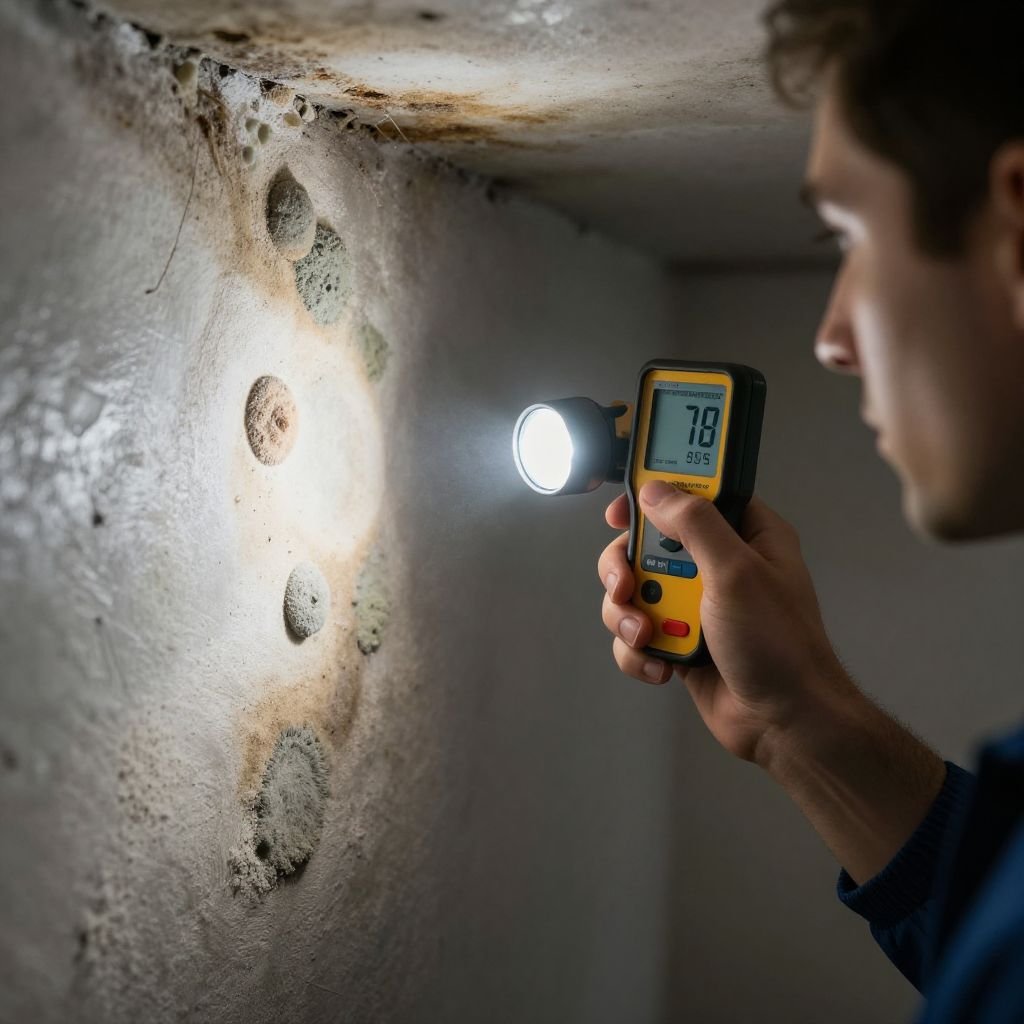
The process begins with comprehensive assessment. Technicians use moisture meters, thermal imaging cameras, and sometimes air sampling to identify contamination extent and hidden water intrusion. In Neshoba County's climate, inspectors particularly examine crawl spaces, attic ventilation systems, and areas affected by the region's occasional flash flooding.
Containment comes next. Heavy polyethylene sheeting creates sealed work zones, often with negative air pressure maintained by HEPA filtration devices. This prevents cross-contamination to unaffected areas during removal. For extensive projects in larger Philadelphia homes or commercial buildings, occupants may need temporary relocation during active remediation.
Removal methods vary by material porosity. Non-porous surfaces like tile and metal undergo HEPA vacuuming and antimicrobial treatment. Porous materials including drywall, insulation, and carpet showing significant growth require controlled demolition and proper disposal. Wood structural elements may be salvageable through specialized cleaning and sanding, though severe cases necessitate replacement.
Post-remediation, contractors should provide documentation including moisture readings, photographic evidence, and clearance testing results. The best professionals in Philadelphia also offer moisture management recommendations—improving drainage, repairing ventilation, or installing dehumidification—to prevent recurrence.
Available Mold Remediation Services
Philadelphia property owners can access comprehensive mold remediation solutions tailored to residential, commercial, and institutional needs throughout Neshoba County.
Residential Mold Remediation: Complete services for single-family homes, townhouses, and apartments. This includes attic mold from ventilation failures, basement and crawl space treatment, bathroom and kitchen remediation, and whole-house projects following water damage events.
Commercial Mold Abatement: Scalable solutions for retail spaces, offices, restaurants, and industrial facilities along Philadelphia's commercial corridors. Projects emphasize minimal business disruption through phased work schedules and after-hours containment setup.
Water Damage Restoration: Integrated services addressing the moisture source behind mold growth. Emergency water extraction, structural drying, and dehumidification prevent secondary damage while remediation proceeds.
Crawl Space and Basement Encapsulation: Preventative and corrective systems for Philadelphia's prevalent below-grade moisture issues. Vapor barrier installation, sump pump integration, and conditioned air solutions transform problematic spaces.
Air Quality Testing and Post-Remediation Verification: Independent assessment services documenting successful remediation through air and surface sampling, providing documentation for real estate transactions or insurance purposes.
Frequently Asked Questions
How does Philadelphia's climate affect mold growth?
Neshoba County's high humidity levels, particularly from May through October, accelerate mold proliferation. Average relative humidity exceeding 70% combined with warm temperatures allows mold to colonize within 24-48 hours of moisture exposure. Seasonal thunderstorms and occasional tropical system remnants increase water intrusion risks for Philadelphia properties.
Will my homeowner's insurance cover mold remediation?
Coverage varies significantly by policy. Most standard policies exclude mold damage unless directly linked to a covered peril—sudden pipe rupture, storm damage through a compromised roof, or similar events. Gradual leaks or maintenance-related moisture typically receive no coverage. Document everything promptly and contact your carrier immediately when discovering water damage that may lead to mold.
How long does professional mold remediation take?
Timeline depends on contamination extent and affected materials. Limited bathroom or closet projects may complete in 1-3 days. Whole-house remediation following significant water damage typically requires 5-10 days. Complex commercial projects with specialized containment needs may extend longer. Your contractor should provide specific timeline expectations during the assessment phase.
Can I perform mold removal myself?
DIY approaches suit only very limited situations—small areas (less than 10 square feet) on non-porous surfaces with no underlying moisture complications. Larger contaminations, HVAC system involvement, immune-compromised occupants, or uncertain moisture sources warrant professional intervention. Improper DIY removal often disperses spores widely, worsening the problem while creating health hazards from inadequate respiratory protection.