

How to Choose a Mold Remediation Professional in Park City
Finding the right mold remediation specialist in Park City requires understanding the unique challenges of mountain living in Salt Lake County. The area's high elevation, heavy snowfall, and temperature swings between seasons create conditions where mold can thrive in attics, basements, and crawl spaces.
When evaluating professionals, prioritize these qualifications:
- IICRC certification — Look for technicians certified in Applied Microbial Remediation (AMRS) through the Institute of Inspection, Cleaning and Restoration Certification. This ensures training in proper containment, removal, and prevention protocols.
- Utah contractor licensing — Verify current licensing through the Utah Division of Occupational and Professional Licensing. Mold remediation often involves structural repairs requiring proper contractor credentials.
- Mountain climate experience — Park City's freeze-thaw cycles and snow load conditions differ from valley environments. Local experience with ice dam-related moisture intrusion and seasonal cabin closures matters.
- Insurance and bonding — Request proof of general liability and workers' compensation coverage. Professional mold remediation carries inherent risks requiring adequate protection.
- Written protocols — Reputable companies provide detailed scope of work before starting, including containment strategies, air filtration plans, and post-remediation verification testing.
Ask potential providers about their familiarity with Summit County building codes and their relationships with local industrial hygienists for third-party clearance testing. Avoid anyone offering "mold treatment" without physical removal—sprays and coatings alone do not address underlying contamination.
What to Expect from Mold Remediation Services in Park City
The mold remediation process follows established protocols adapted to your specific property conditions. Understanding the timeline helps second-home owners and full-time residents plan accordingly.
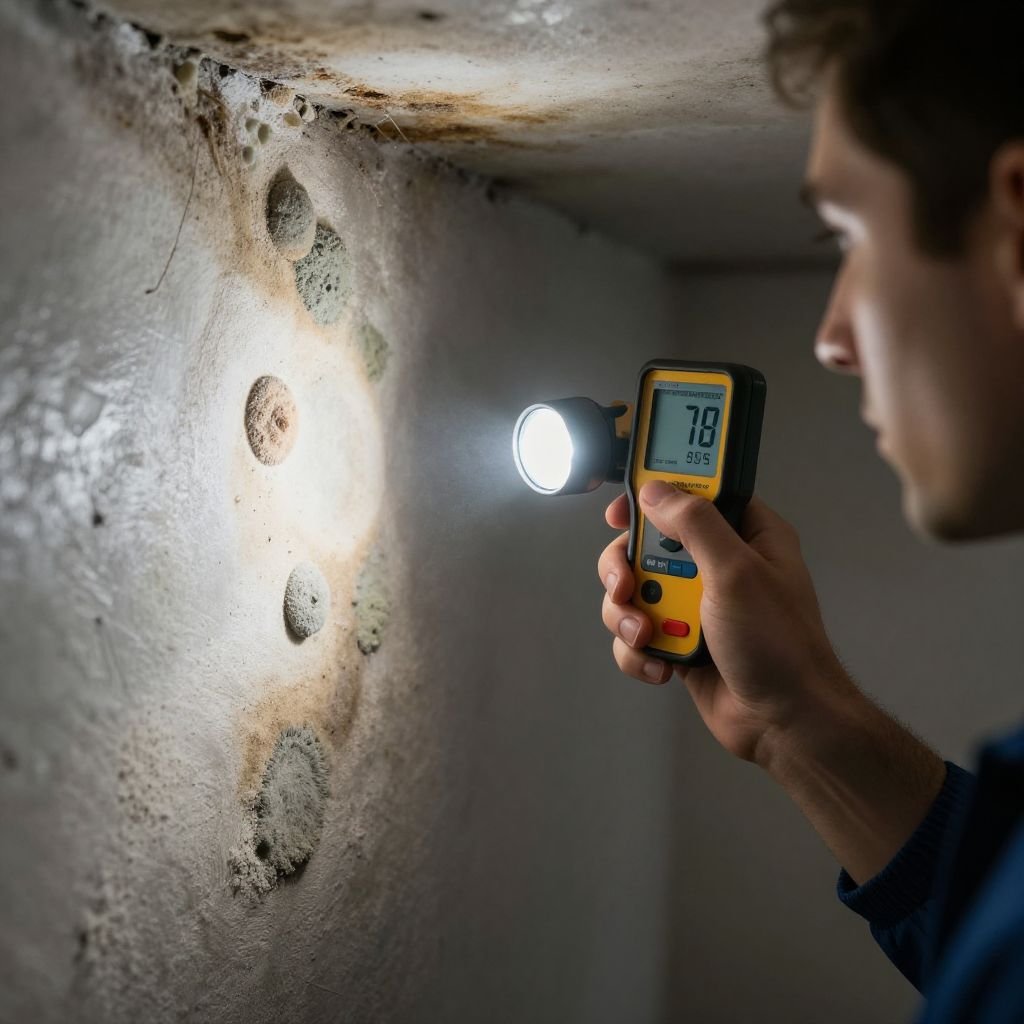
Initial Assessment: A comprehensive inspection identifies moisture sources, documents affected materials, and determines containment needs. In Park City, this often reveals hidden issues in vacation homes left unoccupied during shoulder seasons, or in ski-in/ski-out properties with complex roof drainage.
Containment Setup: Technicians establish negative air pressure chambers using polyethylene sheeting and HEPA-filtered air scrubbers. This prevents cross-contamination to unaffected areas—particularly important in open-concept mountain homes.
Material Removal: Porous materials showing mold growth typically require removal and proper disposal. Non-porous surfaces undergo HEPA vacuuming and antimicrobial cleaning. The extent depends on contamination levels and substrate type.
Drying and Dehumidification: Industrial-grade equipment reduces moisture content to levels preventing regrowth. Park City's low humidity generally aids this phase, though heated indoor air during winter can mask residual moisture in building cavities.
Repairs and Restoration: Structural repairs return affected areas to pre-loss condition. Many Park City properties feature custom finishes requiring skilled carpentry for seamless restoration.
Verification Testing: Post-remediation inspection confirms successful completion. Some situations warrant independent air quality sampling before occupancy.
Available Mold Remediation Services
Service providers in the Park City area typically offer specialized solutions matching local property types and owner needs.
Residential Mold Remediation: Complete services for single-family homes, townhouses, and condominiums throughout Park City limits, from Old Town historic properties to Empire Pass mountain modern builds. Includes emergency response for water damage events that precede mold growth.
Vacation Home Monitoring: Seasonal inspection programs designed for part-time residents. Scheduled checks during unoccupied periods catch leaks and humidity issues before mold establishes.
Commercial and Hospitality: Specialized protocols for hotels, restaurants, and rental properties requiring minimal business interruption. Fast turnaround maintains guest satisfaction during peak ski and summer seasons.
Crawl Space and Foundation Work: Encapsulation and moisture control for properties built into mountainsides with limited ventilation. Common in Deer Valley and Thaynes Canyon areas.
Attic Mold Remediation: Targeted service addressing ice dam moisture, inadequate ventilation, and insulation complications prevalent in Park City's snow country.
Air Quality Testing: Independent assessment of indoor mold spore levels, useful for real estate transactions and health concern documentation.
Frequently Asked Questions
How does Park City's altitude affect mold growth?
While Park City's elevation brings lower average humidity, heated indoor spaces during long winters create temperature differentials that trap moisture in wall cavities. The intense UV at altitude can degrade exterior seals faster, allowing water intrusion. Mold ultimately needs moisture, organic material, and time—conditions that occur at any elevation when these factors align.
Should I be concerned about mold in my unoccupied vacation home?
Yes. Unattended properties face elevated risk from undetected leaks, failed sump pumps, or ice dam backups. Temperature setbacks to save energy can allow condensation. Consider smart home moisture monitors, regular property checks, or professional winterization services if your Park City home sits empty for extended periods.
Will my homeowner's insurance cover mold remediation in Park City?
Coverage varies significantly by policy and cause. Sudden, accidental water damage from burst pipes typically triggers coverage, while long-term maintenance issues often do not. Some insurers offer mold riders for additional premium. Document the water source promptly and contact your carrier immediately—waiting often complicates claims.