

How to Choose a Mold Remediation Professional in Nashville
Nashville's humid subtropical climate creates ideal conditions for mold growth throughout Davidson County. With average relative humidity hovering near 70% and frequent summer thunderstorms, homeowners and businesses face persistent moisture challenges that demand qualified remediation expertise.
When selecting a mold remediation professional in Nashville, prioritize Tennessee Department of Environment and Conservation (TDEC) compliance and proper licensing for contractors working in Davidson County. Verify that any company carries general liability insurance specifically covering mold-related work, as standard policies often exclude microbial contamination claims.
Look for professionals certified by the Institute of Inspection, Cleaning and Restoration Certification (IICRC) or the National Organization of Remediators and Mold Inspectors (NORMI). These credentials indicate training in containment protocols, air filtration, and proper disposal methods critical for Nashville's older housing stock—particularly in historic neighborhoods like Germantown, East Nashville, and The Gulch where building materials may contain asbestos or lead that complicate remediation.
Request documentation of previous Davidson County projects, particularly those involving similar building types. Nashville's commercial high-rises, mid-century ranch homes, and renovated industrial lofts each present distinct moisture dynamics. A reputable contractor should explain their approach to Nashville's specific challenges: crawl space humidity, basement seepage in hillslope properties, and HVAC condensation common in our variable seasonal temperatures.
What to Expect from Mold Remediation Services in Nashville
Professional mold remediation follows a structured protocol adapted to Tennessee's regulatory environment. Understanding this process helps property owners prepare and evaluate service quality.
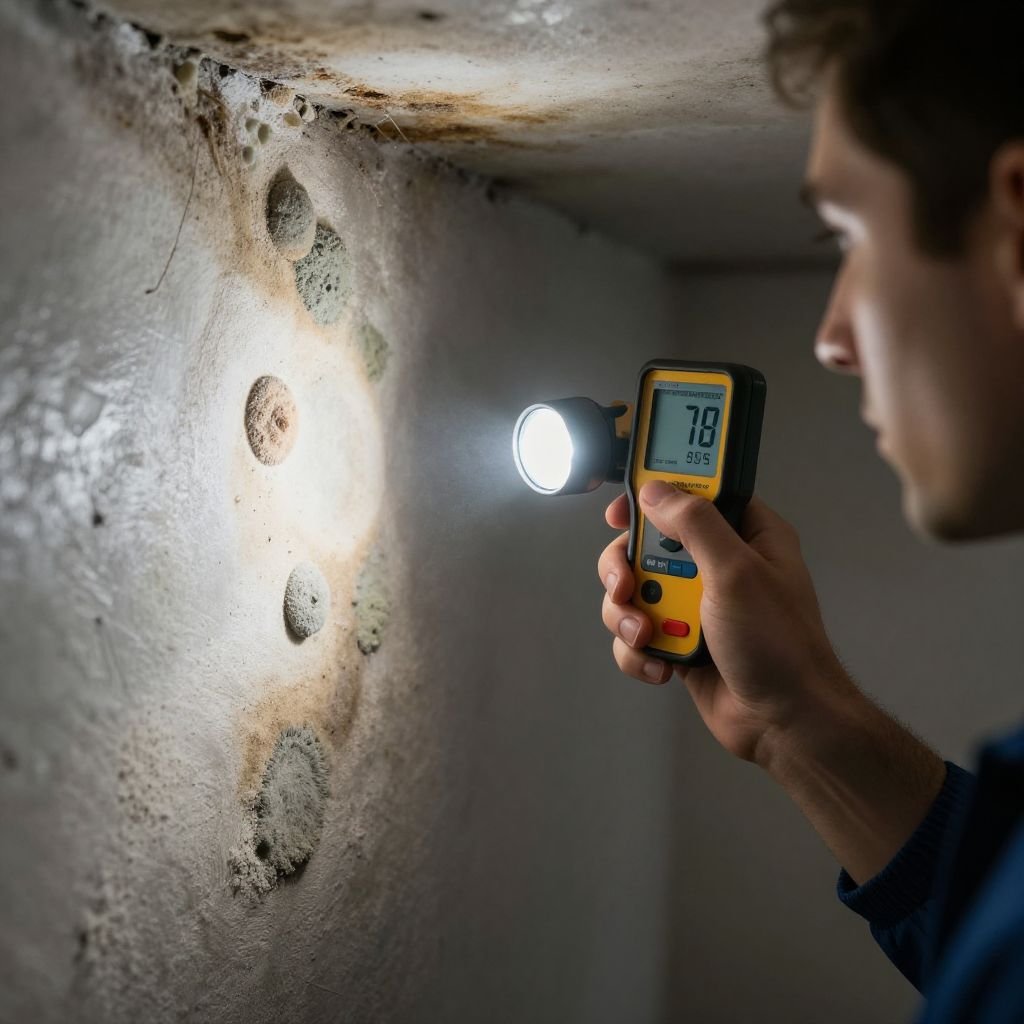
Assessment and Containment: Technicians begin with moisture mapping and air quality sampling to determine contamination extent. In Nashville, this frequently reveals hidden growth in crawl spaces beneath pier-and-beam foundations or within wall cavities compromised by driving rain. Containment barriers using negative air pressure prevent spore dispersal during removal.
Removal and Cleaning: Porous materials showing active growth—drywall, insulation, ceiling tiles—require removal and proper disposal per Davidson County waste regulations. Non-porous surfaces undergo HEPA vacuuming and antimicrobial treatment. Nashville's hard water can leave mineral deposits that complicate cleaning; experienced technicians account for this residue.
Drying and Restoration: Industrial dehumidification achieves moisture levels below 60% relative humidity, the threshold for mold prevention. Given Nashville's ambient humidity, this phase typically runs longer than drier climates demand. Final clearance testing confirms successful remediation before reconstruction begins.
Available Mold Remediation Services
Nashville providers offer specialized services addressing the region's distinctive needs:
- Residential Mold Remediation: Whole-home treatment for single-family residences, townhomes, and condominiums, with particular attention to crawl space encapsulation prevalent in Davidson County's older neighborhoods.
- Commercial Mold Abatement: Scalable solutions for Nashville's hospitality sector, healthcare facilities, and office buildings requiring minimal operational disruption.
- Water Damage Restoration: Emergency response following pipe bursts, foundation seepage, or storm damage—critical given Nashville's flash flood susceptibility along the Cumberland River watershed.
- HVAC Mold Cleaning: Duct and coil decontamination addressing the condensation issues endemic to our region's cooling-heavy climate.
- Preventative Moisture Control: Vapor barrier installation, sump pump systems, and dehumidification strategies tailored to Nashville's geological variations from limestone bedrock to alluvial floodplains.
Frequently Asked Questions About Mold Remediation in Nashville
How quickly should I address mold discovery in my Nashville home?
Immediate action is advisable. Nashville's humidity accelerates mold proliferation, with colonies potentially expanding significantly within 48-72 hours of moisture exposure. Delay also increases structural damage risks and remediation costs.
Does homeowner's insurance cover mold removal in Tennessee?
Coverage varies considerably. Tennessee policies typically cover mold resulting from sudden, accidental water damage but exclude gradual leaks or maintenance-related moisture. Review your specific policy and document damage promptly for claims purposes.
Are there seasonal considerations for scheduling mold remediation in Nashville?
Spring and early summer present peak moisture challenges, though winter pipe freezes also generate significant claims. Remediation is feasible year-round, though exterior drying phases may require extended timing during humid months. Many homeowners schedule preventative inspections in fall before heating season condensation begins.