

Mold Remediation Services in Magnolia, AR
Magnolia's location in southwest Arkansas creates conditions where mold can thrive throughout the year. The combination of humid subtropical summers, seasonal rainfall, and older housing stock in Columbia County makes professional mold remediation a critical service for homeowners and businesses alike. Whether you're dealing with mold in a historic property near downtown Magnolia or a newer development near Southern Arkansas University, prompt remediation protects both your property value and your family's health.
Our certified technicians understand the specific challenges that Magnolia properties face. Columbia County's clay-heavy soils can lead to foundation moisture issues, while the region's frequent thunderstorms and occasional flooding create opportunities for water intrusion. We address not just visible mold growth but the underlying moisture problems that allow colonies to establish and spread.
Residential Mold Remediation for Magnolia Homes
Homes in Magnolia's established neighborhoods often contain building materials that can harbor mold when moisture conditions are right. We provide comprehensive residential services including attic mold removal, crawl space remediation, bathroom and kitchen mold treatment, and whole-house solutions following water damage events. Our containment protocols prevent cross-contamination during remediation, and our air scrubbing equipment restores healthy indoor air quality.
Commercial Mold Remediation
Businesses along North Jackson Street and throughout Magnolia's commercial districts rely on our discreet, efficient service. We work around your operating hours to minimize disruption, whether you manage retail space, office buildings, restaurants, or industrial facilities near the Magnolia Industrial Park. Proper documentation and clearance testing support insurance claims and regulatory compliance.
Emergency Water Damage and Mold Response
When storms sweep through Columbia County or plumbing failures occur, rapid response limits mold growth. Our 24/7 emergency team arrives equipped to extract water, deploy drying equipment, and begin mold prevention protocols immediately. Properties near Mud Lake or in low-lying areas of Magnolia particularly benefit from our flood damage expertise.
Frequently Asked Questions About Mold Remediation in Magnolia
How does Magnolia's climate affect mold growth in homes?
Magnolia experiences average humidity levels above 70% for much of the year, with summer months frequently exceeding 80%. This moisture in the air, combined with temperatures between 60-80°F, creates ideal conditions for mold spores to germinate and colonize. Homes without adequate ventilation or dehumidification are especially vulnerable, and the temperature differences between conditioned interiors and humid exterior air can cause condensation on surfaces.
Should I be concerned about mold if my home has never flooded?
Absolutely. While flooding is an obvious cause, most mold problems in Magnolia homes stem from much subtler moisture sources: slow plumbing leaks inside walls, roof damage from wind or hail, poor bathroom ventilation, crawl space humidity, or foundation seepage during heavy rains. Even normal household activities like cooking and showering generate moisture that can cause problems without proper exhaust. We recommend annual inspections, particularly for homes built before modern moisture-barrier standards were common in Columbia County.
What should Magnolia property owners do if they suspect mold but cannot see it?
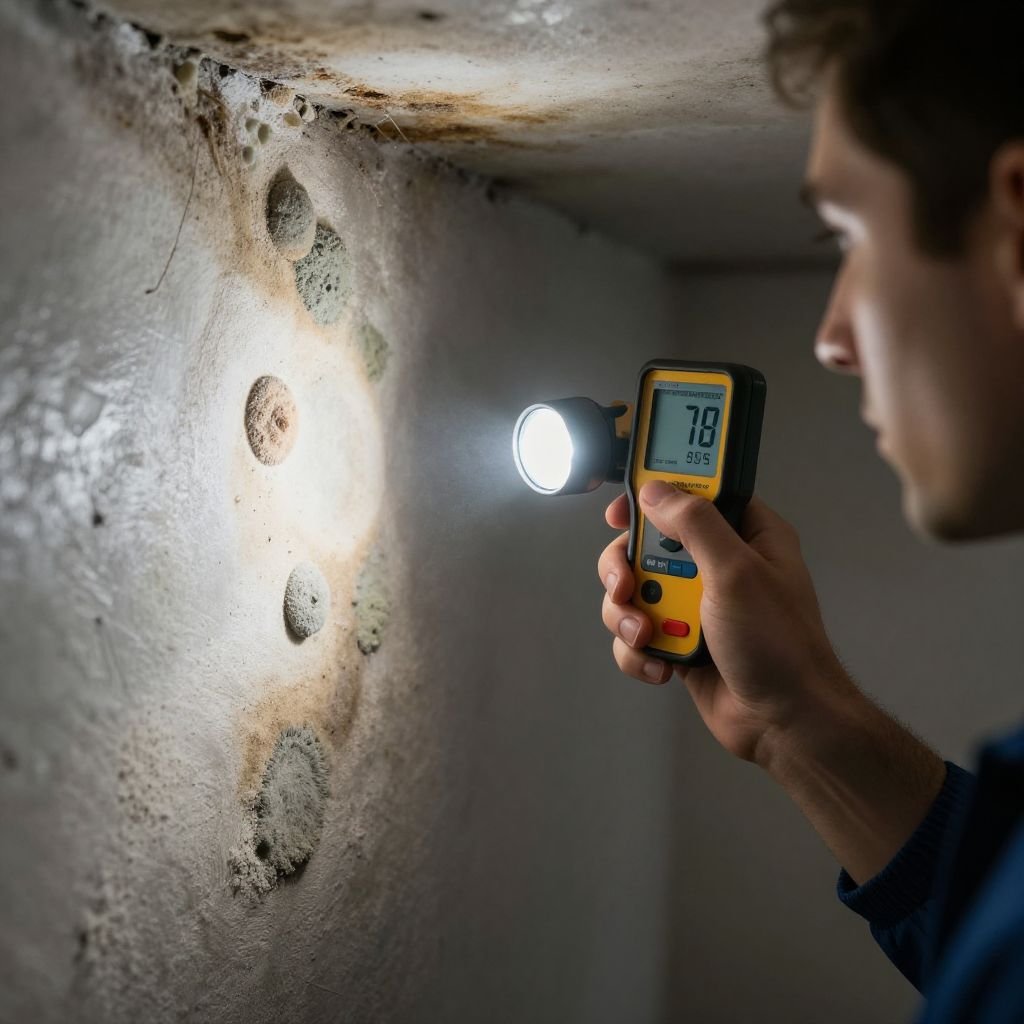
Musty odors, increased allergy symptoms, or unexplained health issues often indicate hidden mold growth. Avoid disturbing areas where mold may be present, as this releases spores into your air. Instead, contact our team for professional assessment. We use moisture meters, thermal imaging cameras, and air quality testing to locate concealed mold without unnecessary demolition. For Columbia County properties, we also understand local building practices and can identify common problem areas specific to our region's construction methods.