

Emergency Mold Remediation in Kingfisher
Mold doesn't wait for business hours, and neither do we. Our emergency mold remediation team serves Kingfisher residents and businesses around the clock, every day of the year. When water damage strikes or hidden mold colonies suddenly become visible, rapid response is critical to preventing structural damage and protecting your health.
We arrive fully equipped to contain active mold growth, remove contaminated materials, and begin drying protocols immediately. Our technicians understand Oklahoma's climate patterns— from spring tornadoes and flash flooding to summer humidity spikes— and how they create ideal conditions for mold proliferation in Kingfisher County homes and commercial properties.
Every minute counts during a mold emergency. Spores can spread through HVAC systems within hours, colonizing new areas and escalating remediation costs exponentially. Call us anytime for immediate dispatch to your Kingfisher location.
Common Urgent Mold Remediation Issues
Certain situations demand immediate professional intervention. Contact our emergency line without delay if you encounter any of the following:
Post-Storm Water Intrusion
Kingfisher County severe weather frequently causes roof damage, foundation seepage, and window failures. Standing water or saturated drywall beyond 24-48 hours almost guarantees mold establishment. We extract moisture and treat affected areas before colonies take hold.
Sewage Backup Contamination
Category 3 water damage introduces dangerous pathogens alongside toxic black mold varieties. Never attempt DIY cleanup— specialized containment, PPE protocols, and antimicrobial treatments are mandatory.
Visible Black or Colored Growth
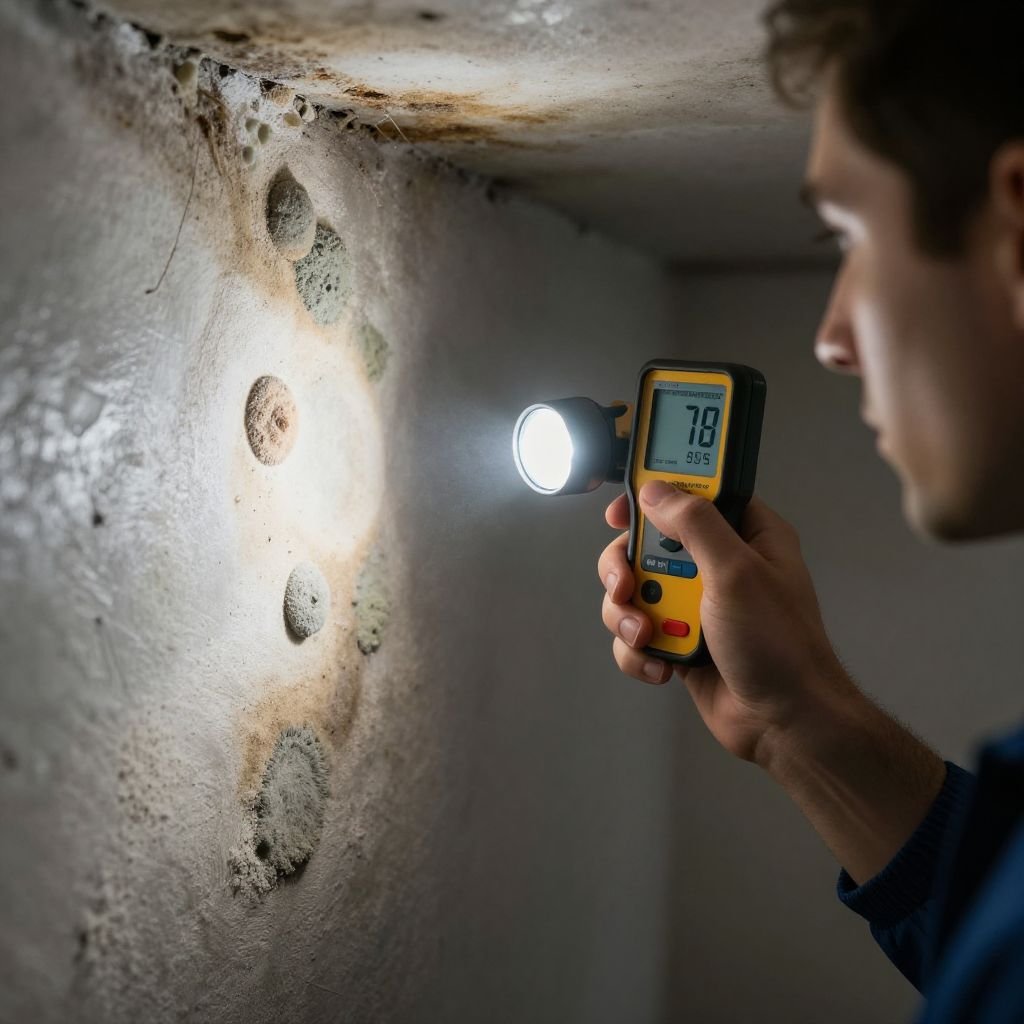
Discolored patches spreading across walls, ceilings, or flooring indicate established colonies releasing spores. Disturbing these areas without proper containment worsens contamination throughout your property.
Persistent Musty Odors
Unexplained earthy smells often signal hidden mold behind walls, under flooring, or within crawl spaces. Our detection equipment locates concealed growth without unnecessary demolition.
HVAC System Contamination
Musty air from vents suggests mold colonization in ductwork— actively distributing spores into every room. Immediate system shutdown and professional remediation prevent widespread exposure.
Full Mold Remediation Services
We provide comprehensive mold solutions tailored to Kingfisher's residential, agricultural, and commercial structures:
- Emergency Response & Assessment — 24/7 dispatch with rapid moisture mapping and containment
- Air Quality Testing — Spore count analysis and species identification by certified laboratories
- Containment & Negative Air Pressure — Isolation barriers preventing cross-contamination during removal
- HEPA Filtration — Industrial-grade air scrubbers capturing 99.97% of airborne particles
- Demolition & Removal — Safe extraction of non-salvageable porous materials
- Antimicrobial Treatment — EPA-registered agents eliminating residual spores on surfaces
- Structural Drying — Desiccant dehumidification and targeted air movement protocols
- Crawl Space & Foundation Repair — Vapor barrier installation and moisture control solutions
- HVAC Decontamination — Duct cleaning, coil treatment, and system sanitization
- Post-Remediation Verification — Clearance testing confirming successful mold elimination
- Insurance Documentation — Detailed photo evidence, moisture logs, and scope reports
Our process follows IICRC S520 standards and EPA guidelines, ensuring thorough remediation that protects property values and occupant health.
Serving Kingfisher and Kingfisher County
Our service territory encompasses all of Kingfisher County, with particular focus on communities throughout the region. From historic downtown Kingfisher properties near the Chisholm Trail to rural homesteads and agricultural operations scattered across the countryside, we understand local building practices and environmental conditions.
Kingfisher's location in Oklahoma's Red Bed Plains creates specific challenges— expansive clay soils stress foundations, allowing moisture intrusion; older homes feature limited ventilation; and seasonal humidity fluctuations stress building envelopes. Our remediation strategies account for these regional factors.
We maintain rapid response capabilities throughout the county, including areas near Cashion, Dover, Hennessey, and Loyal. Whether you're dealing with basement seepage in a century-old farmhouse or humidity-driven growth in a modern commercial facility, our technicians arrive prepared with appropriate equipment and expertise.
Distance never compromises our response standards. Rural Kingfisher County properties receive identical emergency prioritization as in-town locations, with fully stocked vehicles eliminating delays for material procurement.
Frequently Asked Questions
How quickly can you respond to mold emergencies in Kingfisher?
Our emergency team typically arrives within 60-90 minutes of your call for Kingfisher city addresses, and within 2 hours for outlying Kingfisher County locations. We maintain 24/7 availability including holidays, because mold growth accelerates continuously without intervention.
Is mold remediation covered by homeowners insurance in Oklahoma?
Coverage depends on your policy and the mold's origin. Sudden, accidental water damage—like burst pipes or storm damage—is typically covered, while long-term maintenance issues usually aren't. We document everything thoroughly and work directly with adjusters to maximize your legitimate claim benefits.
Can I stay in my home during mold remediation?
For contained, limited growth in isolated areas, partial occupancy may be possible with containment barriers in place. Extensive contamination, toxic species identification, or HVAC involvement generally requires temporary relocation. We assess each situation individually and prioritize your family's safety.
How do you prevent mold from returning after remediation?
Successful prevention requires eliminating moisture sources, not just visible mold. We identify and address underlying causes—foundation cracks, inadequate ventilation, plumbing leaks, or drainage issues—then implement moisture control measures. Our post-remediation recommendations help maintain a dry environment hostile to mold recurrence.