

How to Choose a Mold Remediation Professional in Kansas City
Finding the right mold remediation professional in Kansas City, Kansas requires understanding what distinguishes qualified contractors in Wyandotte County. The region's location along the Missouri River, combined with humid continental climate patterns, creates conditions where mold thrives in basements, crawl spaces, and older housing stock common in neighborhoods like Argentine, Armourdale, and Piper.
When evaluating remediation specialists, verify proper licensing through the Kansas Department of Health and Environment. Kansas does not require a specific mold license, but reputable contractors carry general contracting credentials and liability insurance specific to environmental remediation work. Ask for proof of IICRC certification (Institute of Inspection, Cleaning and Restoration Certification), which indicates training in proper containment, air filtration, and removal protocols.
Local experience matters significantly in Wyandotte County. Contractors familiar with Kansas City's building codes and the common construction methods in homes built during the city's industrial expansion—many featuring balloon framing and plaster walls—can identify hidden moisture pathways that out-of-area companies might miss. Request references from recent projects in zip codes 66101 through 66115, particularly properties near the Kansas River where groundwater issues persist.
Avoid contractors who offer mold testing and remediation together without third-party verification. Ethical professionals in Kansas City partner with independent environmental consultants for pre- and post-remediation assessment, ensuring objective documentation for insurance claims and property records.
What to Expect from Mold Remediation Services in Kansas City
Professional mold remediation follows a structured protocol adapted to Kansas City's specific environmental challenges. Understanding this process helps property owners prepare and recognize quality work.
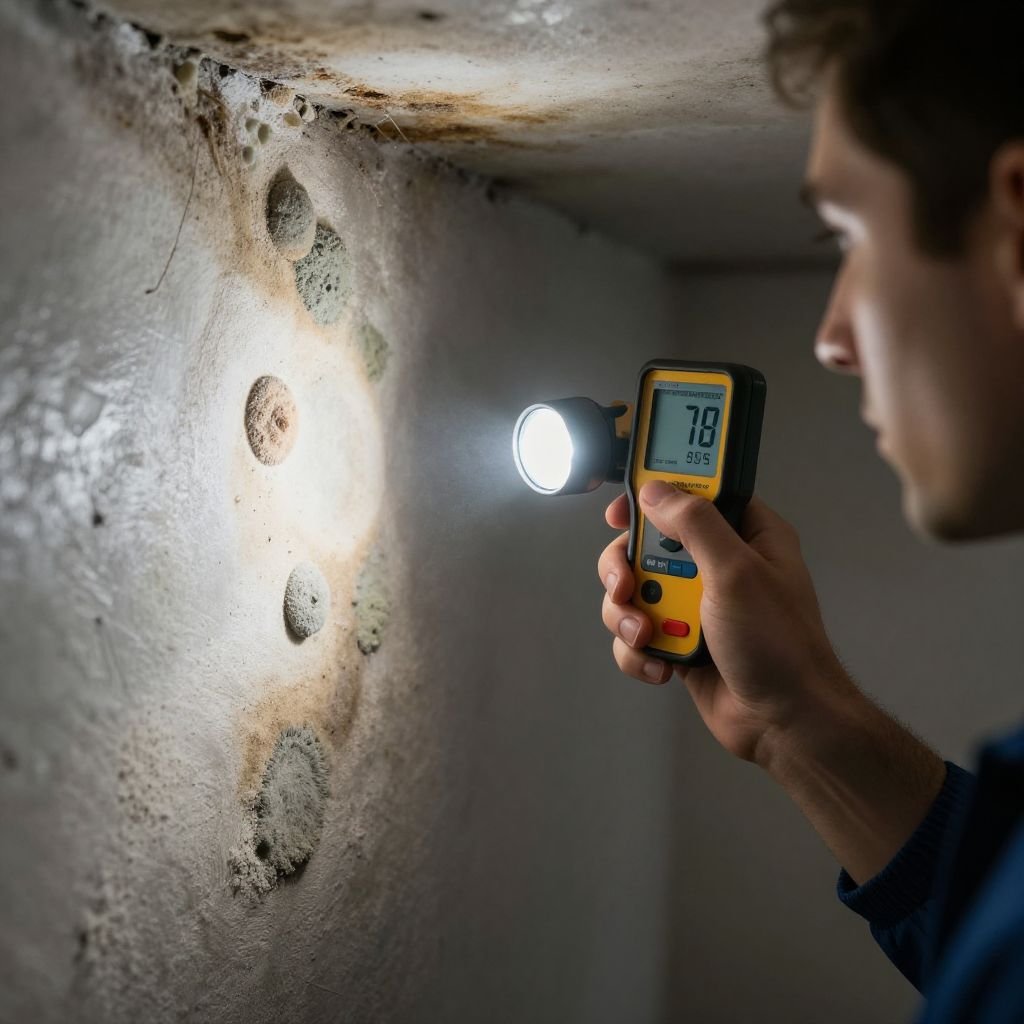
Initial Assessment and Containment: Technicians begin with moisture mapping using thermal imaging cameras, particularly important in Wyandotte County's older homes where plumbing may run through uninsulated exterior walls. Containment barriers of polyethylene sheeting isolate affected areas, with negative air pressure machines preventing spore migration to clean zones.
Removal and Cleaning: Porous materials like drywall, insulation, and carpet padding showing visible mold growth require removal and proper disposal at licensed Kansas facilities. Non-porous surfaces undergo HEPA vacuuming and antimicrobial treatment. In Kansas City's historic districts near Strawberry Hill or Rosedale, contractors must balance thorough remediation with preservation of original architectural elements.
Drying and Dehumidification: Industrial-grade dehumidifiers and air movers address residual moisture. Given Kansas City's average summer humidity exceeding 70%, this phase typically extends 48-72 hours with continuous moisture monitoring.
Verification and Prevention: Post-remediation clearance testing confirms spore counts return to acceptable levels. Quality contractors then identify and recommend repairs for moisture sources—whether foundation cracks common in clay-heavy Wyandotte County soils, improper grading, or ventilation deficiencies in attics and crawl spaces.
Available Mold Remediation Services
Kansas City property owners can access comprehensive remediation solutions tailored to residential, commercial, and industrial settings throughout Wyandotte County.
Residential Mold Remediation: Complete services for single-family homes, duplexes, and apartments, including basement waterproofing integration, crawl space encapsulation, and HVAC decontamination. Specialized protocols address black mold (Stachybotrys) and less visible species like Aspergillus and Penicillium common in Kansas City's variable climate.
Commercial and Industrial Remediation: Scaled services for warehouses along Kaw Drive, healthcare facilities, and manufacturing sites requiring minimal business disruption. These projects emphasize containment engineering and after-hours scheduling to maintain operations.
Emergency Water Damage Response: 24-hour availability for burst pipes, sewer backups, and storm flooding events that precede mold colonization. Rapid response within 24-48 hours significantly reduces secondary damage in Kansas City's flood-prone areas near Turkey Creek and the Missouri River.
Preventive Inspections and Maintenance: Annual moisture assessments for property managers and homeowners seeking proactive protection, particularly valuable before Wyandotte County's spring storm season.
Frequently Asked Questions
How quickly can mold grow after water damage in Kansas City?
In Kansas City's humid climate, mold colonies can establish within 24-48 hours of moisture intrusion. Summer conditions with temperatures above 80°F accelerate growth significantly. Immediate water extraction and drying are critical for prevention.
Does homeowners insurance cover mold remediation in Kansas City, KS?
Coverage depends on the moisture source. Sudden, accidental water damage from burst pipes typically qualifies. Gradual leaks, maintenance neglect, or flooding from outside sources generally require separate flood insurance or out-of-pocket payment. Document everything and contact your adjuster promptly.
Is mold testing required before remediation in Wyandotte County?
Kansas does not mandate pre-remediation testing for private residences. However, testing by an independent consultant provides baseline documentation, identifies hidden mold, and supports insurance claims. Commercial properties and rental units often require testing for tenant protection and liability management.
What health symptoms indicate mold exposure?
Common reactions include persistent coughing, nasal congestion, throat irritation, headaches, and worsening asthma. Immunocompromised individuals may develop more serious respiratory infections. If symptoms improve when leaving the property, environmental testing becomes particularly warranted.
How long does professional mold remediation typically take?
Small, contained projects finish in 1-3 days. Moderate residential remediation requiring material removal spans 3-7 days. Extensive commercial projects or whole-house situations in Kansas City's larger historic properties may require 1-2 weeks, with drying time being the primary variable.