

Common Mold Remediation Problems in Jeffersonville
Jeffersonville homeowners face distinct mold challenges shaped by our location along the Ohio River in Clark County. The combination of river valley humidity, seasonal flooding, and aging housing stock creates conditions where mold thrives—often unnoticed until it becomes a serious problem.
Flooding and water intrusion rank among the most pressing concerns. When the Ohio River rises or heavy storms overwhelm drainage systems, Jeffersonville's low-lying neighborhoods experience basement seepage and crawl space saturation. Standing water beneath homes breeds mold within 24-48 hours, spreading through floor joists and into living spaces above.
Historic home vulnerabilities compound the issue. Many Jeffersonville properties date to the late 1800s and early 1900s, featuring original plaster, balloon framing, and limited vapor barriers. These construction methods trap moisture and provide organic material for mold colonization—particularly Stachybotrys (black mold) and Aspergillus species that flourish in cellulose-rich environments.
Residents also struggle with summer humidity control. From June through September, Clark County regularly sees dew points above 65°F. Without adequate dehumidification, attics and poorly ventilated bathrooms become incubators for surface mold that releases spores into HVAC systems, affecting whole-home air quality.
Finally, delayed discovery worsens outcomes. Mold behind wallpaper, inside wall cavities, or beneath vinyl flooring often escapes detection until occupants experience persistent respiratory symptoms, musty odors, or visible staining—by which point remediation costs have multiplied significantly.
How We Help Jeffersonville Homeowners
Our approach centers on rapid response, thorough assessment, and lasting prevention tailored to Clark County's specific environmental conditions.
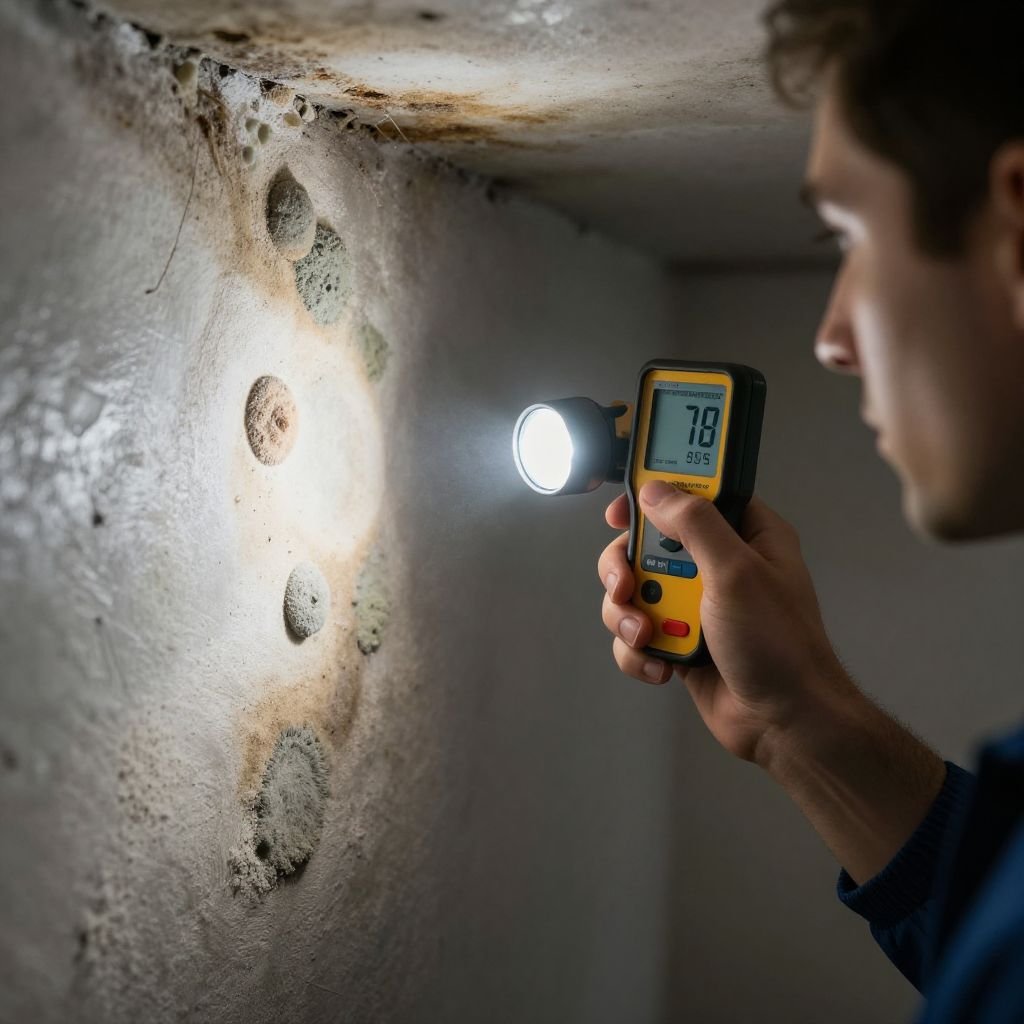
We begin with moisture mapping and infrared inspection to identify hidden water sources—not just visible mold. This technology reveals trapped moisture in Jeffersonville's common construction types, from lath-and-plaster walls to pier-and-beam foundations.
Containment and negative air pressure systems prevent cross-contamination during removal. Given the interconnected ductwork in many Jeffersonville homes, this step protects unaffected areas from spore dispersal. We follow IICRC S520 standards for professional mold remediation, documenting each phase for insurance purposes.
Post-remediation, we address source elimination—repairing the moisture problems that enabled mold growth initially. This might mean improving crawl space drainage, installing sump pumps, upgrading attic ventilation, or recommending whole-home dehumidification sized for our river valley climate.
Mold Remediation Services Available in Jeffersonville
- Inspection and testing — Air and surface sampling with laboratory analysis to identify species and concentration levels
- Basement and crawl space remediation — Specialized treatment for below-grade moisture issues common near the Ohio River
- Attic mold removal — Addressing ventilation failures and roof leaks in older Jeffersonville housing stock
- HVAC decontamination — Cleaning ductwork and air handling units contaminated by spore dispersal
- Structural drying and water damage restoration — Emergency response following flooding or pipe failures
- Preventative encapsulation — Crawl space sealing and vapor barrier installation for long-term moisture control
- Post-remediation verification — Clearance testing to confirm successful remediation before reconstruction begins
Mold Remediation Pricing in the Jeffersonville Area
Costs vary considerably based on mold extent, location, and underlying moisture repairs needed. Jeffersonville homeowners typically encounter the following ranges:
Small, contained areas (bathroom ceiling, isolated closet): $500–$1,500 for professional remediation when caught early.
Moderate infestations (crawl spaces, partial basement walls, attic sections): $2,000–$5,000, often including moisture source correction and preventative measures.
Extensive contamination (whole-home HVAC involvement, structural materials requiring removal, historic properties with plaster damage): $5,000–$15,000+. These projects demand comprehensive containment, possible temporary relocation during work, and reconstruction coordination.
Homeowners insurance may cover sudden water damage events but typically excludes mold resulting from long-term maintenance neglect. We provide detailed documentation to support legitimate claims and offer financing options for out-of-pocket remediation investments.
Free inspections help Jeffersonville residents understand their specific situation before committing to treatment—early assessment often prevents the exponential cost increases of delayed action.
Frequently Asked Questions
How quickly can mold grow after flooding in Jeffersonville?
Mold colonization begins within 24-48 hours of water exposure. Given Jeffersonville's humidity, prompt water extraction and structural drying within this window is critical to prevent established growth.
Is black mold common in Jeffersonville homes?
Stachybotrys chartarum appears in Clark County properties with chronic water intrusion, particularly flooded basements and leaking roofs. Its presence requires professional remediation due to mycotoxin concerns, though many mold species present health risks and should be addressed regardless of color.
Can I handle mold removal myself?
DIY treatment is generally safe for areas under 10 square feet on hard surfaces. However, Jeffersonville's older homes often conceal extensive hidden mold; improper disturbance releases spores and worsens contamination. Professional assessment prevents costly missteps.
Will mold return after remediation?
Recurrence is prevented only when moisture sources are eliminated. Our Jeffersonville protocols include source correction—whether drainage improvements, ventilation upgrades, or plumbing repairs—backed by post-remediation verification testing.