

Mold Remediation Services in Harrisburg, NC
Harrisburg sits in the heart of Cabarrus County, where clay-heavy soils, seasonal humidity swings, and rapid residential growth create distinct mold challenges for homeowners. Whether you live in a well-established neighborhood near Harrisburg Town Center or a newer development along Rocky River Road, understanding your mold remediation options protects both your property value and your family's health.
Our team provides comprehensive mold remediation tailored to Harrisburg's specific conditions. From initial assessment through final clearance testing, we address the full scope of contamination rather than treating surface symptoms alone.
Why Harrisburg Homes Face Unique Mold Risks
Several factors make Harrisburg properties particularly susceptible to mold growth:
- Expansive clay soil: The shrink-swell behavior of local soils can stress foundations, creating entry points for groundwater and subsequent crawl space moisture.
- Construction pace: Fast-tracked building in growing subdivisions sometimes means materials get exposed to rain before enclosure, embedding moisture within wall cavities.
- Aging infrastructure: Older homes near the historic downtown may have inadequate vapor barriers or deteriorating plumbing that goes unnoticed until mold appears.
- Proximity to water: Properties near Rocky River tributaries or with lower elevation grades experience higher water tables and seasonal flooding concerns.
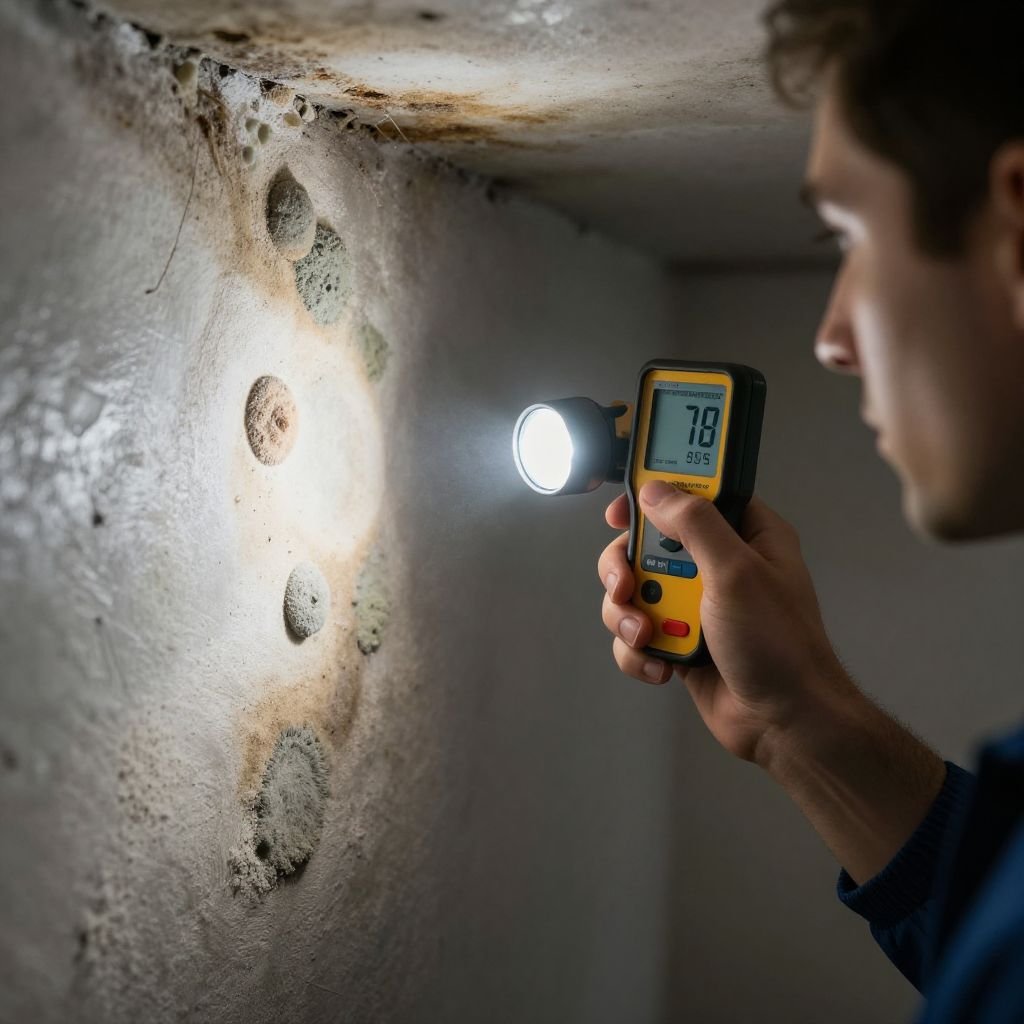
We account for these variables during inspection, using moisture mapping and thermal imaging to identify hidden problems before recommending a remediation strategy.
Neighborhoods and Property Types We Serve
Our Harrisburg coverage extends throughout the town and surrounding Cabarrus County areas, including:
- Single-family homes in subdivisions like Harrisburg Crossing and The Legends at Harrisburg
- Ranch-style properties and townhomes near Robinson Road and Highway 49 corridors
- Custom builds on larger lots in northern Harrisburg toward the Stanly County line
- Commercial properties and multi-family units along the business district
Each property type demands different containment and drying approaches. A townhome with shared walls requires coordinated protocols with neighboring units, while sprawling rural properties may need specialized equipment for adequate air filtration across larger square footage.
Our Harrisburg Mold Remediation Process
Assessment and Documentation
We begin with a thorough visual inspection, moisture readings, and air quality sampling when appropriate. Documentation supports insurance claims and provides baseline measurements for verifying remediation success.
Containment and Air Filtration
Active mold colonies release spores during disturbance. We establish negative air pressure containment zones using HEPA-filtered equipment, preventing cross-contamination to unaffected areas of your home.
Removal and Cleaning
Porous materials with significant growth—drywall, insulation, carpet padding—get removed and properly disposed. Semi-porous and hard surfaces undergo HEPA vacuuming and antimicrobial treatment appropriate for the material type.
Drying and Moisture Control
Remediation fails if underlying moisture persists. We identify and address sources: repairing leaks, improving drainage, installing vapor barriers, or recommending dehumidification systems sized for your specific crawl space or basement.
Clearance Verification
Post-remediation testing confirms spore counts return to acceptable levels, with results provided in writing for your records.
Frequently Asked Questions About Mold Remediation in Harrisburg
How quickly can mold become a serious problem in Harrisburg homes?
Mold can begin growing within 24 to 48 hours of moisture exposure. In Harrisburg's humid summer months, when relative humidity regularly exceeds 70%, this timeline compresses further. By the time you notice visible growth or musty odors, the colony has likely been established for weeks. Prompt response to water intrusion—whether from plumbing leaks, foundation seepage, or storm damage—significantly reduces remediation scope and cost.
Will my homeowner's insurance cover mold remediation in Cabarrus County?
Coverage varies significantly by policy and cause. Most standard policies cover mold remediation when it results from a covered peril—sudden pipe bursts, storm damage, or appliance failures. They typically exclude mold from long-term maintenance issues, ongoing leaks, or flooding without specific riders. We document everything thoroughly and work directly with adjusters to maximize legitimate coverage, though we recommend reviewing your specific policy exclusions with your agent.
Can I just clean mold myself with bleach?
Chlorine bleach is generally ineffective against mold on porous surfaces like wood framing or drywall—it kills surface growth while leaving hyphae embedded in the material, and the water content can actually feed deeper colonization. DIY approaches also lack proper containment, risking spore dispersal throughout your HVAC system. For areas exceeding 10 square feet, or when mold involves HVAC components, professional remediation following EPA and IICRC standards protects both effectiveness and your health.
How do I prevent mold from returning after remediation?
Lasting prevention requires controlling moisture at its sources. For Harrisburg properties, this commonly means: sealing crawl space vents and installing vapor barriers, ensuring bathroom and kitchen exhaust vents terminate outside (not into attics), maintaining indoor humidity between 30-50%, addressing grading and gutter issues that direct water toward foundations, and scheduling annual plumbing inspections. We provide specific recommendations based on your property's unique vulnerabilities following each remediation.