

How to Choose a Mold Remediation Professional in Greenville
Finding the right mold remediation specialist in Greenville means looking beyond basic credentials. Pitt County's humid subtropical climate creates unique challenges—summers bring heavy moisture from the Tar River basin, while older homes near the Uptown district and historic districts often harbor hidden mold behind plaster and original woodwork.
When evaluating contractors, verify they hold North Carolina-specific certifications for mold remediation. The state requires proper licensing for projects involving more than 25 contiguous square feet of mold. Ask specifically about their experience with Greenville's housing stock, from mid-century ranch homes in the Forest Hills area to newer constructions near East Carolina University's expanding campus.
Local knowledge matters significantly. Professionals familiar with Pitt County understand how seasonal flooding along the Tar River affects basement and crawl space moisture patterns. They should also demonstrate relationships with local inspectors and understand Greenville's building permit requirements for remediation projects. Request references from recent jobs in neighborhoods like Westhaven, Brook Valley, or the historic Jarvisburg area.
Insurance coordination is another critical factor. Reputable Greenville contractors work directly with homeowners' policies and understand how North Carolina's mold coverage limitations apply to Pitt County residents. Always confirm they carry both general liability and pollution-specific coverage before work begins.
What to Expect from Mold Remediation Services in Greenville
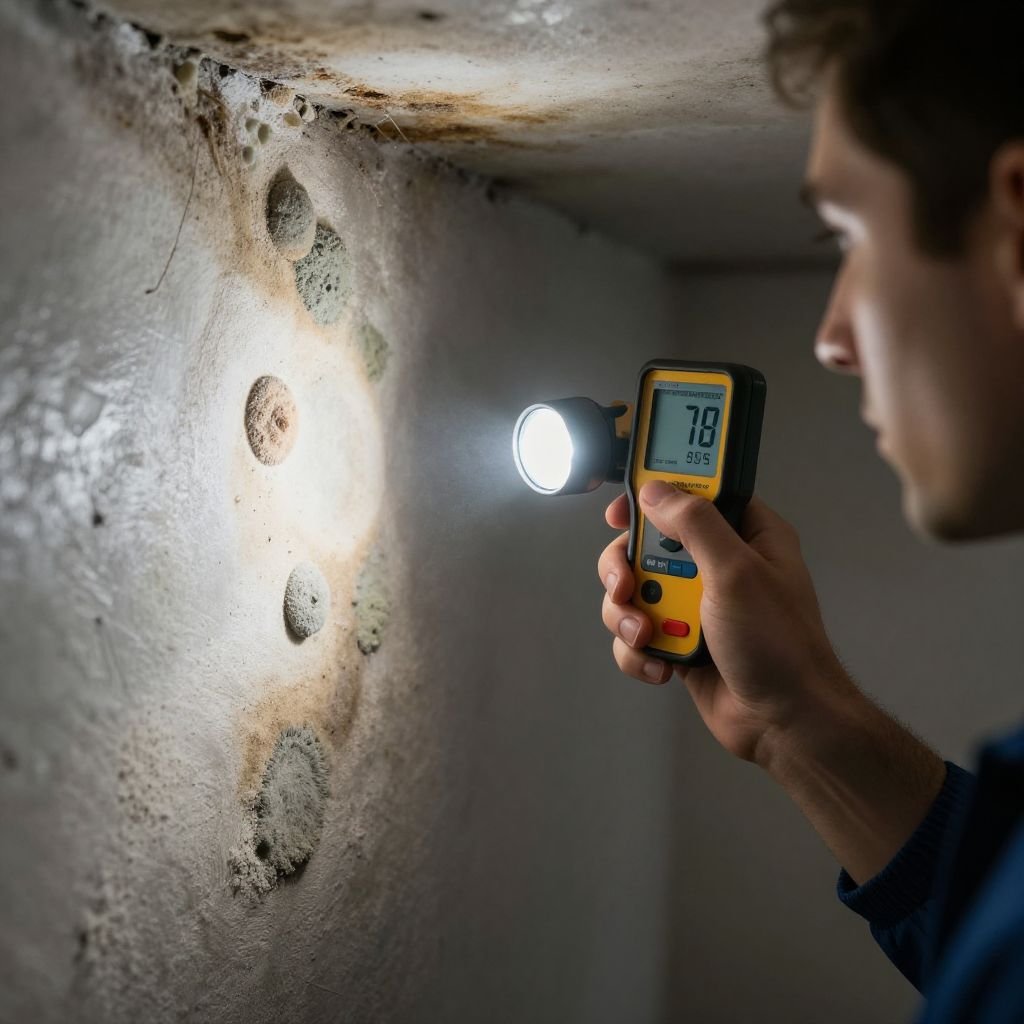
The mold remediation process follows established protocols adapted to local conditions. Initial assessment typically involves moisture mapping and air quality sampling, particularly important in Greenville where outdoor humidity regularly exceeds 80% during summer months.
Containment comes first—technicians seal affected areas with polyethylene barriers and establish negative air pressure to prevent spore migration. This step proves especially crucial in older Greenville homes with interconnected ductwork systems. HEPA filtration runs continuously throughout the project.
Removal methods vary by surface and contamination level. Non-porous materials receive thorough cleaning with antimicrobial solutions. Porous materials like drywall, insulation, and carpet typically require complete removal and proper disposal per Pitt County waste regulations. For historic properties near the downtown corridor, contractors may employ gentler techniques to preserve original features when feasible.
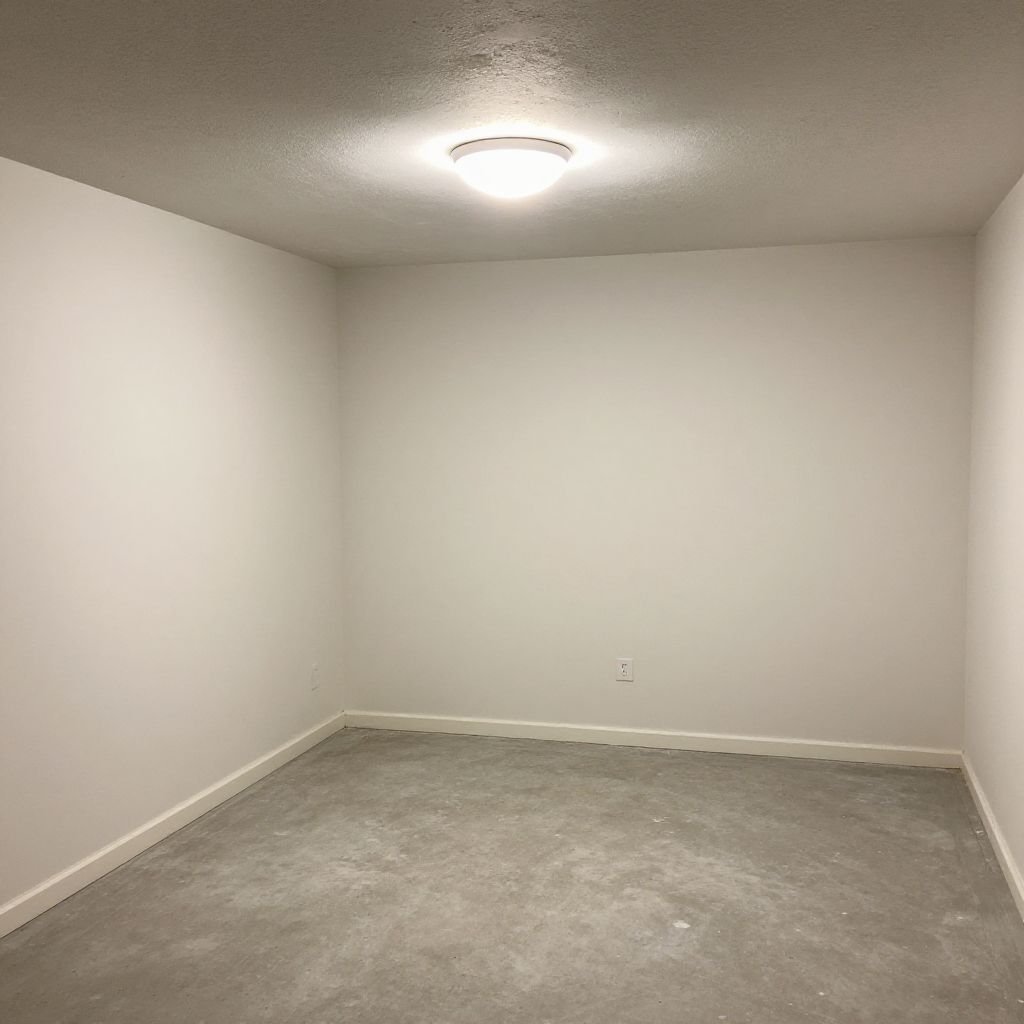
Structural drying follows removal, using commercial dehumidifiers and air movers sized for Greenville's climate. Post-remediation verification includes visual inspection and air sampling to confirm spore counts return to acceptable levels. The final phase addresses moisture sources—whether poor crawl space ventilation, foundation seepage, or HVAC condensation common in our region.
Available Mold Remediation Services
Greenville residents can access comprehensive mold solutions tailored to residential and commercial needs. Standard services include attic mold remediation, where roof leaks and inadequate ventilation create ideal growth conditions during our muggy summers. Crawl space encapsulation addresses the chronic moisture problems plaguing homes throughout Pitt County's low-lying areas.
Basement remediation ranks among the most requested services, particularly for properties near the Tar River floodplain. Water damage restoration pairs naturally with mold work, covering burst pipes, appliance failures, and storm damage. HVAC mold cleaning targets the ductwork and air handling units that distribute spores throughout living spaces.
Commercial offerings extend to office buildings near the medical district, retail spaces, and multi-family housing. Emergency services operate around the clock for situations requiring immediate intervention, such as post-hurricane flooding or significant water intrusion events.
Preventative consultations help homeowners identify risk factors before mold develops. These assessments prove valuable for real estate transactions, property management turnover, and seasonal preparation.
Frequently Asked Questions
How quickly can mold remediation start in Greenville?
Most Pitt County providers offer assessment within 24-48 hours. Emergency services for active water damage typically respond same-day. Standard scheduling depends on seasonal demand, with faster availability during drier fall and winter months.
Will my homeowner's insurance cover mold remediation in North Carolina?
North Carolina policies vary considerably. Coverage usually applies when mold results from a covered peril—sudden pipe bursts, storm damage, or accidental overflow. Long-term moisture issues or maintenance neglect typically fall outside standard policies. Document everything and contact your carrier promptly.
How long does mold remediation take for a typical Greenville home?
Contained areas of 100 square feet or less often resolve in 3-5 days. Whole-house situations or extensive crawl space work may extend to 1-2 weeks. Dwell time depends on contamination severity, material types affected, and how quickly underlying moisture sources can be corrected.