

Mold Remediation Services in Grand Rapids, MN
Grand Rapids sits at the heart of Minnesota's lake country, surrounded by hundreds of lakes and the dense forests of Itasca County. While this natural beauty draws residents and visitors alike, the same abundant water and wooded landscape creates persistent moisture challenges for property owners. Seasonal flooding from the Mississippi River headwaters, heavy spring snowmelt, and humid summer months all contribute to conditions where mold thrives in basements, crawl spaces, and older homes throughout the community.
Local architecture in Grand Rapids reflects its logging heritage and mid-century development, with many properties featuring unfinished basements, fieldstone foundations, and limited vapor barriers. These structural characteristics demand specialized remediation approaches that account for northern Minnesota's extreme temperature swings and extended heating seasons. Professional mold remediation here requires understanding how buildings breathe through long winters and how ice damming, frozen pipe bursts, and spring thaw cycles create repeated moisture intrusion.
Common Mold Problems in Itasca County Properties
Homes and businesses near Pokegama Lake, Trout Lake, and the countless smaller bodies of water face elevated humidity and groundwater pressure. Basements in these areas frequently develop Cladosporium and Penicillium on concrete and framing, while poorly ventilated cabins and seasonal properties may harbor Aspergillus during months of vacancy. The UPM Blandin paper mill and related industrial areas also see commercial mold concerns in aging facilities with complex HVAC systems.
Winter compounds these issues uniquely. Ice dams force water under shingles and into wall cavities. Frost buildup in attics from interior moisture migration creates hidden mold reservoirs. When homeowners discover staining or musty odors after months of closed-up buildings, the underlying problem often spans multiple seasons of accumulated damage.
What Professional Remediation Includes
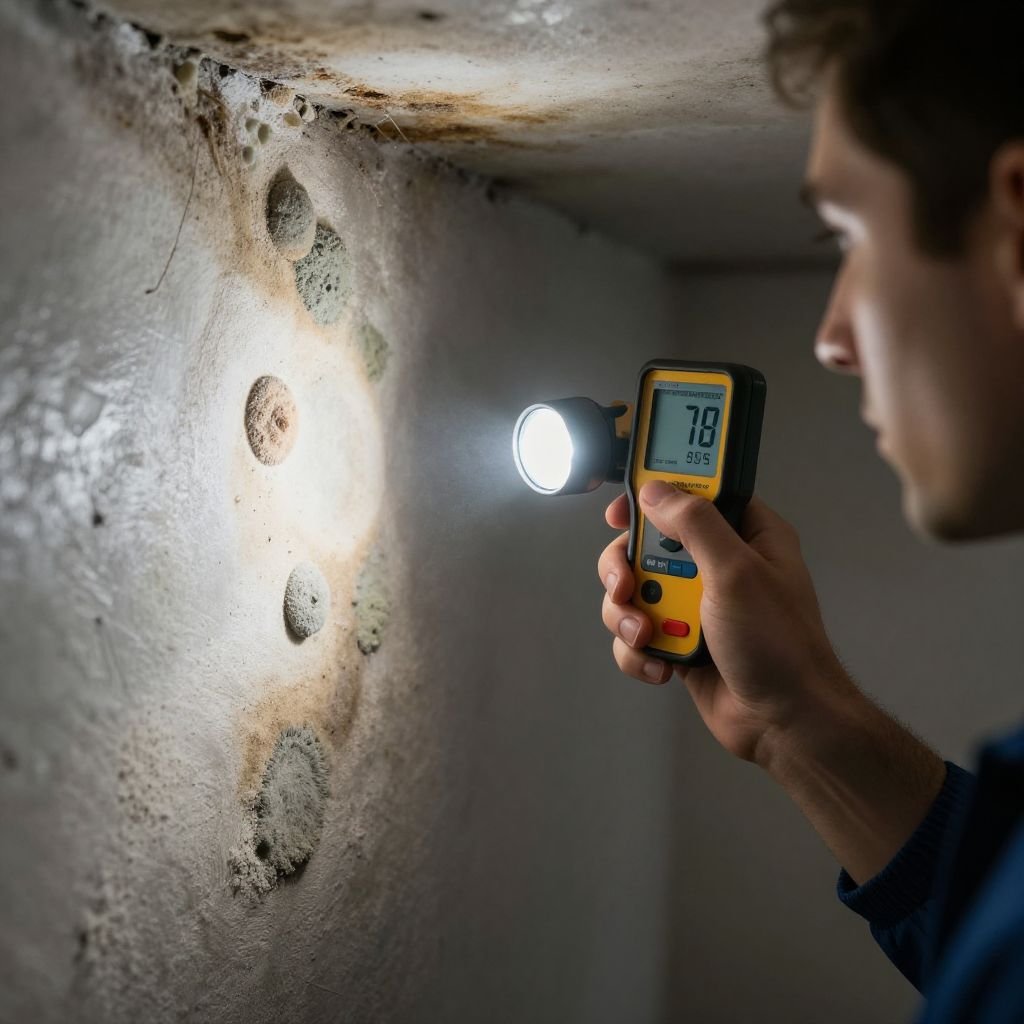
Effective mold remediation in Grand Rapids follows containment protocols suited to the contamination extent and building type. Technicians establish negative air pressure, remove compromised porous materials, treat semi-porous surfaces with appropriate antimicrobial agents, and verify clearance through visual inspection and air sampling. Critical to lasting results is identifying and resolving the moisture source—whether basement seepage, failed grading, plumbing leaks, or inadequate ventilation.
Post-remediation, properties benefit from humidity control strategies specific to northern climates. This includes proper sizing of dehumidification equipment for below-grade spaces, air sealing to prevent warm moist air from contacting cold surfaces, and ventilation adjustments that account for heating season length.
Frequently Asked Questions
How does Grand Rapids' lake country environment affect mold growth?
The high water table, numerous lakes, and dense tree cover surrounding Grand Rapids maintains elevated ambient humidity throughout warmer months. Properties with poor drainage or aging foundations absorb this moisture, while shaded lots dry slowly after rain. Combined with Minnesota's significant indoor-outdoor temperature differentials, these conditions create continuous condensation risks on cool basement walls and pipes during spring and fall transition periods.
Should I be concerned about mold in my seasonal cabin near Grand Rapids?
Seasonal properties face distinct mold vulnerabilities. Extended vacancy prevents early detection, while winterization failures or rodent-damaged ventilation can introduce moisture unseen for months. Cabins with dirt crawl spaces or minimal foundation insulation are particularly susceptible. Annual pre-season inspections, proper winterization including dehumidifier drainage, and moisture monitoring during vacancy periods significantly reduce risk. If you discover mold upon opening, professional assessment helps determine whether localized cleaning or comprehensive remediation is warranted.
What makes mold remediation different in older Grand Rapids homes?
Many Grand Rapids properties built during the logging boom and mid-20th century expansion feature materials and construction methods that complicate remediation. Plaster and lath walls, balloon framing without firestopping, and minimal attic insulation create pathways for mold spread and hidden reservoirs. Fieldstone foundations weep seasonally and resist conventional waterproofing. Asbestos-containing materials may be present in older flooring, insulation, or joint compounds, requiring additional safety protocols during disturbance. Experienced remediation contractors evaluate these factors before work begins and adjust containment, removal, and restoration strategies accordingly.