

Common Mold Remediation Problems in Goshen
Goshen homeowners face distinct mold challenges shaped by Orange County's climate and the area's mix of historic and newer construction. Seasonal humidity swings, freeze-thaw cycles, and aging infrastructure create conditions where mold thrives—often undetected until health symptoms or structural damage appear.
Basement Moisture and Foundation Seepage
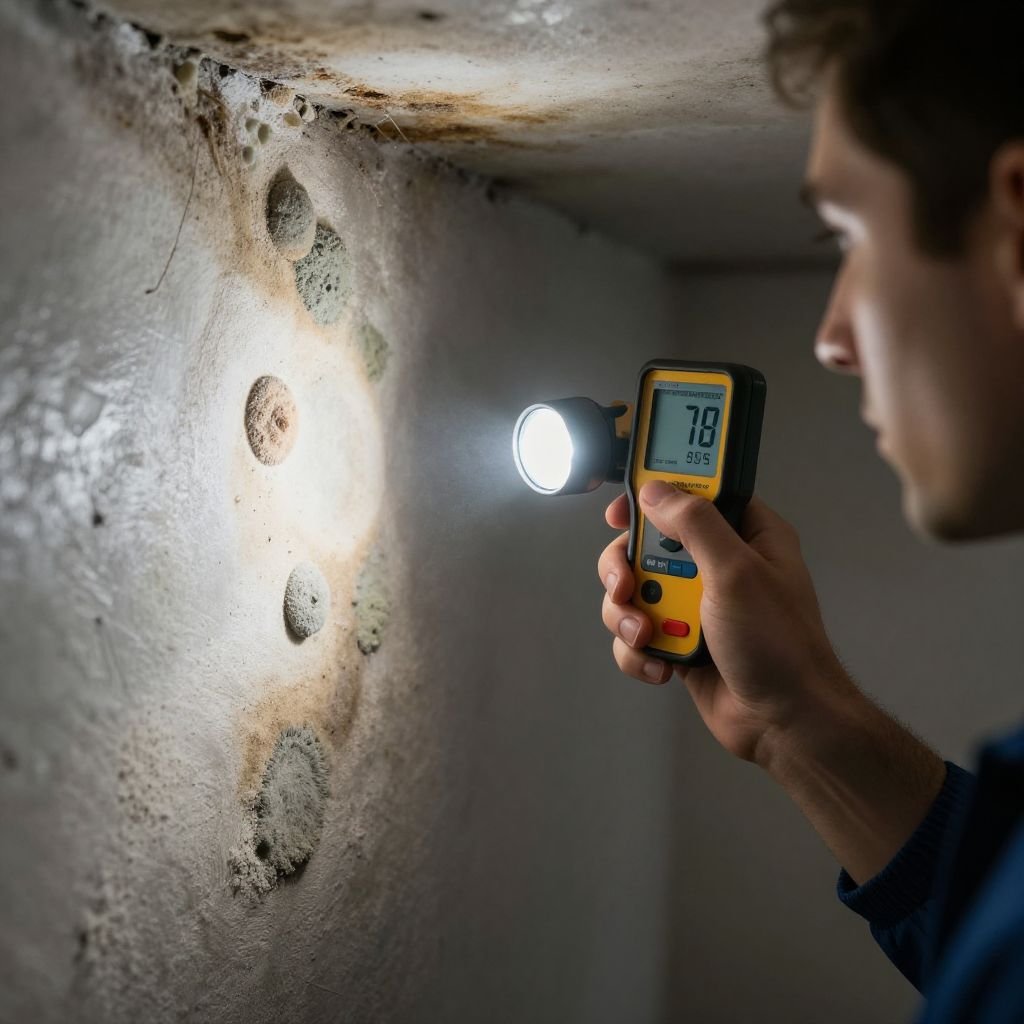
Many Goshen homes, particularly those near the Wallkill River watershed or with older stone foundations, experience chronic basement dampness. Hydrostatic pressure pushes water through foundation cracks, and without proper drainage, basements become breeding grounds for Aspergillus, Penicillium, and Stachybotrys. Residents often notice musty odors in spring after snowmelt or following heavy summer thunderstorms that saturate the clay-heavy Orange County soil.
HVAC-Related Mold Spread
Forced-air systems in Goshen's colonial-era homes and converted farmhouses frequently harbor mold in ductwork. When humid outdoor air meets cooled interior surfaces, condensation forms inside vents. The system then distributes spores throughout living spaces, causing respiratory issues that homeowners mistakenly attribute to seasonal allergies.
Attic Mold from Insulation Failures
Improperly vented attics in Goshen's cape cod and ranch-style homes trap moisture. Ice dam damage in winter, combined with insufficient airflow, leads to sheathing mold that compromises roof integrity. By the time dark staining appears on ceiling drywall, the colony has typically spread extensively across the attic deck.
Post-Flooding Contamination
Goshen's position in the Wallkill Valley makes certain properties vulnerable to flash flooding. Even after visible water recedes, moisture remains trapped in wall cavities, under flooring, and within insulation. Without professional drying and remediation, mold colonizes within 24–72 hours, creating long-term habitability concerns.
How We Help Goshen Homeowners
Our approach addresses the root causes of mold problems rather than merely treating surface symptoms. We begin with comprehensive moisture mapping using infrared thermal imaging and hygrometric testing to identify hidden water intrusion paths that Goshen's varied architecture often conceals.
For historic homes near Goshen's village center, we implement containment strategies that protect original plaster, wide-plank flooring, and period woodwork during remediation. Our technicians use negative air pressure systems and HEPA filtration to prevent cross-contamination while preserving irreplaceable architectural features.
We coordinate directly with Orange County building officials when permits are required, and we provide documentation for insurance claims related to covered water damage events. Post-remediation, we establish customized moisture management plans—whether that means recommending foundation waterproofing, bathroom exhaust upgrades, or crawl space encapsulation specific to your property's vulnerabilities.
Mold Remediation Services Available in Goshen
- Inspection and Air Quality Testing — Certified mold assessment with laboratory analysis of air and surface samples
- Containment and Removal — Full-scale remediation following IICRC S520 standards, including demolition of non-salvageable materials
- HVAC and Duct Cleaning — Mechanical system decontamination with antimicrobial treatment
- Structural Drying and Dehumidification — Commercial-grade drying equipment for water-damaged properties
- Odor Elimination — Ozone and hydroxyl treatment for persistent musty smells
- Preventative Encapsulation — Crawl space and basement sealing to block moisture entry
- Post-Remediation Verification — Clearance testing with third-party lab confirmation
Mold Remediation Pricing in the Goshen Area
Costs vary based on contamination extent, affected materials, and accessibility constraints common in Goshen's older homes. Minor contained issues, such as limited bathroom mold behind fixtures, typically range from $1,200–$2,500. Moderate basement or attic remediation involving drywall removal and structural drying generally falls between $3,000–$7,500.
Extensive whole-house situations—often following prolonged leaks or flooding in larger Orange County properties—can exceed $10,000, particularly when HVAC systems require cleaning or historic materials demand specialized restoration techniques. We provide detailed written estimates after inspection, with line-item breakdowns so Goshen homeowners understand exactly what remediation entails before work begins.
Most standard homeowner policies cover mold remediation when it results from a sudden, covered water event, though long-term maintenance-related mold typically falls outside policy terms. We assist with documentation to maximize eligible claim benefits.
Frequently Asked Questions
How quickly can mold become a serious problem in a Goshen home?
Mold can begin colonizing within 24–48 hours of moisture introduction. In Goshen's humid summer climate, visible growth often appears within one week of a leak or flooding event. Prompt water extraction and professional drying significantly reduce remediation scope and cost.
Will mold remediation damage my historic home's original features?
Our technicians are trained in preservation-sensitive techniques. We use controlled demolition, specialized HEPA vacuuming, and targeted antimicrobial application to protect plaster, millwork, and other historic elements while fully eliminating contamination.
Is mold in my crawl space dangerous if I never go down there?
Yes. Stack effect draws air from lower building levels into living spaces, distributing spores and mycotoxins throughout your home. Crawl space mold also attracts pests and can compromise floor joist integrity over time.
How do I know if remediation was successful?
We recommend post-remediation verification by an independent third-party inspector. This includes visual assessment, moisture readings, and air sampling compared to outdoor baseline levels. We do not self-clear our own work.
Can I stay in my home during mold remediation?
For contained, limited areas, residents often remain with containment barriers in place. Whole-house or toxic mold situations typically require temporary relocation. We discuss occupancy decisions during project planning based on contamination type and remediation scope.