

How to Choose a Mold Remediation Professional in Glenwood
Selecting the right mold remediation company in Glenwood requires careful consideration of local factors unique to Mills County. The Missouri River Valley's humidity patterns and seasonal flooding history mean mold issues here often differ from drier inland areas.
First, verify Iowa state licensing and any Mills County permits required for remediation work. Reputable professionals carrying IICRC certification (Institute of Inspection, Cleaning and Restoration Certification) demonstrate commitment to industry standards. Ask specifically about experience with river valley moisture issues—Glenwood's proximity to the Missouri River creates basement and crawl space conditions that demand specialized knowledge.
Request documentation of general liability and pollution insurance. Mold remediation carries distinct risks; standard contractor policies may exclude microbial contamination coverage. Local references from Glenwood or nearby Council Bluffs-area properties carry more weight than out-of-state testimonials.
Finally, demand written containment protocols. Proper isolation prevents spore dispersal during removal—critical in Glenwood's older homes with interconnected HVAC systems common in historic Mill County neighborhoods.
What to Expect from Mold Remediation Services in Glenwood
Professional mold remediation follows a structured protocol, though Glenwood's river-influenced climate may extend certain phases.
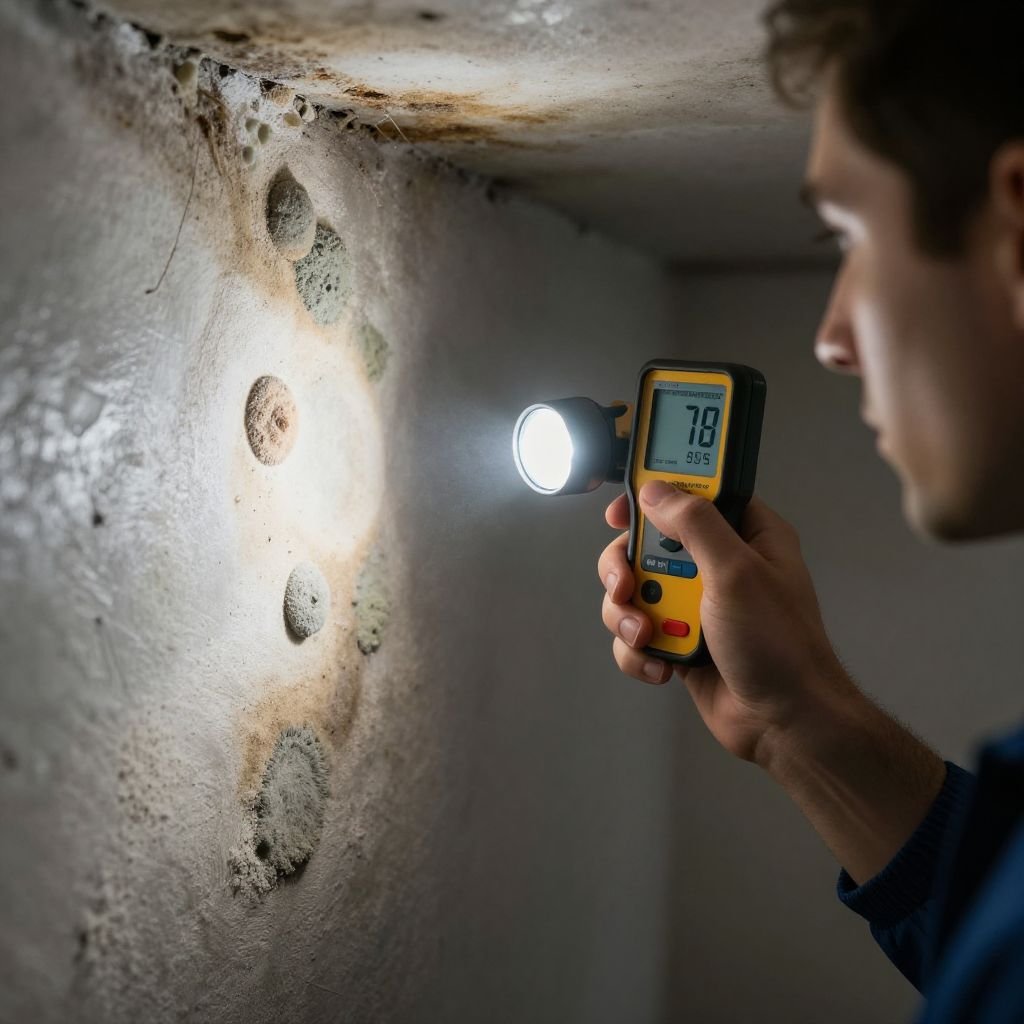
Assessment and testing begins every project. Technicians inspect visible growth, measure moisture levels in building materials, and often collect air samples for lab analysis. In Mills County, inspectors particularly scrutinize below-grade spaces where groundwater pressure pushes moisture through foundation walls.
Containment establishment follows—physical barriers with negative air pressure prevent cross-contamination. This step proves especially vital in Glenwood's tighter-knit residential areas where homes sit close together, risking neighbor exposure if spores escape.
Removal and cleaning addresses affected materials. Porous items like drywall and insulation typically require disposal; non-porous surfaces undergo HEPA vacuuming and antimicrobial treatment. The process generates significant debris—confirm your contractor handles Mills County waste disposal requirements, particularly for materials potentially containing asbestos in pre-1980 Glenwood homes.
Drying and moisture control completes remediation. Without resolving underlying humidity, mold returns. Expect recommendations for dehumidification, drainage improvements, or vapor barriers suited to Glenwood's soil conditions and seasonal water table fluctuations.
Available Mold Remediation Services
Glenwood residents can access comprehensive remediation solutions tailored to local building stock and environmental conditions.
- Basement and crawl space remediation — Addressing the most common mold locations in Mills County river-town properties
- Attic mold removal — Tackling ventilation-related growth from Iowa's humid summers and ice dam winters
- Post-flood restoration — Emergency response when Missouri River flooding or storm events inundate Glenwood properties
- HVAC decontamination — Cleaning ductwork that distributed spores throughout older homes with original furnace systems
- Preventative moisture control — Installing sump pumps, drainage systems, and humidity management for long-term protection
- Commercial remediation — Serving Glenwood's downtown businesses and Mills County agricultural operations with minimal disruption
Many providers offer 24/7 emergency response for water damage that precedes mold growth—critical during spring snowmelt and summer thunderstorm seasons when Glenwood properties face greatest risk.
Frequently Asked Questions
How does Glenwood's location near the Missouri River affect mold risk?
The river valley creates higher ambient humidity and elevated groundwater tables, particularly in spring. Basements and crawl spaces face constant moisture pressure, making proactive dehumidification essential for Glenwood homeowners compared to properties on higher Iowa plains.
Will my homeowner's insurance cover mold remediation in Mills County?
Coverage varies significantly. Policies typically cover mold resulting from sudden, covered water damage (burst pipes, storm intrusion) but exclude gradual moisture issues or flooding. Given Glenwood's flood history, separate flood insurance through the NFIP may be necessary for river-adjacent properties.
How long does mold remediation take for a typical Glenwood home?
Most residential projects require 3-7 days, depending on contamination extent and drying requirements. Historic Mill County homes with plaster walls and limited ventilation may need additional time. Your contractor should provide a detailed timeline during initial assessment.