

How to Choose a Mold Remediation Professional in Gladewater
Finding qualified mold remediation help in Gladewater means looking beyond flashy advertising to verify real credentials that matter in Gregg County. Texas does not require a specific mold remediation license, so homeowners must be vigilant about vetting providers themselves.
Start by confirming the company carries general liability insurance and pollution liability coverage specifically for mold work. Ask whether technicians hold certifications from the Institute of Inspection, Cleaning and Restoration Certification (IICRC) or the National Organization of Remediators and Mold Inspectors (NORMI). These credentials indicate formal training in containment protocols, air filtration, and safe removal techniques.
Local experience in Gregg County matters considerably. Gladewater's mix of historic homes near downtown, ranch-style properties along Highway 80, and newer developments near Lake Gladewater each present distinct moisture and mold challenges. A provider familiar with East Texas humidity patterns, common foundation types, and seasonal weather fluctuations will diagnose problems more accurately than an out-of-area chain operation.
Request written protocols before signing any contract. Reputable professionals explain their containment strategy, how they'll protect unaffected areas, their disposal methods for contaminated materials, and what post-remediation verification they provide. Be cautious of anyone offering dramatically lower quotes without inspecting your property first—proper mold remediation requires labor-intensive containment and specialized equipment that cannot be shortcut safely.
What to Expect from Mold Remediation Services in Gladewater
Understanding the remediation process helps Gladewater homeowners prepare their households and set realistic timelines. While every project varies based on contamination scope, most professional engagements follow a structured sequence.
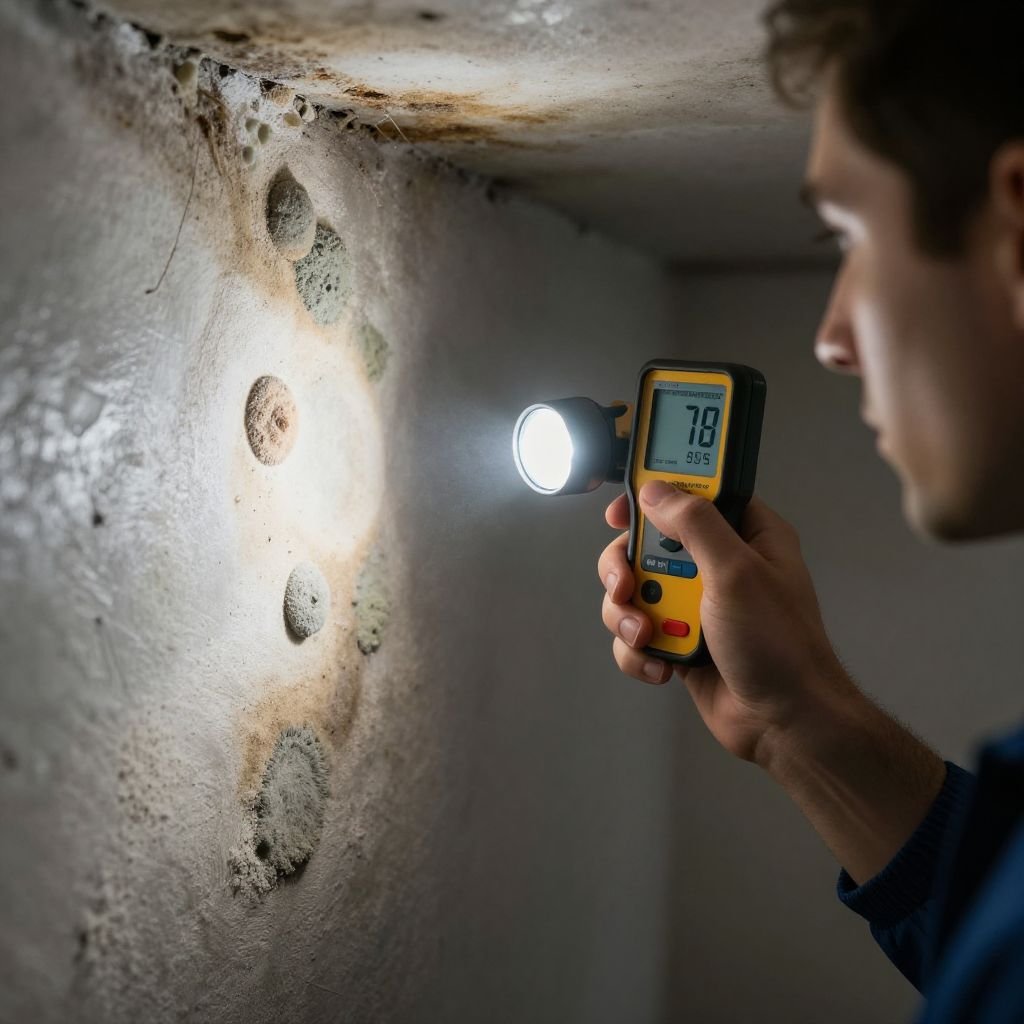
Initial Assessment and Testing — Technicians inspect visible mold, document moisture sources, and may collect air or surface samples for laboratory analysis. In Gladewater's humid climate, they particularly investigate crawl spaces, attics, and areas near plumbing fixtures where condensation accumulates.
Containment Setup — Before disturbing any mold growth, crews establish physical barriers using plastic sheeting and create negative air pressure with HEPA-filtered equipment. This prevents spores from migrating to clean areas of your home during removal.
Removal and Cleaning — Porous materials like drywall, insulation, and carpet padding showing mold growth typically require removal and proper disposal. Non-porous surfaces undergo HEPA vacuuming and antimicrobial treatment. The extent of demolition depends on how deeply mold has penetrated structural elements.
Drying and Dehumidification — Addressing moisture is non-negotiable for lasting results. Industrial dehumidifiers and air movers run until moisture readings confirm materials have returned to acceptable levels—crucial in Gladewater where ambient humidity often exceeds 70 percent.
Restoration and Verification — After remediation, reputable providers either perform reconstruction services or coordinate with trusted contractors. Final clearance testing confirms airborne spore counts have normalized before containment comes down.
Most contained residential projects in Gladewater complete within three to seven days, though widespread contamination or hidden damage may extend timelines.
Available Mold Remediation Services
Gladewater residents can access comprehensive mold solutions tailored to residential needs throughout Gregg County. Core services include:
- Residential Mold Inspection — Visual assessment, moisture mapping, and sampling to identify contamination extent and underlying causes.
- Containment and Air Filtration — Engineering controls that isolate affected zones and scrub airborne particles during active remediation.
- Structural Drying and Dehumidification — Targeted moisture elimination using commercial-grade equipment sized for East Texas humidity conditions.
- Mold Removal and Material Disposal — Safe extraction of contaminated building materials following Texas waste regulations.
- Antimicrobial Treatment — Application of EPA-registered products on salvageable surfaces to inhibit future growth.
- Post-Remediation Clearance Testing — Independent verification that indoor air quality has been restored to acceptable standards.
- Preventative Moisture Control — Installation of vapor barriers, improved ventilation systems, and recommendations for ongoing humidity management.
Emergency response services are available for situations involving sewage backups, storm damage, or visible mold spreading rapidly after water intrusion events.
Frequently Asked Questions
How does Gladewater's climate affect mold growth?
East Texas humidity creates ideal conditions for mold year-round, particularly during spring and summer when moisture levels peak. Homes near Lake Gladewater or with poor ventilation face elevated risk. Consistent indoor humidity control below 60 percent significantly reduces proliferation.
Will my homeowner's insurance cover mold remediation in Gregg County?
Coverage varies by policy and cause. Sudden, accidental water damage like burst pipes typically triggers coverage, while gradual leaks or maintenance neglect usually do not. Review your specific policy and document damage thoroughly before filing claims.
Can I handle small mold problems myself?
DIY approaches may suffice for very minor surface growth under ten square feet on non-porous materials, provided you address moisture sources and use proper protective equipment. Hidden mold, extensive contamination, or HVAC system involvement warrants professional intervention to protect health and prevent cross-contamination.
How do I prevent mold from returning after remediation?
Long-term prevention requires controlling moisture: repair leaks promptly, maintain gutters and drainage, ensure bathroom and kitchen ventilation, use dehumidifiers in damp spaces, and monitor indoor humidity. Annual inspections of vulnerable areas catch problems before they escalate.