

How to Choose a Mold Remediation Professional in Galesburg
Finding the right mold remediation specialist in Galesburg means looking beyond flashy advertising to verify credentials that actually matter in Knox County. Illinois does not require a separate mold license, so your due diligence becomes especially important.
Start by confirming the company carries proper Illinois EPA certification for asbestos and lead abatement—this indicates familiarity with regulated hazardous materials protocols. Ask whether technicians hold IICRC certifications (Institute of Inspection, Cleaning and Restoration Certification), specifically the WRT (Water Damage Restoration Technician) and AMRT (Applied Microbial Remediation Technician) designations. These credentials demonstrate formal training in containment, air filtration, and proper removal techniques.
Request proof of general liability insurance with pollution/mold-specific coverage, not just standard property damage protection. Knox County's mix of historic homes near Seminary Street, mid-century ranch houses, and newer construction near Lake Storey presents distinct challenges—experience with your specific building type matters significantly.
Local knowledge provides genuine advantages. Professionals familiar with Galesburg understand how seasonal humidity fluctuations affect mold growth patterns, recognize common issues in limestone foundation homes typical to older neighborhoods, and can respond quickly during emergencies without travel delays from Peoria or the Quad Cities. Verify they perform pre-remediation and post-remediation air quality testing using third-party laboratories rather than in-house equipment that creates conflicts of interest.
Finally, request detailed written estimates specifying containment procedures, disposal methods, and warranty terms. Reputable companies welcome questions about their process rather than pressuring immediate decisions.
What to Expect from Mold Remediation Services in Galesburg
Mold remediation follows a structured protocol regardless of whether you're dealing with basement moisture in a home near Lincoln Park or commercial water damage downtown. Understanding this process helps set realistic expectations.
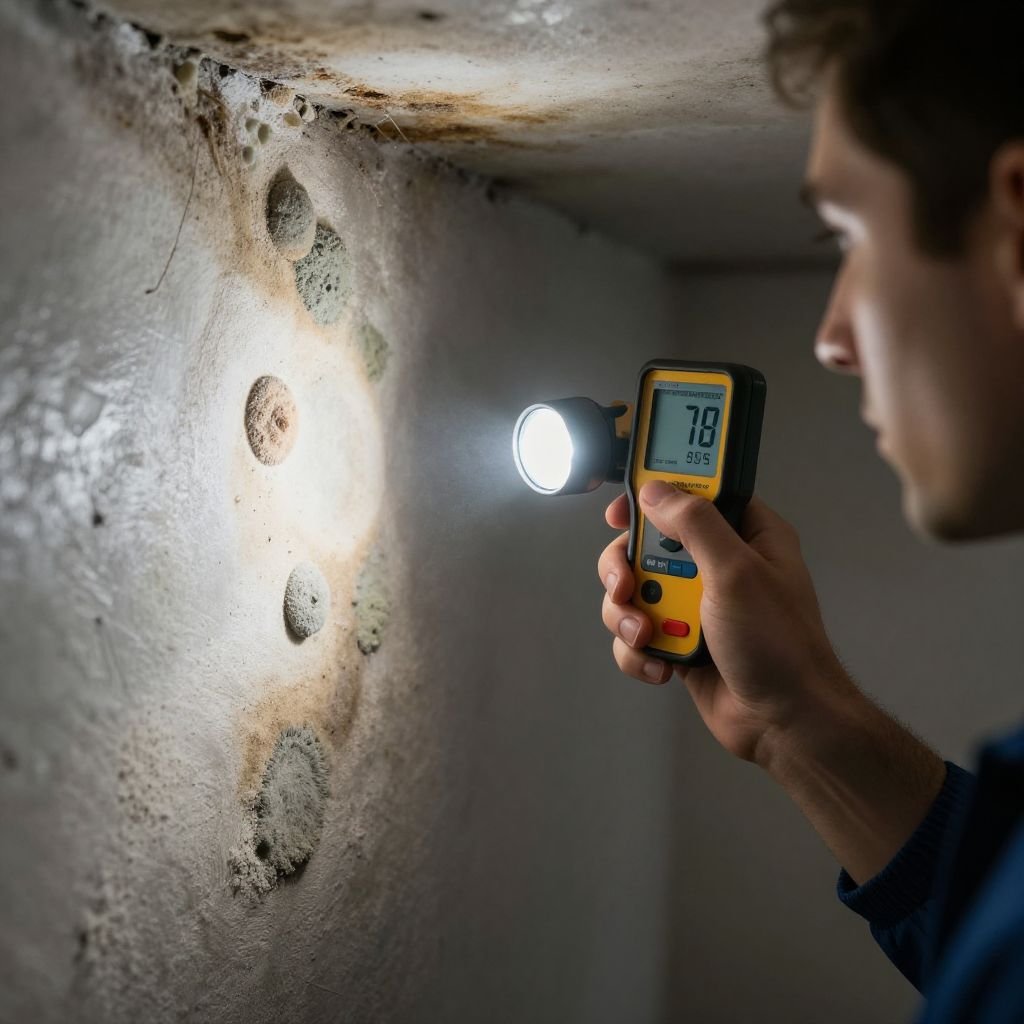
Inspection and assessment comes first. Technicians use moisture meters, infrared cameras, and sometimes air sampling to identify visible mold, hidden colonies, and underlying moisture sources. In Galesburg's climate, condensation in crawl spaces and foundation seepage after spring rains rank among the most common triggers.
Containment prevents spore dispersal. Heavy-duty polyethylene sheeting creates sealed work zones. Negative air machines with HEPA filtration maintain pressure differentials that keep contaminated air from escaping into clean areas of your property. This step proves especially critical in older homes with interconnected ductwork.
Removal and cleaning varies by material. Non-porous surfaces like metal, glass, and tile undergo HEPA vacuuming and antimicrobial treatment. Porous materials including drywall, insulation, carpeting, and ceiling tiles typically require complete removal and proper disposal per Illinois waste regulations. Attempting to "treat" heavily contaminated porous materials almost guarantees recurrence.
Drying and dehumidification addresses root causes. Industrial-grade dehumidifiers and air movers reduce moisture content to levels that inhibit regrowth. Without this step, mold returns regardless of how thoroughly visible contamination was removed.
Verification testing confirms success. Clearance sampling compares indoor spore counts to outdoor baseline levels, ensuring the environment meets acceptable standards before containment comes down. Reputable providers include this in their scope rather than treating it as an upsell.
Timeline expectations: minor, contained situations may resolve in 2-3 days. Widespread contamination requiring extensive demolition and reconstruction typically spans 5-10 business days.
Available Mold Remediation Services in Galesburg
Professional providers in the Galesburg area offer tiered solutions matching contamination severity and property type:
- Emergency mold response — 24/7 availability for water damage events requiring immediate intervention to prevent colonization, particularly critical during summer humidity spikes and winter pipe bursts.
- Residential mold remediation — Complete services for single-family homes, townhouses, and apartments, including historic properties requiring careful preservation approaches.
- Commercial and industrial remediation — Scaled protocols for offices, retail spaces, warehouses, and manufacturing facilities near the Burlington Northern Santa Fe corridor, with minimal business disruption strategies.
- Crawl space and basement specialization — Targeted solutions for below-grade moisture problems common in Knox County's clay-heavy soils, including vapor barrier installation and drainage improvements.
- HVAC and duct cleaning — Mold decontamination for forced-air systems that have distributed spores throughout structures.
- Post-remediation reconstruction — Coordinated drywall, flooring, and finishing services restoring properties to pre-loss condition without managing multiple contractors.
- Preventive inspections — Annual or seasonal assessments for properties with prior water damage or known moisture vulnerabilities.
Frequently Asked Questions
How does Galesburg's climate affect mold growth?
Galesburg experiences significant humidity variation throughout the year, with July averages exceeding 70% relative humidity. Combined with freeze-thaw cycles that stress building envelopes, these conditions create favorable environments for mold in basements, attics, and wall cavities. Properties near Lake Storey or the Spoon River also face elevated groundwater concerns.
Will my homeowner's insurance cover mold remediation?
Coverage depends on your policy and the moisture source. Sudden, accidental water damage—burst pipes, appliance failures, storm intrusion—typically triggers coverage, though sub-limits often apply. Long-term maintenance issues like slow leaks or inadequate ventilation usually fall under exclusion clauses. Document everything and contact your insurer before remediation begins.
Can I handle small mold problems myself?
The EPA suggests DIY approaches only for patches under 10 square feet on hard surfaces, using detergent and water while wearing N95 respirators and gloves. Larger areas, HVAC contamination, or situations involving immunocompromised residents warrant professional intervention. Disturbing mold without proper containment routinely worsens indoor air quality.
How do I prevent mold after remediation?
Maintain indoor relative humidity below 60%, ideally 30-50%. Ensure bathrooms, kitchens, and laundry areas have adequate exhaust ventilation. Address plumbing leaks within 24-48 hours. Grade soil away from foundations, clean gutters seasonally, and consider dehumidifiers in chronically damp spaces like basements. Annual inspections catch developing issues before they escalate.