

Common Mold Remediation Problems in Ellisville
Ellisville homeowners face distinct mold challenges shaped by St. Louis County's humid continental climate and the area's mix of established subdivisions and newer construction. The combination of hot, moisture-laden summers and aging infrastructure creates conditions where mold thrives unseen until significant damage occurs.
Basement and Foundation Moisture
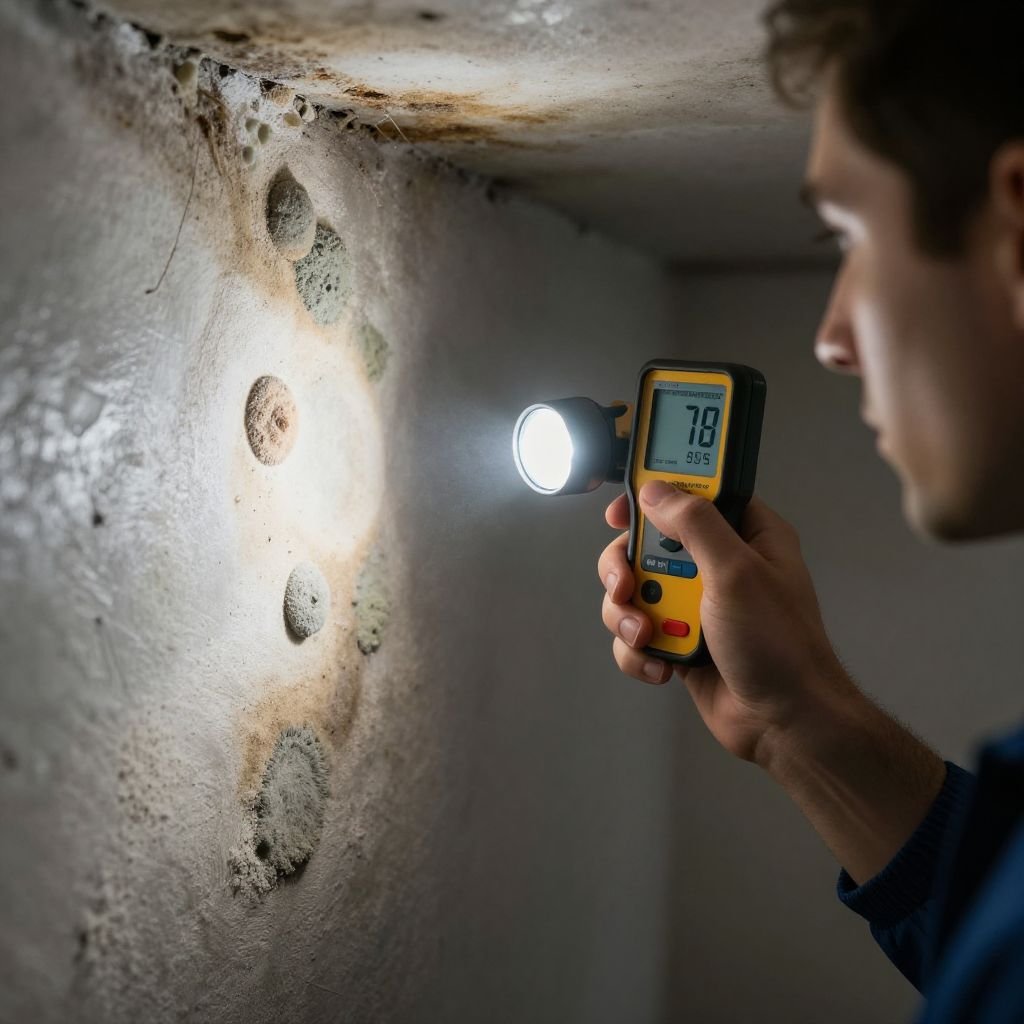
Many Ellisville homes built during the 1970s and 1980s feature poured concrete foundations that have developed micro-cracks over decades of freeze-thaw cycles. These breaches allow groundwater intrusion during spring rains and snowmelt, particularly in neighborhoods near the bend of Crooked Creek. Homeowners often discover mold spreading across basement walls, behind stored belongings, and under carpet remnants left on concrete slabs.
HVAC-Related Mold Spread
The region's temperature swings force air conditioning systems to work overtime, creating condensation in ductwork and around poorly insulated lines. When cool air meets humid attic or crawl space environments, mold colonizes inside vents and distributes spores throughout living spaces. Ellisville residents frequently report musty odors that intensify when systems cycle on, along with unexplained respiratory symptoms during peak cooling months.
Post-Storm Water Intrusion
Severe weather rolling across St. Louis County brings wind-driven rain that exploits compromised window flashing, deteriorated chimney seals, and damaged roof valleys. The tree-lined streets that make Ellisville desirable also contribute to gutter clogging and ice dam formation, directing water into soffits and wall cavities where mold establishes itself before homeowners recognize staining on ceilings or drywall.
How We Help Ellisville Homeowners
Our approach addresses the full lifecycle of mold contamination—from emergency response through long-term prevention—tailored to the specific construction styles and environmental pressures found across Ellisville neighborhoods.
We begin with comprehensive moisture mapping using thermal imaging and calibrated humidity sensors to identify hidden water sources behind finished basement walls, beneath bathroom tile, and inside crawl spaces. This diagnostic precision prevents the cycle of remediation and recurrence that frustrates homeowners who have attempted DIY cleaning or surface-only treatments.
Containment protocols protect unaffected areas of your home during active removal, particularly critical in open-concept layouts common in Ellisville's newer developments. HEPA filtration runs continuously, and negative air pressure systems prevent cross-contamination to bedrooms, kitchens, and HVAC returns.
Following removal, we restore damaged materials with mold-resistant products and implement targeted ventilation improvements. For homes with chronic basement humidity, we specify and install appropriate dehumidification systems sized to your foundation dimensions rather than relying on inadequate portable units.
Mold Remediation Services Available in Ellisville
- Whole-home mold inspection and testing—Air and surface sampling with accredited laboratory analysis to identify species and concentration levels
- Basement and crawl space remediation—Complete removal followed by moisture barrier installation and structural drying
- Attic mold treatment—Addressing ventilation deficiencies and insulation contamination from roof leaks or exhaust venting failures
- HVAC and ductwork decontamination—Mechanical cleaning, antimicrobial treatment, and filter system upgrades
- Water damage restoration—Emergency extraction, structural drying, and preventive treatments to stop mold before it starts
- Odor elimination—Source-based treatment rather than masking, using oxidation and enzyme technologies
- Post-remediation verification—Independent clearance testing to confirm safe reoccupancy
Mold Remediation Pricing in the Ellisville Area
Investment in professional mold remediation varies considerably based on contamination extent, accessibility, and underlying moisture issues requiring correction. Understanding typical cost ranges helps Ellisville homeowners budget appropriately and evaluate quotes.
Localized remediation addressing a single bathroom or small closet area generally ranges from $1,500 to $3,500, assuming no structural repairs are needed. Moderate basement contamination affecting 500 to 1,000 square feet typically runs $3,500 to $7,500, including containment, removal, and preventive coating application.
Extensive whole-home situations involving HVAC contamination, multiple levels, or significant reconstruction requirements can exceed $10,000. We provide detailed written estimates following inspection, with line-item breakdowns distinguishing remediation work from optional preventive upgrades. Most homeowner insurance policies cover mold remediation when tied to covered water damage events, and we assist with documentation for claims submission.
Financing options are available for larger projects, and we prioritize transparent communication about what work is immediately essential versus what can be phased based on your circumstances.
Frequently Asked Questions
How quickly can mold become a serious problem in Ellisville homes?
Mold can begin growing within 24 to 48 hours of moisture exposure. In Ellisville's humid summer climate, minor leaks or condensation issues can escalate to visible, widespread contamination within one to two weeks. Immediate water extraction and drying significantly reduce long-term remediation costs.
Will mold come back after professional remediation?
Recurrence is prevented only when underlying moisture sources are eliminated. Our Ellisville projects include moisture source identification and correction recommendations. We also offer maintenance plans for homes with chronic humidity challenges, such as those with stone foundations or poor yard drainage.
Do I need to leave my home during mold remediation?
Containment and filtration systems allow most residents to remain in place during limited-scope work. For extensive contamination or when immunocompromised individuals are present, temporary relocation may be advisable. We discuss specific arrangements based on your project scope and household needs during initial consultation.