

How to Choose a Mold Remediation Professional in Eatonton
Finding the right mold remediation professional in Eatonton requires understanding what sets qualified contractors apart in Putnam County's unique environment. Lake Oconee's proximity creates elevated humidity levels throughout the region, making mold a recurring concern for homeowners and businesses alike.
Start by verifying proper licensing through the Georgia Secretary of State's office. Any legitimate mold remediation company operating in Eatonton must hold current credentials and carry adequate liability insurance. Ask for proof of certification from recognized industry organizations such as the Institute of Inspection, Cleaning and Restoration Certification (IICRC) or the National Organization of Remediators and Mold Inspectors (NORMI).
Experience with Putnam County's building stock matters significantly. Older homes near Eatonton's historic district may contain materials requiring specialized handling, while newer construction near the lake demands different moisture management approaches. Request local references specifically from Eatonton or nearby Lake Oconee communities rather than generic testimonials.
Evaluate their assessment methodology thoroughly. Reputable professionals conduct comprehensive moisture mapping, air sampling, and visual inspection before proposing solutions. Be wary of anyone offering quotes over the phone without site evaluation—accurate remediation planning requires understanding your specific contamination extent, affected materials, and underlying moisture sources unique to your Eatonton property.
What to Expect from Mold Remediation Services in Eatonton
The mold remediation process follows established protocols adapted to Putnam County's climate conditions. Understanding each phase helps property owners prepare appropriately and recognize quality workmanship.
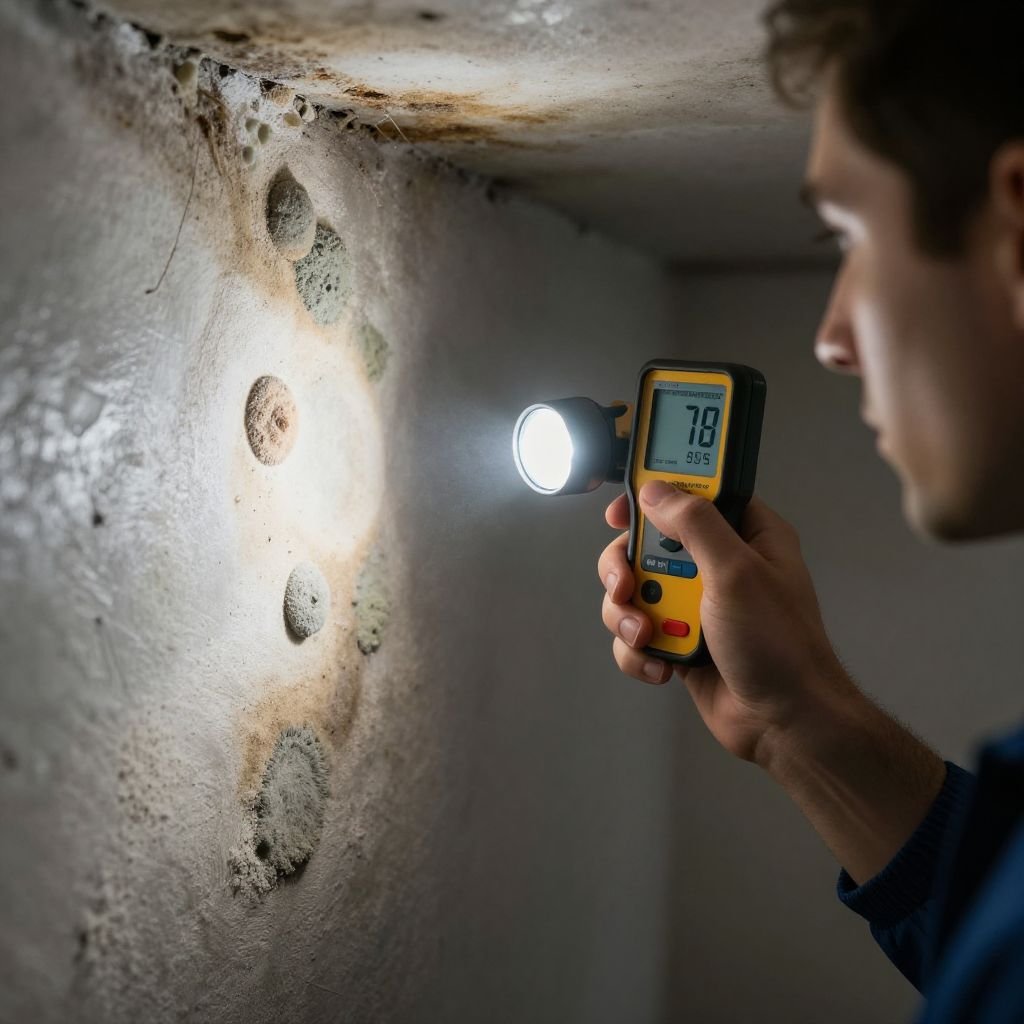
Initial Assessment and Containment: Technicians arrive equipped to identify visible growth, test air quality, and locate hidden moisture using thermal imaging. They establish containment barriers using negative air pressure systems to prevent cross-contamination during removal. In Eatonton's humid climate, this containment proves especially critical as disturbed spores readily find favorable growing conditions.
Removal and Cleaning: Affected porous materials—drywall, insulation, carpeting—receive removal and proper disposal per Georgia environmental regulations. Non-porous surfaces undergo HEPA vacuuming and antimicrobial treatment. The extent of removal depends on contamination severity, with larger areas requiring more extensive reconstruction planning.
Drying and Dehumidification: Given Eatonton's proximity to Lake Oconee and consistently high ambient humidity, thorough structural drying demands professional-grade dehumidification running continuously until moisture readings stabilize. This phase cannot be rushed—incomplete drying guarantees mold recurrence.
Verification and Prevention: Post-remediation testing confirms successful spore reduction. Quality providers then identify and recommend corrections for moisture intrusion sources, whether foundation seepage, plumbing leaks, or inadequate ventilation common in lake-area homes.
Available Mold Remediation Services
Eatonton property owners can access comprehensive mold solutions scaled to diverse contamination scenarios and building types throughout Putnam County.
Residential Mold Remediation: Complete home services addressing crawl spaces, attics, basements, and living areas. Specialized attention to HVAC systems prevalent in Georgia homes, with duct cleaning and antimicrobial treatment where contamination has spread through air handlers.
Commercial Mold Remediation: Discreet, schedule-accommodating services for Eatonton's retail establishments, restaurants, office buildings, and hospitality properties near Lake Oconee. Minimized business disruption through contained work zones and flexible timing.
Emergency Water Damage and Mold Response: 24/7 availability for burst pipes, storm damage, and flooding incidents requiring immediate intervention. Rapid response limits secondary mold development, particularly crucial during Georgia's thunderstorm season.
Crawl Space and Basement Mold Treatment: Targeted solutions for below-grade spaces where Putnam County's high water table and clay soils create persistent moisture challenges. Encapsulation, vapor barrier installation, and dehumidification system recommendations.
Attic Mold Remediation: Addressing ventilation deficiencies and roof leaks that foster growth in Eatonton's hot, humid summers. Includes soffit and ridge vent evaluation, insulation assessment, and proper airflow restoration.
Frequently Asked Questions
How quickly can mold grow after water damage in Eatonton?
In Eatonton's humid subtropical climate, mold can begin developing within 24 to 48 hours of water intrusion. The area's high ambient moisture and warm temperatures accelerate colonization compared to drier regions. Immediate water extraction and drying significantly reduce mold risk.
Does homeowners insurance cover mold remediation in Putnam County?
Coverage varies by policy and cause. Mold resulting from sudden, covered perils like burst pipes typically receives partial or full coverage. Gradual moisture issues from maintenance neglect usually are excluded. Document damage promptly and contact your carrier before remediation begins.
Is mold testing required before remediation in Eatonton?
Georgia does not mandate pre-remediation testing, but professional assessment benefits most situations. Testing identifies mold species, quantifies airborne concentrations, and establishes baseline documentation. For visible growth exceeding 10 square feet, professional evaluation remains strongly recommended.
How long does professional mold remediation typically take?
Duration depends on contamination extent, affected materials, and structural drying requirements. Small, contained areas may resolve in 1-3 days. Extensive whole-home remediation near Lake Oconee, where humidity complicates drying, often requires 5-10 days including reconstruction time.