

How to Choose a Mold Remediation Professional in Creve Coeur
When mold appears in your Creve Coeur home or business, selecting the right remediation specialist matters. St. Louis County has specific environmental conditions—humid summers, seasonal flooding near the Missouri River watershed, and aging residential infrastructure—that make mold a recurring concern for property owners.
Look for professionals who carry Missouri state-appropriate certifications and demonstrate hands-on experience with residential properties common in Creve Coeur's established neighborhoods. The best providers understand local building materials used in mid-century ranch homes and newer developments alike. Ask about their containment protocols, air filtration methods, and whether they document moisture sources to prevent recurrence.
Verify insurance coverage specifically for mold work, not just general liability. Request references from similar properties in western St. Louis County. A reputable company should explain their testing approach—whether they use third-party lab analysis or handle assessment internally—and be transparent about when independent post-remediation verification makes sense.
What to Expect from Mold Remediation Services in Creve Coeur
Professional mold remediation follows a structured process tailored to your property's specific conditions. Understanding this timeline helps Creve Coeur residents prepare appropriately.
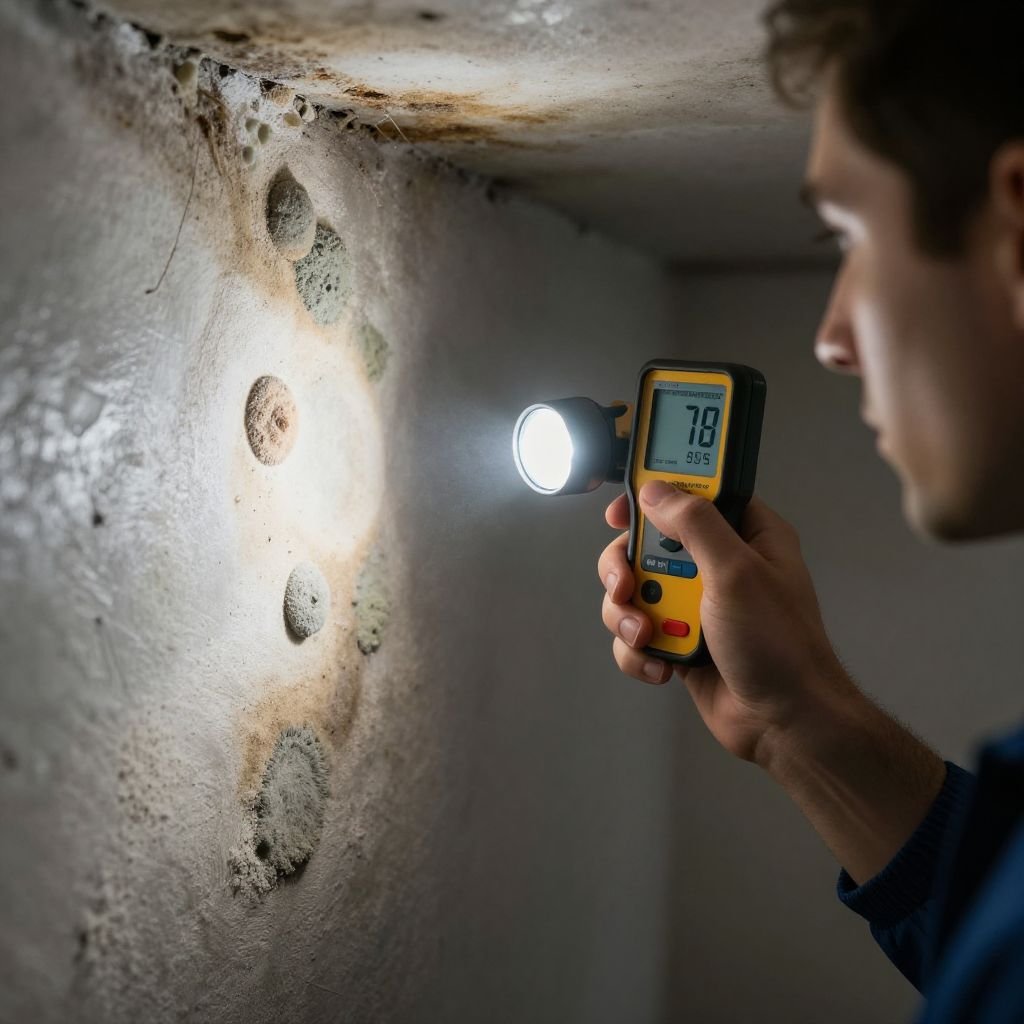
Assessment and containment come first. Technicians inspect visible mold, identify moisture origins, and seal affected zones using physical barriers and negative air pressure systems. This prevents spore dispersal to unaffected areas of your home.
Removal and cleaning follow. Porous materials with deep mold infiltration—drywall, insulation, carpet padding—typically require disposal. Non-porous surfaces undergo HEPA vacuuming and antimicrobial treatment. Specialized cleaning addresses HVAC components when contamination has spread through ductwork, a concern in Creve Coeur homes with basement or crawl space moisture issues.
Drying and restoration complete the cycle. Industrial dehumidifiers reduce humidity below 60%, the threshold where mold thrives. Repairs restore removed materials to pre-loss condition. Quality providers schedule follow-up inspections, particularly during Missouri's humid July and August months when hidden moisture can reactivate dormant spores.
Available Mold Remediation Services
Creve Coeur property owners can access comprehensive mold solutions scaled to contamination severity:
- Inspection and testing — Air and surface sampling to determine mold species concentration and identify hidden growth behind walls or beneath flooring
- Containment and removal — Isolation of affected areas with physical barriers and negative pressure, followed by safe material disposal
- Structural drying — Dehumidification and moisture mapping to eliminate conditions supporting mold colonies
- HVAC and duct cleaning — Specialized treatment for forced-air systems that have distributed spores throughout living spaces
- Preventative moisture control — Vapor barrier installation, sump pump recommendations, and drainage improvements for basements and crawl spaces common in older St. Louis County homes
- Emergency response — Rapid deployment following water damage from burst pipes, appliance failures, or storm intrusion
Many Creve Coeur homes built between the 1950s and 1980s benefit from proactive moisture assessments, as original construction lacked modern vapor barriers and drainage systems. Newer properties near the Dielmann Recreation Complex or along residential expansion corridors face different challenges, including landscape grading issues and irrigation system leaks that introduce water against foundations.
Frequently Asked Questions
How does Creve Coeur's climate affect mold growth?
St. Louis County's humid continental climate creates extended periods of high moisture, particularly May through September. Summer humidity regularly exceeds 70%, and spring storms can introduce water into basements and crawl spaces. These conditions accelerate mold colonization within 24-48 hours of moisture intrusion.
Should I test for mold before selling my Creve Coeur home?
Pre-listing mold assessment is prudent for homes with any history of water intrusion, musty odors, or visible staining. Missouri does not mandate seller disclosure of mold specifically, but material defects must be reported. Documentation of professional remediation protects sellers from post-sale liability and supports asking price.
Can I handle small mold areas myself?
EPA guidelines suggest DIY treatment for patches under 10 square feet on hard surfaces using detergent and water. Larger areas, mold in HVAC systems, or growth resulting from sewage backup require professional intervention. Creve Coeur homes with finished basements often conceal extensive hidden mold behind paneling.
How long does professional remediation take?
Minor contained projects resolve in 1-3 days. Whole-basement remediation or properties with extensive structural involvement may require 1-2 weeks including drying time. St. Louis County permit requirements for certain reconstruction work can extend timelines slightly.
Will mold return after remediation?
Recurrence is prevented only when underlying moisture causes are eliminated. Professional services should include moisture source identification and recommendations for permanent corrections—foundation sealing, improved ventilation, or drainage modifications. Without these steps, Creve Coeur's climate virtually guarantees mold will reestablish.