

Mold Remediation Services in Cottage Grove, OR
Cottage Grove sits in the southern Willamette Valley where the Coast Fork Willamette River and Row River converge. This beautiful location creates naturally humid conditions throughout much of the year. Combined with Oregon's persistent rainy season and older housing stock in historic districts like the Bohemia Mining Days area, mold growth becomes a significant concern for property owners in Lane County.
Local homes near Dorena Lake and along valley floors experience elevated moisture levels that seep into crawl spaces, basements, and wall cavities. The combination of wooded surroundings, seasonal flooding potential, and temperature fluctuations between warm days and cool nights generates condensation problems ideal for mold colonization.
Professional mold remediation in Cottage Grove addresses these regional challenges with targeted approaches. Services include thorough moisture source identification, containment of affected areas, HEPA filtration during removal, antimicrobial treatment of structural materials, and implementation of lasting moisture control solutions. For properties near wetlands or with aging foundations common in the downtown historic district, specialized crawl space encapsulation and drainage corrections prevent recurring infestations.
Why Cottage Grove Properties Face Unique Mold Risks
The geography surrounding Cottage Grove contributes to persistent indoor humidity issues. Lorane Valley moisture patterns drift eastward, while the Coast Range foothills trap marine air that doesn't dissipate quickly. Homes built before modern vapor barrier standards—particularly those constructed during the timber boom era—often lack adequate ground sealing or ventilation systems.
Agricultural and rural properties with outbuildings, wells, and irrigation systems face additional complications. Leaking supply lines, failed sump pumps, and poor drainage around foundations create saturated conditions where mold thrives behind siding and beneath floor systems. Even newer construction in developments near Cottage Grove Lake can experience mold issues when landscaping grade slopes toward rather than away from structures.
Seasonal considerations matter significantly. The extended wet period from October through June in Lane County means buildings remain damp for months. Without proactive dehumidification and ventilation, dormant mold spores activate and spread through HVAC systems, affecting indoor air quality before visible growth appears.
Frequently Asked Questions About Mold Remediation in Cottage Grove
How does Cottage Grove's proximity to rivers and lakes increase mold risks?
The confluence of the Coast Fork Willamette and Row River creates high water tables across much of Cottage Grove. Properties within floodplains or near riparian zones experience capillary moisture wicking through foundations. Even during dry summer months, subsurface moisture remains elevated, continuously feeding mold in crawl spaces and basements. Remediation must include comprehensive drainage assessment and often installation of perimeter systems or sump pumps to address these hydrostatic pressures.
Are historic homes in Cottage Grove's downtown district harder to remediate?
Historic properties present distinct challenges due to construction methods and material aging. Plaster and lath walls, balloon framing, and minimal insulation create extensive hidden cavities where mold proliferates undetected. These buildings often lack modern vapor barriers and have settled foundations with new moisture entry points. Successful remediation requires careful containment to protect original features, specialized drying techniques that won't damage century-old materials, and sympathetic moisture management solutions that preserve architectural integrity while preventing future growth.
What should rural Cottage Grove property owners know about outbuilding mold?
Barns, shops, and secondary structures on rural Lane County properties frequently develop severe mold due to intermittent heating, poor insulation, and agricultural humidity from livestock or equipment storage. These outbuildings often use different construction standards than primary residences, with metal roofing that condenses, dirt floors that transmit groundwater, and limited airflow. Cross-contamination between outbuildings and homes occurs through clothing, tools, and HVAC connections. Comprehensive remediation plans should evaluate all structures on a property, not just the main dwelling, to prevent reintroduction of spores.
The Mold Remediation Process for Cottage Grove Residents
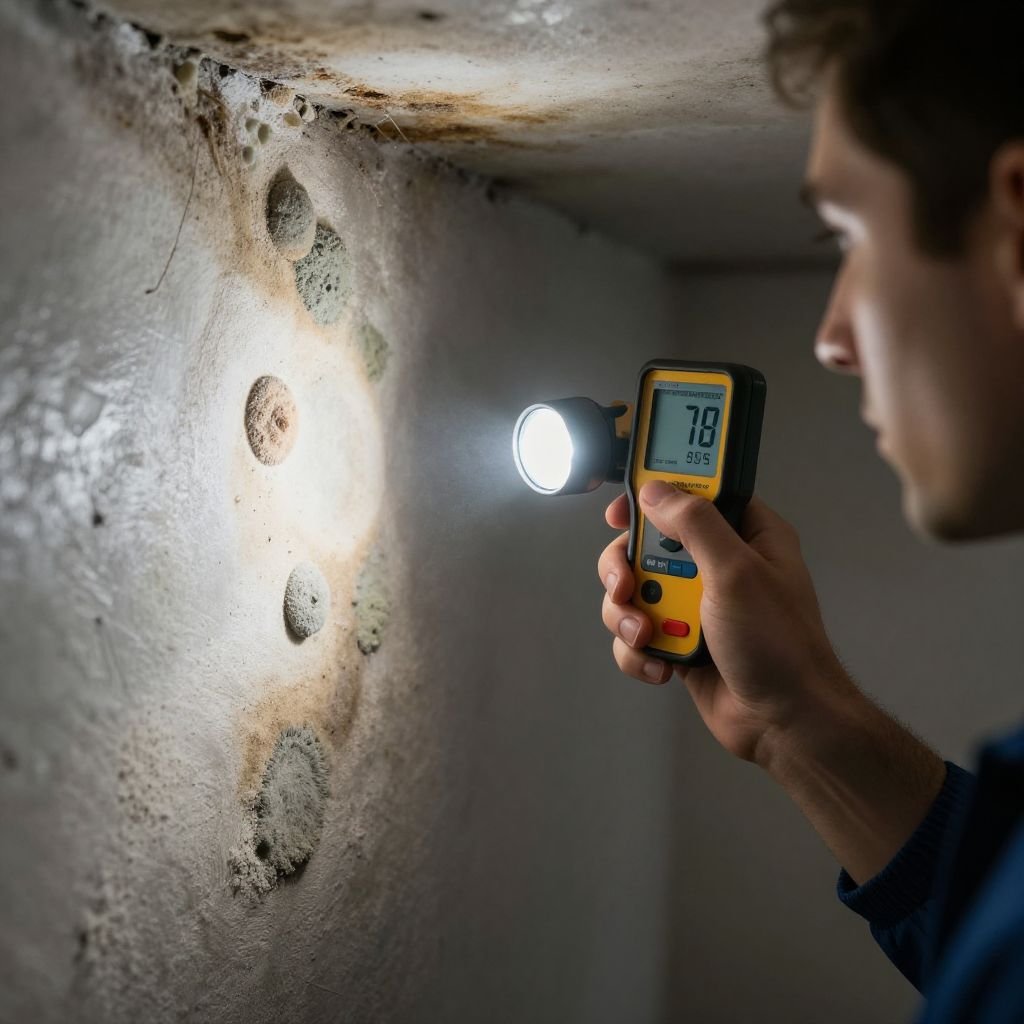
Effective remediation begins with moisture mapping using thermal imaging and hygrometers to identify all affected areas, including concealed growth behind Cottage Grove's common wood siding and within crawl spaces. Containment barriers with negative air pressure prevent spore dispersal during removal. Porous materials with deep colonization are removed following Oregon DEQ guidelines, while salvageable structural elements undergo HEPA vacuuming and antimicrobial treatment.
Drying and dehumidification follow removal, with commercial-grade equipment sized for Pacific Northwest humidity levels. Post-remediation verification includes air sampling and surface testing to confirm spore counts return to acceptable baselines. Finally, moisture control recommendations—ranging from simple ventilation improvements to full crawl space encapsulation with sump pump installation—protect against recurrence in Cottage Grove's challenging climate.