

How to Choose a Mold Remediation Professional in Clarkston
Finding qualified mold remediation in Clarkston means understanding what separates reliable contractors from those who may leave your home worse off. DeKalb County's humid subtropical climate creates year-round conditions where mold thrives, particularly in older homes near the South Fork Peachtree Creek watershed and in neighborhoods with mature tree canopy that limits airflow.
When evaluating mold remediation companies serving Clarkston, prioritize these credentials:
- IICRC certification — The Institute of Inspection, Cleaning and Restoration Certification sets industry standards for water damage and mold remediation. Technicians should hold current WRT (Water Restoration Technician) and AMRT (Applied Microbial Remediation Technician) certifications.
- Georgia state licensing — Mold remediation firms must hold proper business licenses through DeKalb County and carry adequate general liability and workers' compensation insurance.
- Local experience with Clarkston housing stock — Homes here range from 1950s ranch-style properties to newer apartment communities near the Clarkston International Bible Church area. Each presents distinct moisture and ventilation challenges.
- Containment protocols — Ask specifically about negative air pressure systems and HEPA filtration methods. Proper containment prevents cross-contamination during removal.
Request references from recent Clarkston projects, particularly if your property has similar characteristics. Contractors familiar with DeKalb County's building codes and the Georgia Department of Public Health's mold guidance will navigate remediation more efficiently.
What to Expect from Mold Remediation Services in Clarkston
Professional mold remediation follows a structured protocol designed to eliminate active growth and address underlying moisture sources. Understanding this process helps Clarkston homeowners set realistic expectations and recognize thorough work.
Initial Assessment and Documentation
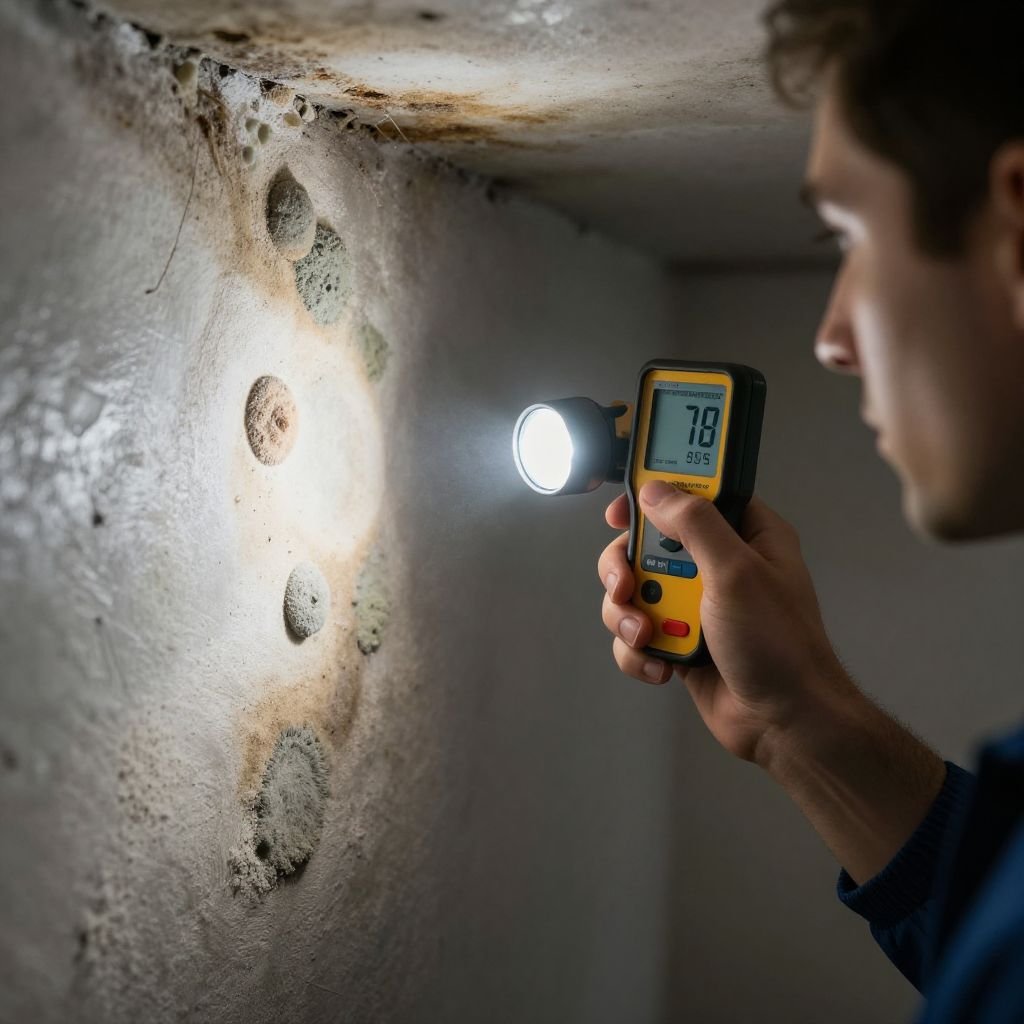
Technicians begin with visual inspection, moisture mapping using thermal imaging, and air or surface sampling when contamination extent isn't visually obvious. In Clarkston's older homes, this often reveals hidden growth behind bathroom tile, beneath vinyl flooring, or within HVAC ductwork in crawl spaces.
Containment and Air Filtration
Before removal begins, affected areas get sealed with polyethylene sheeting. Negative air machines with HEPA filters run continuously, exhausting filtered air outside the structure. This step proves especially critical in Clarkston's compact residential layouts where living spaces flow together.
Removal and Cleaning
Porous materials with significant mold infiltration—drywall, insulation, carpet padding—require removal and proper disposal per DeKalb County waste regulations. Non-porous surfaces undergo HEPA vacuuming and antimicrobial treatment. The goal isn't merely killing visible mold but removing spores and mycotoxins that trigger health responses.
Drying and Restoration
Industrial dehumidifiers and air movers reduce moisture content to levels that prevent recurrence. Final clearance testing, often involving third-party laboratory analysis, confirms successful remediation before reconstruction begins.
Most Clarkston residential projects conclude within three to seven days, though extensive crawl space contamination or whole-house issues may extend timelines.
Available Mold Remediation Services
Clarkston residents can access specialized remediation options tailored to common local scenarios:
- Attic mold remediation — Addressing ventilation failures and roof leaks common in homes with original soffit and ridge vent configurations
- Crawl space mold removal — Treating ground moisture infiltration in properties without adequate vapor barriers or encapsulation
- Bathroom and kitchen mold abatement — Targeting recurring growth from exhaust fan deficiencies and plumbing leaks in high-humidity zones
- HVAC mold cleaning — Removing contamination from ductwork and air handling units that distribute spores throughout living spaces
- Water damage restoration — Emergency extraction and structural drying following leaks, flooding, or appliance failures, preventing secondary mold development
- Post-remediation verification — Independent air quality testing to document successful completion for real estate transactions or insurance requirements
Many Clarkston properties benefit from bundled services combining remediation with moisture control improvements, such as dehumidifier installation or crawl space encapsulation, reducing future risk in DeKalb County's challenging climate.
Frequently Asked Questions About Mold Remediation in Clarkston
How does Clarkston's climate affect mold growth?
DeKalb County experiences average relative humidity above 60% for much of the year, with summer peaks frequently exceeding 80%. Combined with warm temperatures, this creates optimal conditions for mold colonization within 24-48 hours of moisture intrusion. Clarkston's mature tree coverage also reduces direct sunlight and air circulation around foundations, contributing to persistent dampness in crawl spaces and exterior walls.
Will my homeowner's insurance cover mold remediation in Clarkston?
Coverage varies significantly by policy. Most standard Georgia homeowners policies exclude mold damage unless it results from a covered peril—typically sudden, accidental water damage like burst pipes or storm intrusion. Gradual leaks, condensation issues, or maintenance-related moisture usually aren't covered. Document all damage promptly and review your policy's mold sublimits, which commonly cap coverage between $1,000 and $10,000 even when claims are approved.
Can I perform mold removal myself in my Clarkston home?
DIY remediation may be appropriate for isolated growth covering less than approximately 10 square feet on hard, non-porous surfaces. However, Clarkston's older homes often conceal extensive contamination behind finishes. Disturbing mold without proper containment spreads spores aggressively. Additionally, certain species prevalent in Georgia—including Stachybotrys chartarum—warrant professional handling due to health risks. When in doubt, professional assessment protects both your property and respiratory health.
How can I prevent mold from returning after remediation?
Sustained prevention requires moisture source elimination. For Clarkston properties, this typically means ensuring bathroom and kitchen exhaust fans vent completely outside (not into attics), maintaining indoor humidity below 50% with dehumidification, repairing roof and plumbing leaks promptly, and improving crawl space drainage. Annual HVAC maintenance, including coil cleaning and filter replacement, prevents system-related moisture issues. Consider whole-home dehumidifiers for properties with persistent humidity challenges.