

Common Mold Remediation Problems in Cheyenne
Cheyenne homeowners face unique mold challenges shaped by southeastern Wyoming's high-plains climate. Despite the region's reputation for dry conditions, mold growth thrives in ways that catch many Laramie County residents off guard.
Sudden Moisture Intrusion from Severe Weather
Cheyenne's intense summer thunderstorms and rapid snowmelt create flash moisture events. Hail damage compromises roofing, while wind-driven rain penetrates window seals and siding gaps. Many homes built before 1990 lack adequate vapor barriers, allowing water to accumulate in wall cavities undetected for weeks.
Basement and Foundation Moisture
The expansive clay soils throughout Cheyenne shift dramatically with moisture changes. This soil movement creates foundation cracks that welcome groundwater during spring thaw. Basements—common in older neighborhoods near the historic downtown and in newer developments alike—often maintain humidity levels above 60%, sustaining hidden mold colonies behind paneling and beneath stored items.
Ice Dam Complications
Cheyenne's freeze-thaw cycles, with temperatures swinging 40+ degrees in single winter days, produce destructive ice dams. Water backs up under shingles, saturating attic insulation and ceiling drywall. By the time brown spots appear on interior surfaces, mold has often spread extensively through the roof assembly.
Condensation in Poorly Ventilated Spaces
Modern energy-efficient construction in developments like Summitview and Saddle Ridge reduces air exchange. When combined with Cheyenne's dramatic temperature differentials between day and night, condensation forms on cold surfaces in attics, crawl spaces, and exterior closets. HVAC systems oversized for our heating-dominated climate compound the problem by short-cycling and failing to dehumidify properly.
How We Help Cheyenne Homeowners
We understand that discovering mold disrupts your sense of security in your home. Our approach prioritizes thorough assessment, transparent communication, and lasting solutions tailored to Cheyenne's specific building practices and climate patterns.
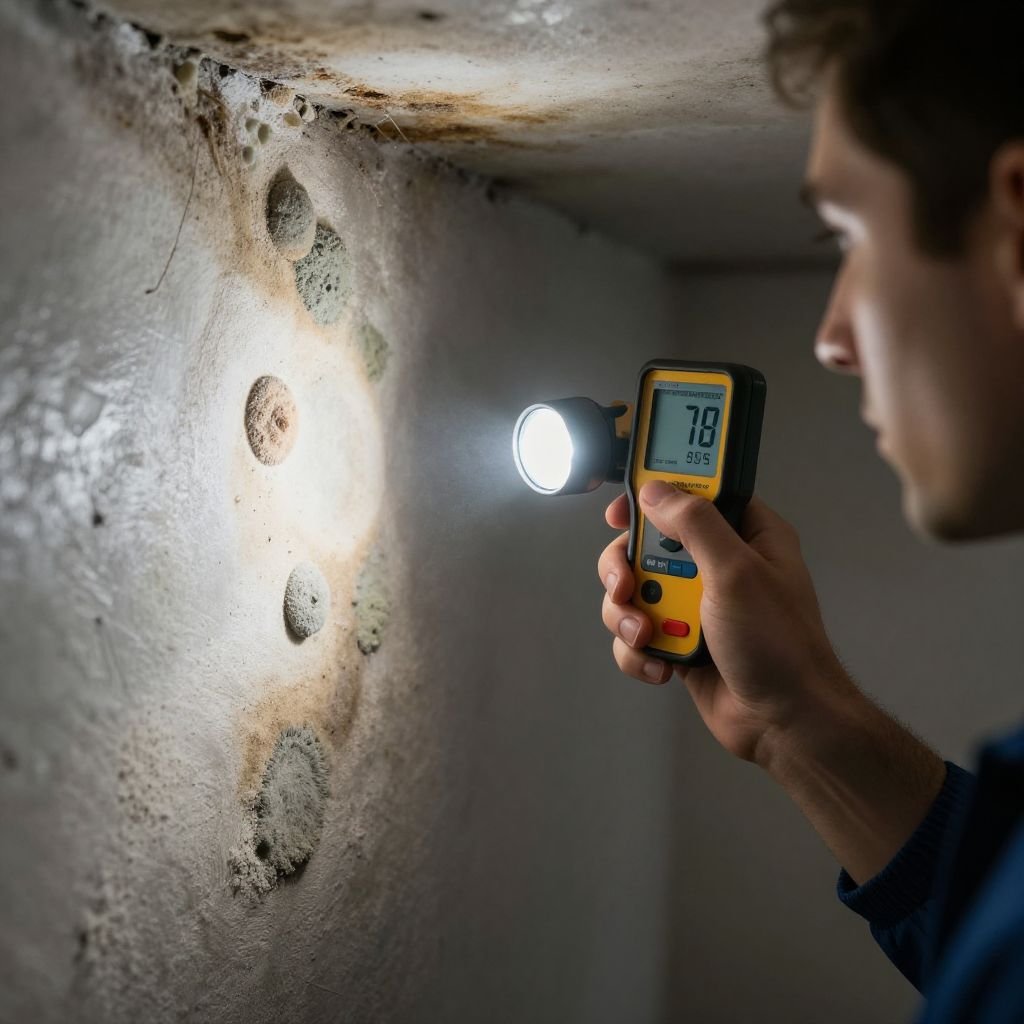
Our certified technicians begin with comprehensive moisture mapping using thermal imaging and calibrated humidity sensors. We identify not just visible mold, but the hidden moisture sources feeding it—whether that's a compromised foundation drain, inadequate attic ventilation, or a slow plumbing leak behind a bathroom wall.
Containment protocols protect unaffected areas of your home during remediation. We employ HEPA filtration, negative air pressure systems, and proper disposal methods that exceed Wyoming Department of Environmental Quality guidelines. Post-remediation verification includes air sampling and moisture readings to confirm your indoor environment has returned to healthy parameters.
Beyond removal, we provide specific recommendations for preventing recurrence—addressing ventilation deficiencies, improving drainage grading, or coordinating with trusted local contractors for structural repairs when needed.
Mold Remediation Services Available in Cheyenne
- Residential Mold Inspection & Testing — Comprehensive visual assessment, moisture detection, and air quality sampling for homes throughout Laramie County
- Basement & Crawl Space Remediation — Specialized treatment for below-grade spaces with waterproofing coordination
- Attic Mold Removal — Ice dam and ventilation-related mold remediation with insulation evaluation
- HVAC & Duct Contamination Cleaning — Mold remediation within heating and cooling systems common in Cheyenne's forced-air homes
- Water Damage Restoration — Emergency extraction and structural drying to prevent mold establishment after leaks or flooding
- Post-Remediation Clearance Testing — Independent verification that mold levels have returned to normal fungal ecology
- Commercial Mold Remediation — Discreet, scheduled services for businesses along Dell Range and downtown corridors
Mold Remediation Pricing in the Cheyenne Area
Mold remediation costs in Cheyenne vary considerably based on contamination extent, accessibility, and underlying moisture issues requiring correction. Understanding typical investment ranges helps homeowners plan appropriately.
Professional mold inspection with moisture assessment generally ranges from $250 to $500 for standard residential properties. This essential first step prevents both undertreatment and unnecessary overspending.
Contained, surface-level mold growth in a single area—such as a bathroom ceiling or small closet—typically costs between $1,200 and $3,500 to remediate properly. This includes containment, removal, cleaning, and preventive treatment of surrounding materials.
Moderate contamination affecting multiple rooms, wall cavities, or attic spaces generally ranges from $3,500 to $8,000. These projects require more extensive containment, possible drywall removal, and coordinated repairs.
Severe, widespread contamination involving structural elements, HVAC systems, or extensive hidden growth can exceed $10,000. While less common, these situations demand comprehensive remediation protocols and often occur when early signs were ignored or improperly addressed with DIY approaches.
Homeowners insurance may cover mold remediation when directly resulting from a covered peril, such as sudden pipe rupture or storm damage. We document thoroughly for claims purposes and work directly with adjusters serving the Cheyenne market.
Frequently Asked Questions About Mold Remediation in Cheyenne
Does Cheyenne's dry climate really support mold growth?
Yes. While outdoor humidity averages are low, indoor moisture problems from leaks, condensation, and groundwater intrusion create localized conditions perfect for mold. Cheyenne homes often have higher indoor humidity than expected due to modern construction sealing and lifestyle moisture sources.
How quickly can mold become a serious problem after water damage?
Mold colonization can begin within 24 to 48 hours of moisture intrusion. In Cheyenne's variable temperatures, condensation and hidden leaks often persist undetected for extended periods, allowing extensive growth before visible signs appear.
Can I remove mold myself with bleach?
Bleach is ineffective on porous materials like drywall and wood, which comprise most Cheyenne home construction. It can also exacerbate problems by adding moisture and potentially damaging surfaces. Professional remediation addresses root causes and ensures complete removal with proper safety protocols.
Will mold come back after professional remediation?
When remediation includes proper moisture source elimination, mold should not return. We identify and document contributing factors—whether ventilation, drainage, or structural—and provide specific recommendations. Our post-remediation verification confirms successful resolution.
Do you service all of Laramie County?
Yes, we provide mold remediation throughout Laramie County including Burns, Pine Bluffs, and rural properties surrounding Cheyenne. Response times vary by distance, but we maintain emergency availability for all county residents.