

How to Choose a Mold Remediation Professional in Chelsea
Finding the right mold remediation specialist in Chelsea requires understanding what separates qualified professionals from general contractors. Suffolk County's coastal climate creates unique challenges—salt air, humidity from the Mystic River, and aging housing stock combine to make mold a persistent concern for property owners.
Start by verifying Massachusetts state licensing for mold assessment and remediation. Professionals working in Chelsea should carry Department of Labor Standards (DLS) certification and follow EPA RRP guidelines for lead-safe practices, particularly important given the city's pre-1978 housing inventory. Ask for proof of general liability insurance specific to environmental remediation, not just standard contractor coverage.
Local experience matters significantly. Chelsea's building types range from triple-deckers near Bellingham Square to industrial conversions along the Chelsea Creek. A professional familiar with Suffolk County's inspection protocols and the Chelsea Board of Health's reporting requirements will navigate permitting more efficiently. Request references from similar properties—residential remediation differs substantially from commercial warehouse work.
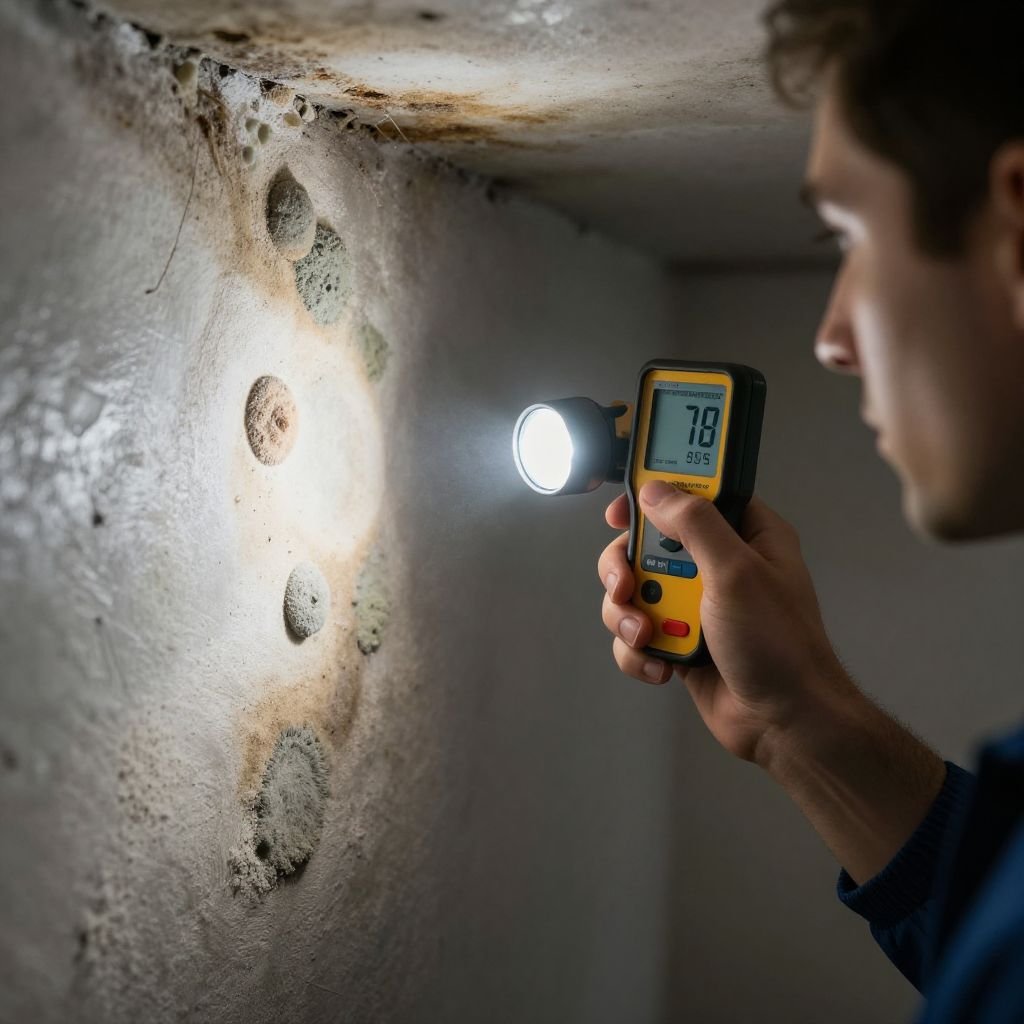
Finally, evaluate their assessment methodology. Reputable companies use moisture meters, thermal imaging, and air sampling rather than visual guesses alone. They should provide written protocols before any demolition begins, with clear containment strategies for occupied buildings.
What to Expect from Mold Remediation Services in Chelsea
Professional mold remediation follows a structured process designed to eliminate active growth and prevent recurrence. Understanding this workflow helps Chelsea property owners prepare appropriately and evaluate service quality.
Containment comes first. Technicians seal affected areas with polyethylene barriers and establish negative air pressure using HEPA-filtered equipment. This prevents spore migration through shared hallways in multi-family buildings common throughout Chelsea's neighborhoods.
Removal, not just treatment. Porous materials showing mold penetration—drywall, insulation, ceiling tiles—require physical removal. Non-porous surfaces undergo HEPA vacuuming and antimicrobial application. Be wary of companies promoting "fogging" or ozone treatments as standalone solutions; these address symptoms without resolving underlying contamination.
Drying and dehumidification follow removal. Industrial-grade desiccant or refrigerant dehumidifiers run until moisture content readings stabilize below 15% in wood framing. Given Chelsea's proximity to tidal waterways, this phase often extends longer than inland locations.
Post-remediation verification includes visual inspection and air quality sampling compared to outdoor baseline levels. Clearance testing by an independent party provides objective confirmation, though some reputable firms perform internal verification with transparent documentation.
Available Mold Remediation Services
Chelsea property owners can access comprehensive remediation solutions tailored to the city's diverse building stock and environmental conditions.
- Emergency Water Damage Response — 24/7 extraction and drying to prevent mold establishment after pipe bursts, flooding, or fire suppression system discharge
- Residential Mold Remediation — Containment and removal for single-family homes, condominiums, and triple-decker apartments with shared wall considerations
- Commercial & Industrial Remediation — Large-scale projects for manufacturing facilities, warehouses along the Chelsea Creek, and retail spaces with minimal business interruption protocols
- Hidden Mold Detection — Infrared thermography and borescope inspection for wall cavities, crawl spaces, and areas behind built-in cabinetry
- HVAC Decontamination — Cleaning and treatment of ductwork systems where spore circulation has occurred
- Post-Remediation Repair — Reconstruction services including drywall installation, painting, and flooring replacement with mold-resistant materials
- Preventative Moisture Control — Vapor barrier installation, sump pump solutions, and dehumidification system recommendations specific to below-grade spaces common in older Chelsea foundations
Frequently Asked Questions
Does Chelsea require permits for mold remediation?
Structural repairs following remediation may require permits from the Chelsea Building Department. Pure mold removal typically does not, though projects in designated historic districts may have additional requirements. Your remediation professional should coordinate any necessary permitting.
How long does mold remediation take in a typical Chelsea triple-decker?
Contained single-room projects often complete in 3-5 days. Whole-unit remediation in multi-family buildings generally requires 1-2 weeks, with additional time for clearance testing and any reconstruction. Factors extending duration include asbestos-containing materials requiring abatement and extensive moisture damage to structural elements.
Will my homeowner's insurance cover mold remediation in Suffolk County?
Coverage varies significantly by policy. Standard HO-3 policies typically cover mold remediation only when resulting from a covered peril—sudden pipe rupture, for example. Gradual leaks, condensation issues, or flooding from tidal surge generally receive no coverage. Review your policy's mold sublimit and consider supplemental environmental coverage for coastal Massachusetts properties.