

Professional Mold Remediation Services in Charleston
Charleston's position in the Kanawha Valley creates unique challenges for homeowners battling mold growth. The confluence of the Elk and Kanawha Rivers, combined with West Virginia's humid continental climate, generates moisture conditions that allow mold to thrive in basements, crawl spaces, and behind walls throughout the city. Properties from the historic East End to newer developments in South Hills face particular risk during spring runoff and extended summer humidity.
Professional mold remediation in Charleston requires more than surface cleaning—it demands systematic protocols that address the root moisture issues fueling fungal growth. Whether you're dealing with Stachybotrys (black mold) after flooding in the Kanawha City area or pervasive Aspergillus in a hillside home with drainage problems, certified remediation specialists understand how local building practices and Appalachian geology influence moisture intrusion patterns.
Kanawha County properties built before 1980 often contain aging HVAC systems and plaster construction that complicate moisture management. Modern homes near the interstate corridor may experience condensation issues from energy-efficient sealing without adequate ventilation. Effective remediation must account for these structural variables while protecting the health of residents throughout the process.
Our Mold Remediation Services in Charleston
Charleston homeowners have access to comprehensive mold solutions designed for West Virginia's specific environmental conditions:
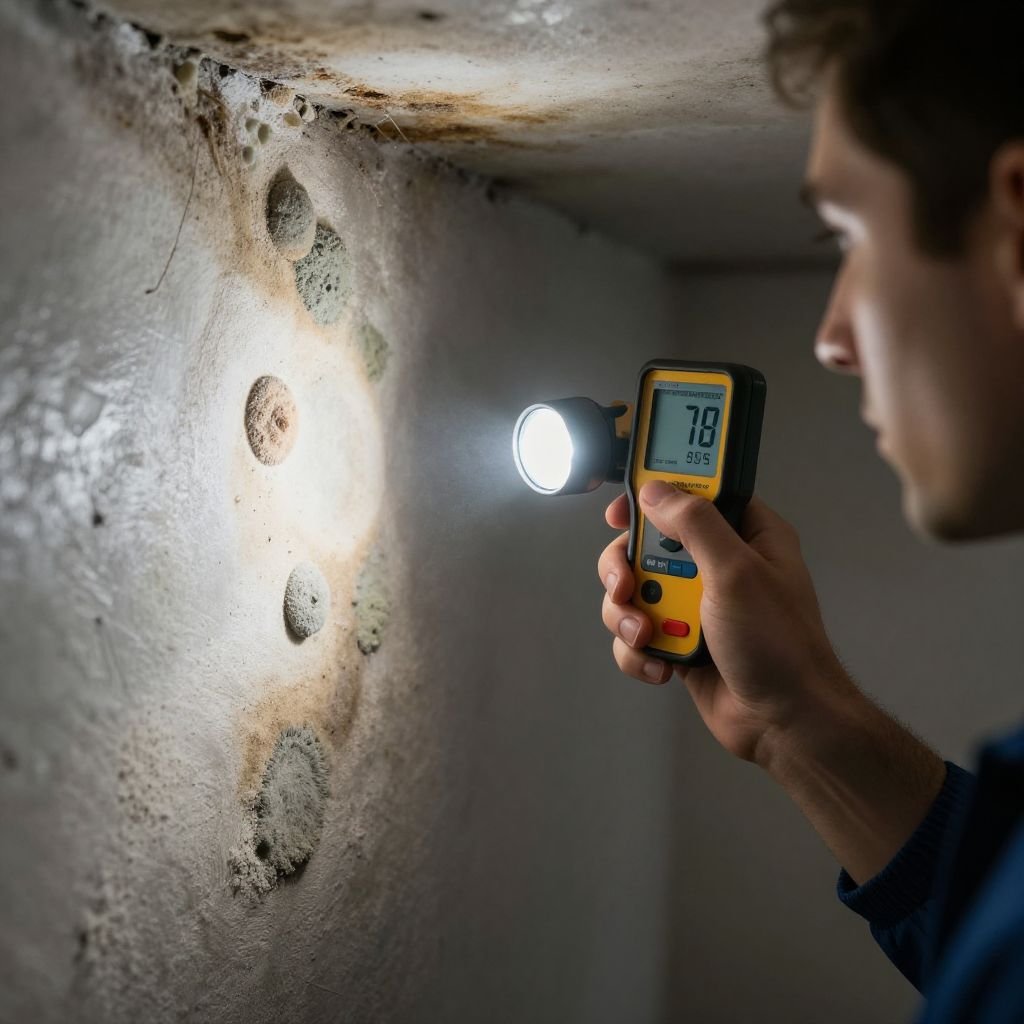
- Inspection and Air Quality Testing — Certified assessors identify mold species, measure spore concentrations, and map moisture sources using thermal imaging and humidity mapping tailored to valley topography.
- Containment and Removal — Negative air pressure systems isolate affected zones while HEPA filtration captures airborne spores, critical for protecting adjacent rooms during remediation.
- Structural Drying and Dehumidification — Industrial-grade equipment addresses the persistent humidity that characterizes Kanawha Valley summers, preventing recurrence in basements and crawl spaces.
- Water Damage Restoration — Repair of leaks, drainage failures, and foundation seepage common in Charleston's clay-heavy soils and hillside construction.
- Post-Remediation Verification — Independent testing confirms clearance before reconstruction begins, providing documentation for insurance claims and real estate transactions.
Emergency response capabilities serve Charleston properties affected by flash flooding along Davis Creek or Elk River overflow, with 24-hour availability during severe weather events that increasingly affect the region.
What to Expect: Mold Remediation Costs in Charleston
Mold remediation pricing in Charleston varies considerably based on contamination scope, material accessibility, and underlying moisture repairs. Area homeowners typically encounter the following general ranges:
- Small, contained projects (under 10 square feet): $500–$1,500
- Moderate remediation with drywall removal (10–100 square feet): $1,500–$6,000
- Extensive whole-home treatment with HVAC decontamination: $6,000–$25,000+
Several Charleston-specific factors influence final costs. Homes in the East End Historic District may require careful preservation of original plaster and millwork, increasing labor intensity. Properties in South Hills or along MacCorkle Avenue with finished basements often need extensive demolition and reconstruction. Foundation repairs addressing Kanawha Valley clay soil expansion add to comprehensive project budgets.
Most homeowner insurance policies cover mold remediation when directly resulting from covered water damage, though West Virginia policies increasingly limit mold-specific coverage. Documentation from certified assessments strengthens claim validity. For properties without applicable coverage, many Charleston remediation providers offer phased work plans or financing arrangements.
Areas We Serve in and Around Charleston
Our mold remediation teams cover all Charleston neighborhoods and surrounding Kanawha County communities, from the Capitol Complex district through residential enclaves and suburban developments.
Charleston Neighborhoods
We regularly service properties in the East End, West Side, South Hills, Kanawha City, North Charleston, and the Edgewood area. Historic homes near the State Capitol, mid-century residences along Washington Street, and contemporary builds in the Montrose section each receive customized remediation approaches reflecting their construction era and materials.
Nearby Communities
Beyond city limits, we respond to mold concerns in Cross Lanes, Pinch, Elkview, Sissonville, and throughout the greater Kanawha Valley. The same geological and climatic conditions affecting Charleston extend throughout the region, requiring consistent expertise whether addressing riverfront properties or ridge-top homes with well water infiltration issues.
Frequently Asked Questions About Mold Remediation in Charleston
How does Charleston's river valley location affect mold growth in homes?
The Kanawha Valley's topography traps humidity, particularly during summer months when temperature inversions occur. Homes near the Elk or Kanawha Rivers experience elevated ambient moisture, while hillside properties deal with groundwater runoff. Both conditions accelerate mold colonization without proper ventilation and drainage systems.
Can I perform mold removal myself, or do I need professional remediation?
DIY approaches work for extremely limited surface mold (under 10 square feet) on non-porous materials. However, Charleston's climate means visible mold often indicates deeper colonization in wall cavities or HVAC systems. Professional assessment prevents incomplete removal that allows regrowth and potential health impacts from hidden contamination.
How long does professional mold remediation typically take in Charleston homes?
Most residential projects require 3–7 days from containment setup through final clearance testing. Larger commercial properties or extensive residential contamination may extend to 2–3 weeks. Drying times depend heavily on Charleston's variable humidity, with summer projects sometimes requiring extended dehumidification.
Will mold return after professional remediation?
Lasting results require eliminating moisture sources. Reputable Charleston remediation includes identifying and addressing contributing factors—foundation cracks, inadequate grading, plumbing leaks, or ventilation deficiencies. Without these corrections, mold typically regrows within 12–24 months regardless of removal thoroughness.
Are there Charleston building codes or regulations for mold remediation?
Kanawha County follows West Virginia state guidelines requiring licensed professionals for mold assessment and remediation in certain circumstances. While no universal municipal mold ordinance exists in Charleston, rental properties and commercial buildings may face health department scrutiny for documented contamination. Professional documentation ensures compliance with disclosure requirements for property sales.