

Common Mold Remediation Problems in Casa Grande
Casa Grande homeowners face unique mold challenges shaped by the Sonoran Desert's extreme climate cycles. Despite arid conditions for much of the year, the summer monsoon season brings sudden, intense moisture that can penetrate homes through roof leaks, foundation cracks, and poorly sealed windows. Many residents are caught off guard when humidity spikes transform minor water issues into full-blown mold colonies within 48-72 hours.
Agricultural activity surrounding Pinal County contributes additional complications. Irrigation systems, canal proximity, and seasonal field flooding elevate groundwater levels in certain neighborhoods, creating persistent damp conditions in crawl spaces and basements. Older homes in Casa Grande's historic downtown district often lack modern vapor barriers, while newer developments may experience construction-defect moisture intrusion from rushed building schedules during the housing boom.
Perhaps most problematic is the region's temperature variation. Swamp coolers—still common in Casa Grande—introduce moisture directly into living spaces. When temperatures drop at night, condensation forms on cooler surfaces, providing ideal conditions for Aspergillus and Penicillium growth behind walls and within HVAC systems. Many homeowners only discover mold when musty odors emerge or family members develop unexplained respiratory symptoms.
How We Help Casa Grande Homeowners
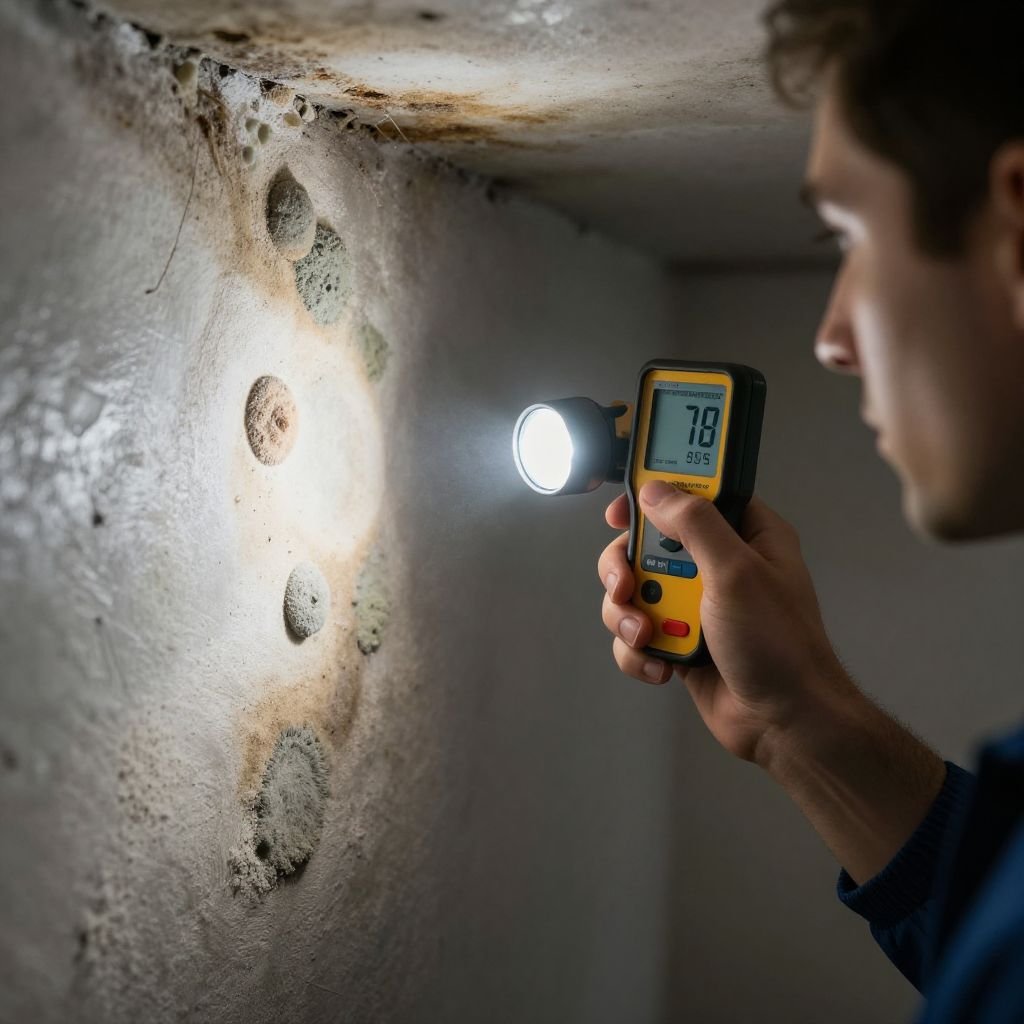
Our approach begins with thorough moisture mapping using infrared thermal imaging and calibrated humidity sensors. We identify hidden water sources that fuel mold growth—whether from monsoon intrusion, irrigation runoff, or mechanical system failures. This diagnostic precision prevents the cycle of recurring mold that frustrates many Casa Grande residents who've attempted DIY remediation.
We implement containment protocols specifically designed for desert homes, where temperature differentials between indoor and outdoor spaces can compromise standard barrier methods. Our negative air systems and HEPA filtration protect unaffected areas during removal, while structural drying equipment calibrated for low-humidity environments ensures complete moisture elimination without over-drying sensitive materials.
For homes with chronic moisture issues, we develop customized prevention strategies. This may include improving site drainage, sealing concrete foundations against capillary moisture, upgrading to refrigerated air conditioning, or installing whole-home dehumidification systems. We also coordinate with licensed HVAC contractors when ductwork contamination requires system modification.
Mold Remediation Services Available in Casa Grande
- Residential Mold Inspection & Testing — Air and surface sampling with laboratory analysis; moisture intrusion assessment
- Attic Mold Remediation — Addressing roof leak damage and inadequate ventilation in desert heat
- Crawl Space & Foundation Mold Removal — Groundwater and irrigation-related moisture solutions
- HVAC Mold Cleaning — Swamp cooler and ductwork decontamination
- Post-Monsoon Emergency Response — Rapid water extraction and preventive mold treatment
- Content Cleaning & Restoration — Salvage of belongings affected by mold growth
- Structural Drying & Dehumidification — Specialized equipment for arid climate conditions
- Preventive Mold Treatments — Encapsulation and moisture barrier installation
Mold Remediation Pricing in the Casa Grande Area
Mold remediation costs in Casa Grande typically range from $1,500 to $8,500 for residential projects, with most homeowners investing between $2,800 and $4,500 for comprehensive treatment of a single affected area. Pricing reflects the unique demands of desert climate remediation, including specialized drying protocols and the potential for widespread hidden growth behind stucco and drywall.
Minor surface mold in accessible areas may resolve for $1,200-$2,000, while extensive crawl space contamination or whole-home HVAC system treatment can exceed $10,000. Homes with ongoing moisture management needs—particularly those near agricultural irrigation or with failing vapor barriers—may require additional investment in preventive infrastructure.
We provide detailed written estimates following inspection, with transparent line-item breakdowns. Many homeowner insurance policies cover mold remediation when directly linked to a covered water loss event, and we assist with documentation for claims related to monsoon damage, plumbing failures, or appliance leaks. Financing options are available for larger remediation projects.
Frequently Asked Questions About Mold Remediation in Casa Grande
How quickly can mold grow after a monsoon storm in Casa Grande?
Mold can begin developing within 24-48 hours of moisture intrusion. The combination of warm temperatures and sudden humidity spikes during monsoon season creates accelerated growth conditions. We recommend inspection within 72 hours of any water damage event.
Is mold common in desert homes with swamp coolers?
Yes. Evaporative coolers introduce 3-5 gallons of moisture into homes daily during operation. Without proper ventilation and periodic maintenance, this moisture accumulates in ducts, walls, and insulation. Upgrading to refrigerated air or adding dedicated dehumidification significantly reduces risk.
Do I need to leave my home during mold remediation?
For contained, single-area remediation, most residents remain home with minimal disruption. Whole-home treatment or extensive HVAC contamination may require temporary relocation of sensitive individuals—particularly those with asthma, allergies, or compromised immune systems. We discuss occupancy plans during our initial assessment.