

Common Mold Remediation Problems in Breckenridge
Breckenridge homeowners face distinct mold challenges shaped by Summit County's harsh mountain climate. At 9,600 feet elevation, properties endure long, heavy snow seasons that trap moisture against foundations and roofing systems for months. Ice dams form along eaves, forcing water backward under shingles and into attic spaces where mold proliferates undetected until spring thaws reveal the damage.
Many Breckenridge residences sit vacant for weeks during off-peak seasons. Without consistent heating and ventilation, condensation accumulates on cold interior surfaces—particularly in basements and crawl spaces carved into mountainside terrain. Vacation properties are especially vulnerable; a small leak left unaddressed through ski season can colonize entire wall cavities before anyone discovers the musty odor upon return.
The town's older Victorian-era buildings and 1970s-era ski chalets present additional complications. Aging plumbing infrastructure, inadequate vapor barriers, and original construction methods ill-suited to modern moisture management create persistent humidity pockets. Short summer seasons rush repair timelines, forcing homeowners to choose between temporary fixes and comprehensive solutions before winter returns.
How We Help Breckenridge Homeowners
We understand Breckenridge's unique environmental pressures and architectural diversity. Our remediation teams are trained for high-altitude conditions where materials behave differently and drying protocols require adjustment for lower atmospheric pressure. We coordinate closely with property managers and out-of-state owners, providing detailed documentation for insurance claims and real estate transactions common in resort communities.
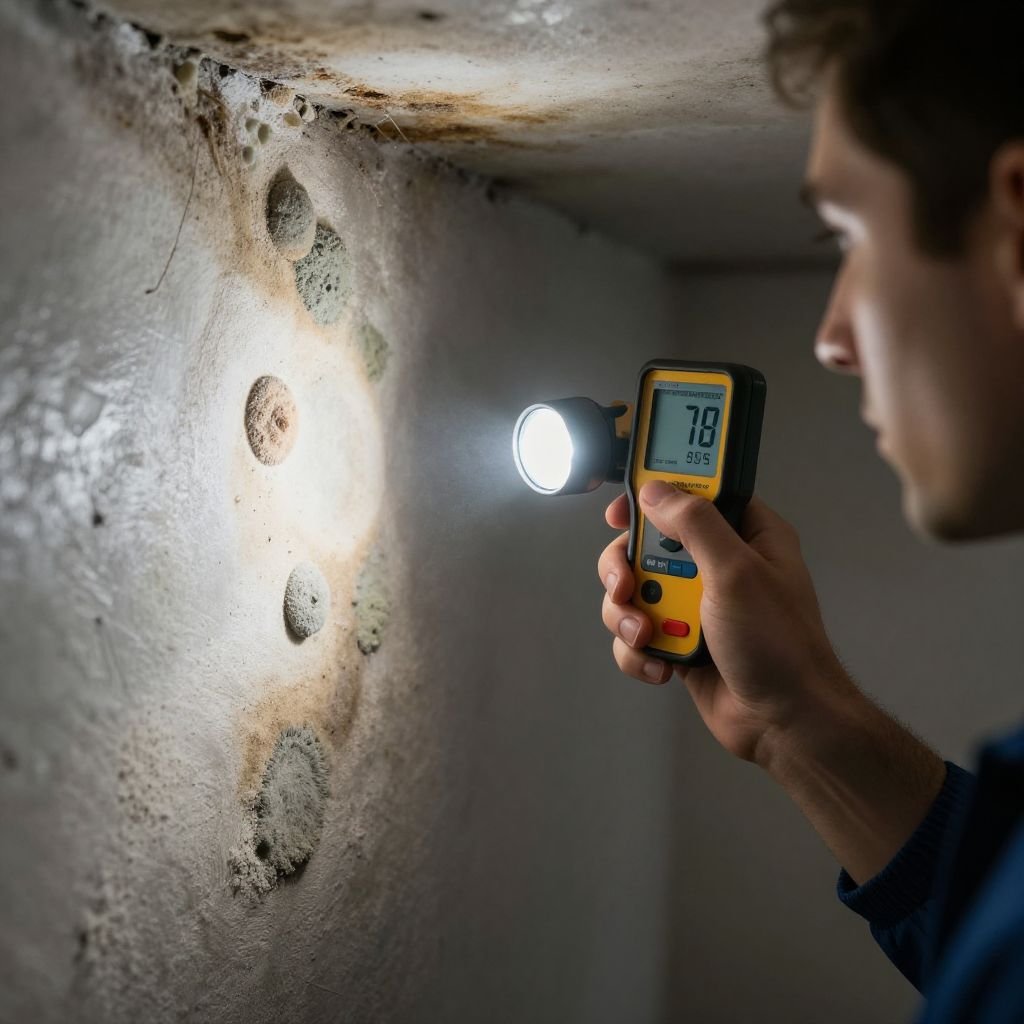
Our process begins with thermal imaging and moisture mapping to locate hidden colonization behind mountain-home features like vaulted ceilings, log construction, and built-in ski storage areas. We establish containment using negative air pressure systems that prevent cross-contamination during Colorado's frequent wind events. For seasonal residents, we offer post-remediation monitoring with humidity alerts through wireless sensors, ensuring properties remain protected between visits.
Mold Remediation Services Available in Breckenridge
- Attic and roof deck mold remediation — addressing ice dam infiltration and improper ventilation in snow-loaded structures
- Crawl space encapsulation — sealing earthen foundations against ground moisture and radon intrusion common in Summit County geology
- Basement waterproofing and drying — critical for walkout lower levels built into hillside grades
- HVAC and duct decontamination — removing spores from forced-air systems that circulate through mountain homes' extended duct runs
- Post-water-damage mold prevention — rapid response to burst pipes and appliance failures during deep freezes
- Pre-sale mold inspection and clearance testing — supporting Breckenridge's active real estate market with third-party verified documentation
Mold Remediation Pricing in the Breckenridge Area
Remediation costs in Breckenridge typically range from $2,500 for localized surface treatment in accessible areas to $15,000+ for extensive structural colonization requiring drywall removal, framing treatment, and reconstruction. Summit County's remote location and winter access challenges may affect mobilization fees, particularly for emergency calls during snowstorms when Fourmile Canyon or Hoosier Pass conditions complicate travel.
Most homeowner insurance policies cover mold remediation when triggered by covered perils like burst pipes or ice dam water intrusion. We provide itemized estimates with photo documentation to streamline claims processing. For secondary homes and rental properties, we offer priority scheduling during shoulder seasons when vacancy rates allow more extensive work with minimal revenue disruption.
Frequently Asked Questions
How does Breckenridge's altitude affect mold growth?
While thinner air at elevation doesn't directly accelerate mold colonization, extreme temperature differentials between heated interiors and subzero exteriors intensify condensation. Lower boiling points also affect some antimicrobial application methods, requiring formulation adjustments our technicians implement routinely.
Should I be concerned about mold in my Breckenridge property if it's closed all winter?
Yes—unoccupied homes are particularly vulnerable. We recommend maintaining minimum thermostat settings, strategic ventilation, and periodic property checks. Our wireless humidity monitoring provides remote alerts, allowing intervention before visible growth develops.
Can remediation be completed during ski season?
Absolutely. We work year-round, coordinating access with property managers and guests. Containment systems and HEPA filtration allow safe occupancy of unaffected areas during multi-day projects, minimizing disruption to rental schedules.