

Mold Remediation Services in Center Line, MI
Center Line homeowners face unique mold challenges due to Southeast Michigan's humid summers, freeze-thaw cycles, and aging housing stock. Our certified mold remediation specialists understand the specific conditions affecting properties across this 1.7-square-mile community in southern Macomb County.
Whether you own a mid-century ranch near Arbor Avenue or a commercial property along Ten Mile Road, prompt professional intervention prevents structural damage and protects indoor air quality. We provide comprehensive mold assessment, containment, removal, and prevention services tailored to Center Line's built environment.
Common Mold Issues in Center Line Properties
Center Line's housing development peaked during the 1940s–1960s postwar era, meaning many basements feature original concrete walls prone to seepage. Homes near the Wolfe Park area and properties bordering the Red Run Drain experience elevated groundwater pressure during spring melts. Crawl spaces beneath older bungalows frequently harbor Aspergillus and Penicillium species when ventilation proves inadequate.
Commercial buildings along Van Dyke Avenue and the industrial corridors near I-696 contend with roof HVAC condensation and plumbing infrastructure dating back decades. Our technicians identify moisture intrusion points that general contractors often overlook, including compromised sill plates, deteriorated mortar joints, and improperly sloped window wells.
After severe weather events affecting Macomb County, we respond to water damage calls throughout Center Line's compact grid of residential streets. Rapid drying within 24–48 hours prevents mold colonization, but when growth has already established, our containment protocols protect unaffected areas during remediation.
Frequently Asked Questions About Mold Remediation in Center Line
How quickly can mold spread in a Center Line basement after flooding?
Mold colonies can establish visible growth within 24–72 hours of water intrusion. Center Line basements with original concrete foundations and limited drainage are particularly vulnerable. We recommend emergency water extraction and structural drying within the first day, followed by moisture mapping to confirm materials have returned to safe equilibrium levels.
Do I need to leave my home during mold remediation?
Containment determines occupant safety. For isolated growth under 10 square feet in non-living areas, you may remain with containment barriers in place. Extensive remediation affecting HVAC systems or multiple rooms typically requires temporary relocation, particularly for residents with asthma, allergies, or compromised immune systems.
What does professional mold remediation cost in Center Line?
Remediation costs vary based on affected square footage, material types requiring removal, and necessary containment complexity. Center Line's smaller homes often mean more contained projects than sprawling suburban properties, though crawl space and finished basement work can increase scope. We provide detailed written estimates following inspection and air quality sampling.
Will mold return after professional remediation?
Lasting results require moisture source elimination. Our Center Line projects include moisture intrusion analysis, ventilation improvement recommendations, and optional dehumidification system installation. We warranty remediation work contingent upon addressing underlying humidity or water entry points.
Does homeowners insurance cover mold remediation in Michigan?
Coverage depends on your policy and mold cause. Sudden, accidental water damage from burst pipes typically receives coverage, while long-term maintenance neglect usually does not. We document damage thoroughly and work directly with insurance adjusters serving Macomb County to facilitate claims processing.
Our Mold Remediation Process for Center Line Properties
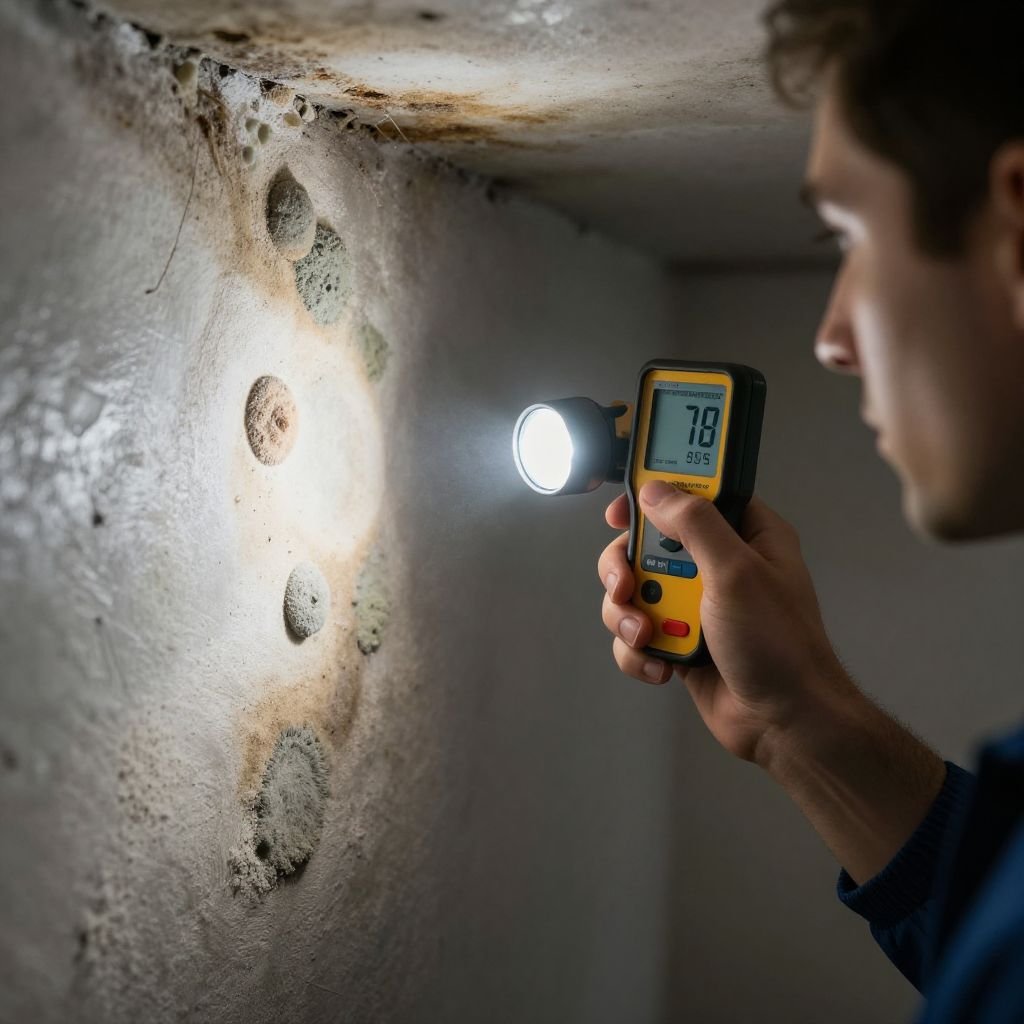
Every project begins with visual inspection and moisture detection using thermal imaging and hygrometers. We collect air and surface samples for laboratory analysis when species identification matters for health concerns or insurance documentation.
Containment barriers with negative air pressure prevent cross-contamination during removal. Non-salvageable porous materials—drywall, insulation, carpet padding—are bagged and disposed of per Michigan DEQ regulations. Remaining hard surfaces undergo HEPA vacuuming and antimicrobial treatment.
Post-remediation verification includes clearance testing to confirm airborne spore counts have normalized. For Center Line's older homes, we often recommend foundation waterproofing consultations or drainage improvements to prevent recurrence.