

How to Choose a Mold Remediation Professional in Cartersville
Finding qualified mold remediation in Cartersville requires understanding what separates true professionals from general contractors. Bartow County's humid subtropical climate creates year-round conditions where mold thrives, making local expertise essential.
Start by verifying Georgia state licensing for mold assessment and remediation. The Georgia Department of Public Health requires specific credentials that ensure technicians understand proper containment, air filtration, and disposal protocols. Ask to see current certificates and confirm they're not expired.
Experience with Bartow County building stock matters. Cartersville's mix of historic homes near downtown, mid-century ranch houses, and newer subdivisions around Lake Allatoona presents different moisture and mold challenges. Professionals should demonstrate familiarity with crawl space ventilation common in older neighborhoods and modern HVAC systems in newer construction.
Request proof of general liability and pollution-specific insurance. Mold remediation carries unique risks; standard contractor policies often exclude microbial contamination coverage. Reputable companies carry both worker's compensation and environmental liability protection.
Check whether the company performs independent post-remediation verification rather than self-certifying their work. Third-party clearance testing through an unrelated laboratory provides objective confirmation that spore counts returned to acceptable levels.
What to Expect from Mold Remediation Services in Cartersville
Professional mold remediation follows a structured protocol developed by the IICRC and EPA guidelines. Understanding this process helps homeowners prepare and evaluate service quality.
Initial Assessment and Moisture Mapping
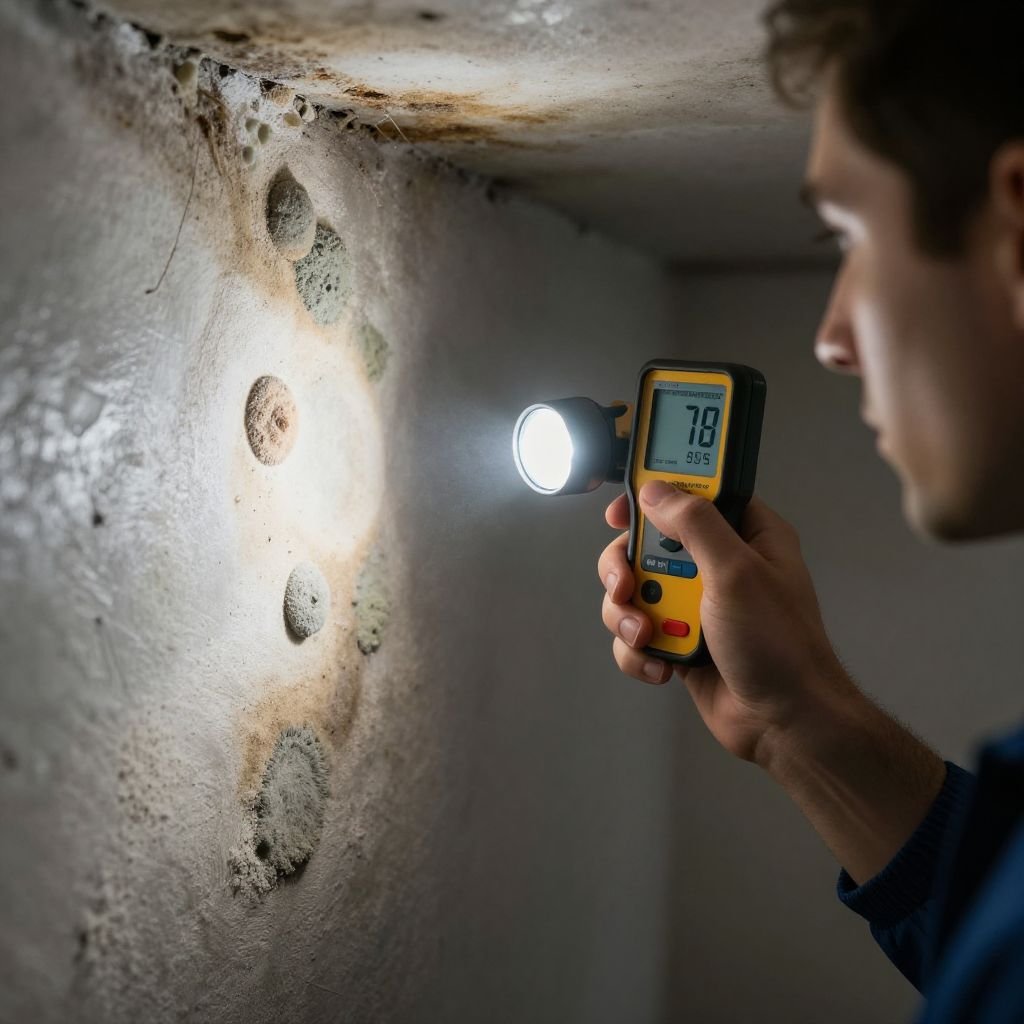
Technicians begin with visual inspection and moisture detection using thermal imaging and hygrometers. In Cartersville's climate, they pay particular attention to crawl spaces, basements, and attic ventilation where humidity accumulation commonly occurs. Air and surface samples may be collected for laboratory analysis to identify species and concentration levels.
Containment and Negative Air Pressure
Before disturbing any mold growth, crews establish physical barriers with polyethylene sheeting and create negative air pressure using HEPA-filtered air scrubbers. This prevents cross-contamination to unaffected areas of your home—critical when dealing with aggressive species like Stachybotrys or Chaetomium.
Removal and Cleaning
Porous materials with heavy contamination—drywall, insulation, carpet padding—are removed and bagged for proper disposal. Non-porous surfaces undergo HEPA vacuuming and antimicrobial treatment. The goal isn't simply killing visible mold but eliminating reservoirs that could reactivate.
Drying and Dehumidification
Industrial-grade dehumidifiers and air movers run continuously until moisture readings stabilize. Given Bartow County's outdoor humidity frequently exceeding 70%, achieving and maintaining indoor relative humidity below 60% requires professional-grade equipment most homeowners don't possess.
Restoration and Prevention
Final phases address underlying moisture sources—repairing leaks, improving ventilation, installing vapor barriers—and rebuilding removed structural elements. Quality providers warranty their work contingent upon moisture control maintenance.
Available Mold Remediation Services
Cartersville residents can access comprehensive mold solutions tailored to property type and contamination severity:
- Residential Mold Remediation — Whole-home assessment and targeted treatment for single-family houses, townhomes, and condominiums throughout Bartow County
- Crawl Space Mold Treatment — Specialized service addressing the prevalent issue of fungal growth in Georgia's ventilated and encapsulated crawl spaces
- Attic Mold Removal — Treatment for roof leak-related contamination and condensation problems from inadequate insulation or ventilation
- Water Damage Restoration — Emergency extraction, structural drying, and mold prevention following plumbing failures, appliance leaks, or storm damage
- Commercial Mold Remediation — Discreet, after-hours service for retail spaces, offices, restaurants, and industrial facilities along I-75 corridor
- Post-Remediation Verification Testing — Independent air quality sampling and laboratory analysis confirming successful remediation
- Mold Prevention Consultations — Humidity control strategies, ventilation improvements, and maintenance recommendations for vulnerable properties
Frequently Asked Questions About Mold Remediation in Cartersville
How quickly can mold grow after water damage in Cartersville's climate?
In Bartow County's warm, humid conditions, mold colonization can begin within 24 to 48 hours of moisture intrusion. Summer months accelerate growth significantly. Immediate water extraction and drying within this window prevents most secondary mold damage.
Will my homeowner's insurance cover mold remediation?
Coverage depends on your policy and the moisture source. Most standard policies cover mold remediation when it results from a sudden, accidental covered peril like burst pipes or storm damage. Long-term maintenance issues, slow leaks, or flooding from outside typically require separate endorsement or flood insurance.
Is it safe to stay in my home during mold remediation?
For contained, limited contamination in one area, residents often remain with containment barriers in place. For extensive remediation, HVAC contamination, or immunocompromised occupants, temporary relocation is advisable. Your remediation contractor should provide specific guidance based on project scope and air quality monitoring.