
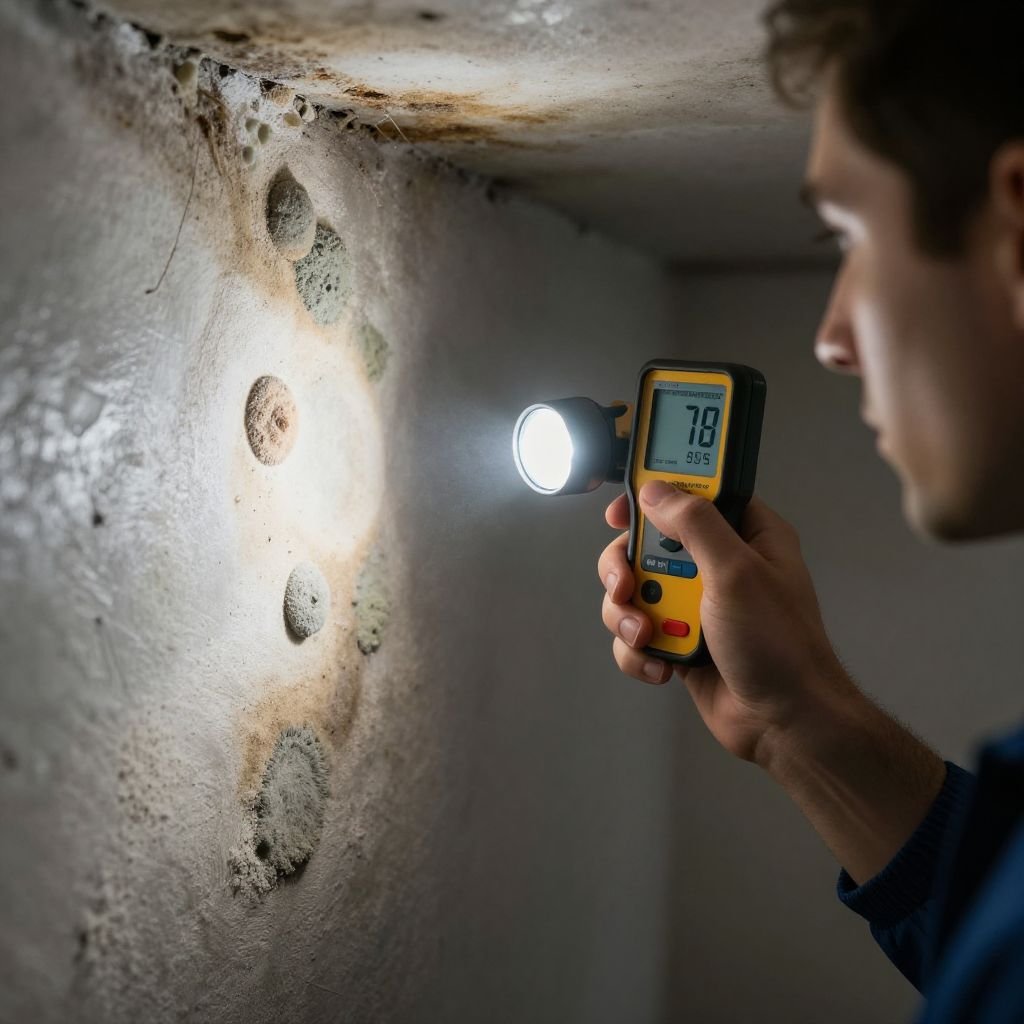

Discovering mold in your home can trigger immediate worry—not just about your family’s health, but about your wallet. One of the first questions homeowners ask is whether their insurance policy will step in to help. The answer isn’t a simple yes or no. Understanding when mold is covered by homeowners insurance and when it isn’t can save you from costly surprises and help you respond quickly when problems arise.
Is Mold Covered by Homeowners Insurance? It Depends on the Cause
The critical factor determining coverage is what caused the mold to grow in the first place. Homeowners insurance typically covers mold damage only when it results from a covered peril—sudden, unexpected events explicitly named in your policy.
Common scenarios where mold removal may be covered include:
- Water damage from a burst pipe or appliance hose
- Mold following a fire (from water used to extinguish flames)
- Storm damage that allows water intrusion through a roof or window
- Accidental overflow from plumbing or HVAC systems
However, mold caused by long-term leaks, poor ventilation, flooding, or neglected maintenance is generally excluded. Insurers view these as preventable issues that fall under homeowner responsibility. If you’ve ignored a dripping faucet for months or failed to repair a leaky roof, your claim will likely be denied.
Importantly, even when mold stems from a covered event, policies often impose strict limits. Many insurers cap mold remediation coverage between $1,000 and $10,000—far below what extensive remediation can cost. Some policies exclude mold entirely or offer it only as an optional endorsement you must actively purchase.
Understanding Mold Exclusions and Limitations
Standard homeowners insurance policies contain specific language limiting or excluding mold claims. These restrictions have tightened considerably over the past two decades as insurers responded to a surge in costly mold-related litigation, particularly in humid climates.
Key limitations to watch for include:
Named peril restrictions: Your policy only covers mold connected to perils it explicitly covers. Flooding, for instance, requires separate flood insurance—so mold after a flood won’t be covered by your standard policy.
Maintenance exclusions: Policies universally exclude damage from “wear and tear,” gradual deterioration, or lack of maintenance. A slow pipe leak behind a wall that breeds mold over months typically won’t qualify.
Coverage sublimits: Even approved claims may only receive partial payment. Review your declarations page carefully to identify your specific mold cap.
Hidden mold provisions: Some policies won’t cover mold you discover during renovations if the moisture source predated your policy period or developed gradually.
Reading your policy’s fine print matters enormously. If you’re unsure about your coverage, contact your agent before problems occur—not after you spot that telltale dark patch spreading across your ceiling.
Key Tips for Protecting Yourself and Your Home
Proactive measures dramatically improve your odds of successful claims and reduce mold risk overall:
Document everything. If you experience water damage, photograph the initial incident, your cleanup efforts, and any developing mold. Timestamps strengthen your case that the mold resulted from a sudden, covered event.
Act within 24-48 hours. Mold begins growing rapidly on wet materials. Immediate water extraction and professional drying services demonstrate due diligence and may prevent mold entirely. Save all receipts—these prove you mitigated damage responsibly.
Schedule annual policy reviews. Ask specifically about mold endorsements or riders. In high-humidity regions, purchasing additional mold coverage often makes financial sense despite added premiums.
Maintain detailed home maintenance records. Keep invoices for roof inspections, plumbing repairs, and HVAC servicing. These documents counter insurer arguments that you neglected upkeep.
Consider standalone mold insurance. Some specialty insurers offer dedicated mold policies, particularly valuable if you’ve had previous mold issues or live in moisture-prone areas.
Control indoor humidity. Keep levels below 60% using dehumidifiers and proper ventilation. Address condensation on windows promptly. Prevention eliminates coverage questions entirely.
Know your state’s regulations. Some states mandate minimum mold coverage or restrict how insurers can exclude it. Consumer protection laws vary significantly—understand yours.
Final Thoughts
Is mold covered by homeowners insurance? Sometimes—but never assume it is. Coverage hinges on causation, policy specifics, and your own diligence as a homeowner. The most successful approach combines understanding your policy’s actual language, maintaining your property meticulously, and responding instantly when water intrudes.
If you’re currently facing mold damage, document the situation thoroughly, review your policy immediately, and consider consulting a public adjuster if your insurer disputes coverage. For homeowners without current issues, this is your prompt to pull out that policy and have a candid conversation with your agent about where you truly stand.
Mold problems rarely resolve themselves, and delayed action only compounds health risks and financial exposure. Whether insurance ultimately contributes or not, protecting your home and family starts with knowledge—and prompt, decisive action.