

How to Choose a Mold Remediation Professional in Westmont
Finding the right mold remediation specialist in Westmont requires understanding both the local climate challenges and regulatory landscape of DuPage County. Westmont's proximity to the Des Plaines River watershed and its mix of mid-century homes and newer construction create distinct mold risk factors that experienced professionals should recognize.
When evaluating contractors, verify they hold Illinois Department of Public Health (IDPH) licensing for mold remediation, which became mandatory statewide in 2004. Ask specifically about their experience with DuPage County's building stock—many Westmont homes feature crawl spaces and basements prone to moisture accumulation from spring flooding and humid summers.
Request documentation of general liability insurance and pollution liability coverage tailored to mold work. Reputable firms should readily provide references from recent Westmont or nearby Downers Grove projects. Be cautious of estimates given without on-site moisture mapping; legitimate professionals insist on thorough assessment before quoting remediation scope.
Consider technicians certified through IICRC (Institute of Inspection, Cleaning and Restoration Certification) or ACAC (American Council for Accredited Certification), as these credentials indicate standardized training in containment protocols and air quality management—critical when working within occupied homes common throughout Westmont's residential neighborhoods.
What to Expect from Mold Remediation Services in Westmont
Professional mold remediation follows a structured protocol designed to eliminate active growth while preventing cross-contamination. Understanding this process helps Westmont homeowners prepare appropriately and evaluate service quality.
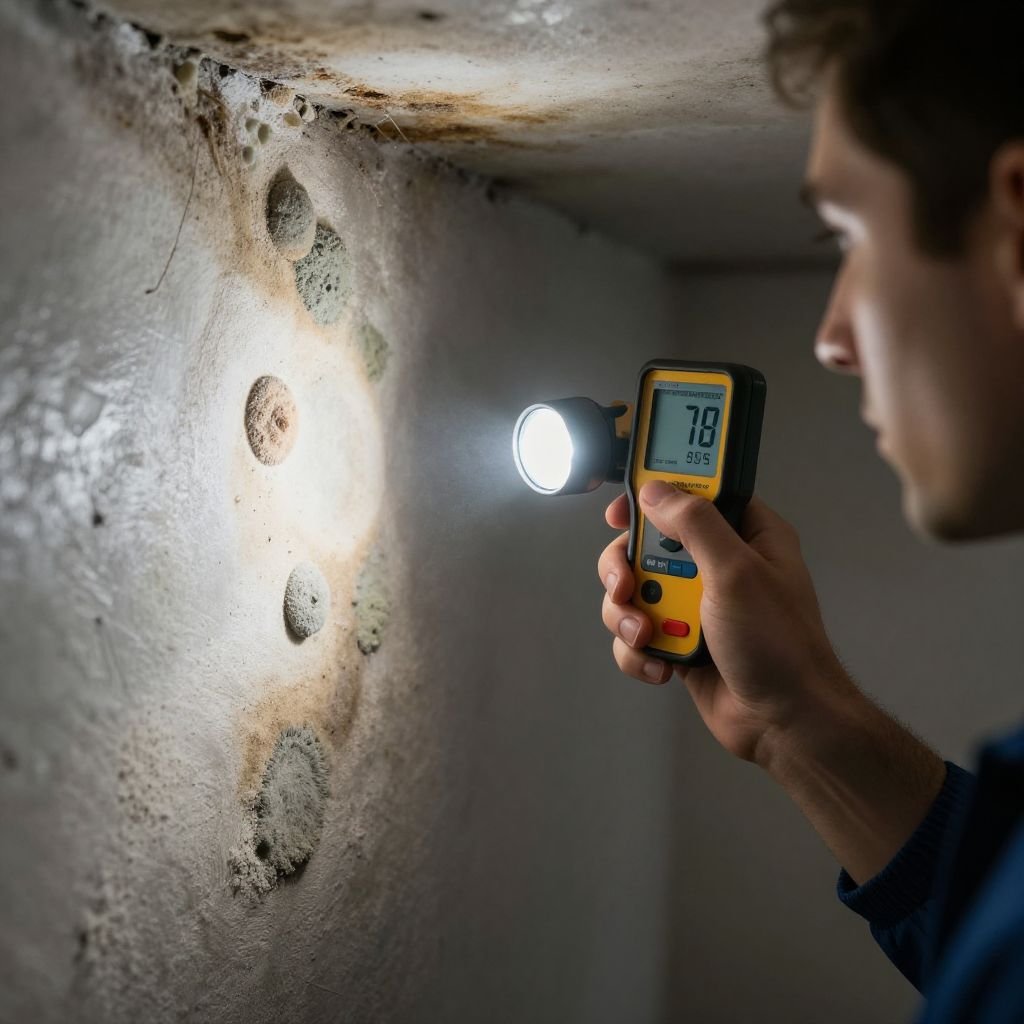
Phase one: Assessment and containment. Technicians conduct moisture surveys using thermal imaging and hygrometers to identify hidden water sources. This proves especially valuable in Westmont's older ranch-style homes where plumbing leaks often develop within slab foundations or behind plaster walls. Containment barriers of polyethylene sheeting isolate affected zones, with negative air pressure machines preventing spore migration to clean areas.
Phase two: removal and cleaning. Porous materials saturated with mold—typically drywall, insulation, and carpeting—require physical removal. Non-porous surfaces undergo HEPA vacuuming followed by antimicrobial application. In DuPage County's climate, drying equipment often runs 48-72 hours to achieve acceptable moisture content levels below 16% in wood framing.
Phase three: verification and prevention. Post-remediation clearance testing, conducted by an independent third party when possible, confirms airborne spore counts have normalized. Quality providers then address underlying moisture issues—whether grading corrections, sump pump installation, or ventilation improvements—to prevent recurrence in Westmont's precipitation-heavy environment.
Available Mold Remediation Services
Westmont residents can access comprehensive mold solutions scaled to property type and contamination severity:
- Emergency water damage response — 24-hour extraction and drying to prevent mold establishment within 24-48 hours of flooding events
- Basement and crawl space remediation — Specialized treatment for below-grade spaces common in DuPage County split-levels and ranches
- Attic mold treatment — Addressing ventilation-related growth from ice damming or insufficient exhaust systems
- Whole-house mold assessment — Comprehensive inspection for real estate transactions or persistent health concerns
- HVAC decontamination — Cleaning ductwork and air handling units that have distributed spores throughout living spaces
- Structural drying and humidity control — Permanent moisture management solutions including dehumidifier sizing and installation
- Post-flood restoration — Coordinated rebuilding with mold-resistant materials following major water loss events
Frequently Asked Questions
How quickly can mold become a problem after water damage in a Westmont home?
Mold colonization typically begins within 24 to 48 hours of moisture introduction. Given DuPage County's humidity levels during summer months, Westmont homeowners should initiate drying procedures immediately after any water intrusion, even minor incidents. Professional assessment is advisable if materials remain damp beyond this window.
Does homeowners insurance cover mold remediation in Illinois?
Coverage varies significantly by policy. Most standard Illinois homeowners policies exclude mold damage resulting from long-term maintenance neglect but may cover remediation when mold directly results from a covered peril—such as sudden pipe rupture or storm damage. Review your specific policy language and consider mold endorsements, particularly for finished basements common in Westmont.
Can I perform mold cleanup myself, or is professional remediation always necessary?
The EPA suggests DIY approaches for areas under 10 square feet involving non-toxic species, provided you have proper protective equipment. However, Westmont's frequent hidden moisture issues—within wall cavities, beneath flooring, or in crawl spaces—often extend contamination beyond visible areas. Professional intervention becomes essential when HVAC systems are involved, immunocompromised residents are present, or mold returns after initial cleaning attempts.