

Mold Remediation Services in Steubenville, OH
Steubenville's location along the Ohio River in Jefferson County creates unique challenges for homeowners and businesses dealing with mold growth. The area's humid continental climate, combined with seasonal flooding risks and older housing stock in neighborhoods like LaBelle View, Downtown, and the historic districts near Fort Steuben, makes professional mold remediation essential for maintaining healthy indoor environments.
Properties throughout Jefferson County face elevated moisture levels during spring thaws and heavy summer rainfall. Basements in hillside homes along University Boulevard and Oregon Avenue particularly struggle with water intrusion, while commercial buildings near the Ohio River corridor contend with groundwater seepage that feeds persistent mold colonies.
Our comprehensive mold remediation process addresses these Steubenville-specific conditions through detailed moisture mapping, targeted containment strategies, and thorough air quality restoration. We understand the distinct construction methods found in Ohio Valley architecture—from century-old brick homes to mid-century ranch properties—and tailor our approach to preserve structural integrity while eliminating contamination.
What Jefferson County Residents Can Expect
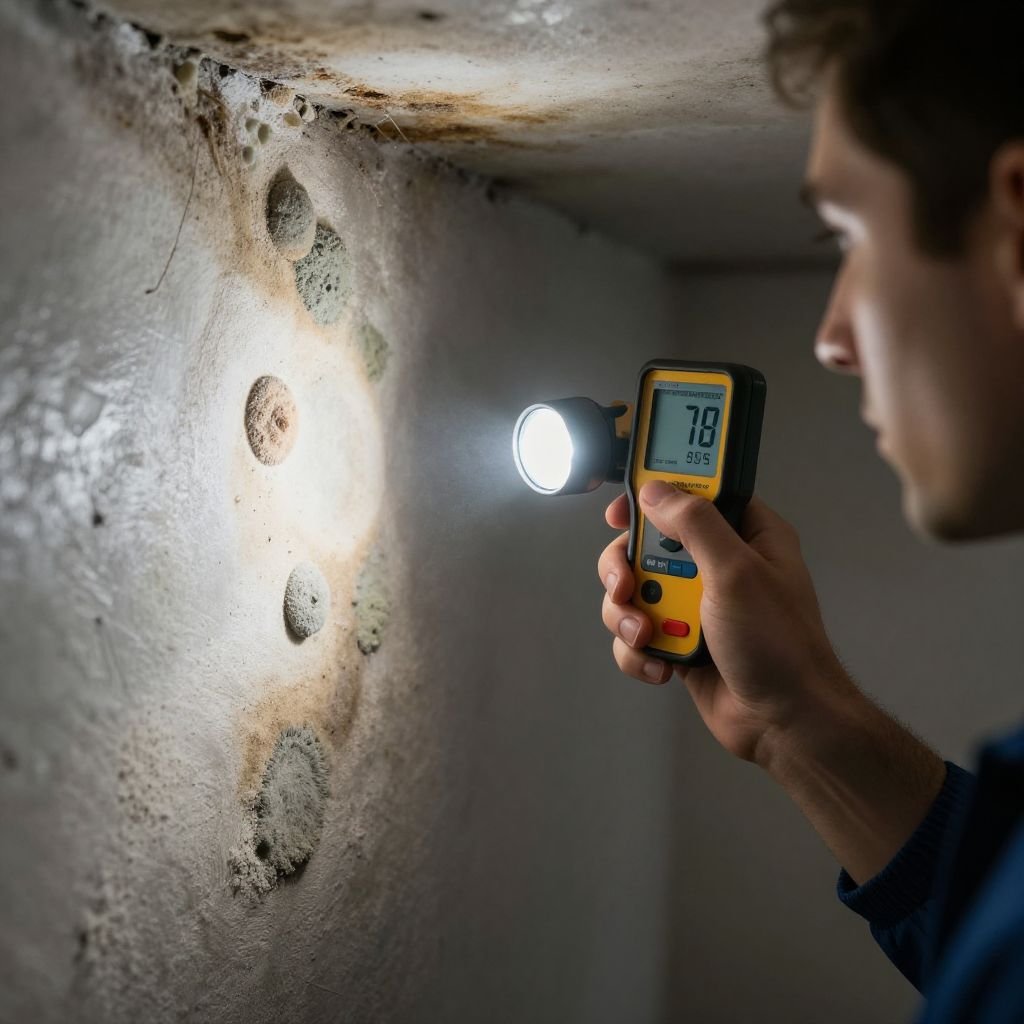
Every remediation project begins with a complete assessment identifying moisture sources, airflow patterns, and hidden mold growth behind walls, beneath flooring, and within HVAC systems common in Steubenville's varied building ages. Technicians document all findings before developing a customized remediation protocol that meets Ohio Department of Health guidelines and follows EPA-recommended containment procedures.
Containment barriers prevent cross-contamination during removal, while HEPA filtration systems capture airborne spores. Affected materials receive proper treatment or disposal according to Jefferson County waste regulations. Following remediation, we implement moisture control recommendations specific to your property's location—whether addressing hillside drainage, river-adjacent humidity, or aging foundation vulnerabilities.
Common Mold Issues in Steubenville and the Ohio Valley
The convergence of river valley geography and four-season weather patterns creates recurring mold scenarios throughout the region. Understanding these patterns helps property owners recognize early warning signs before extensive damage develops.
Basement and foundation moisture represents the most frequent call we receive from Jefferson County residents. Clay-heavy soils throughout the Ohio Valley retain water, exerting hydrostatic pressure against foundation walls. Spring snowmelt and prolonged autumn rains saturate these soils, forcing moisture through cracks and creating ideal conditions for Aspergillus and Penicillium growth in below-grade spaces.
Crawl space humidity affects numerous homes built between the 1940s and 1970s, particularly in areas like Pleasant Heights and Sunset Hills. Poor ventilation combined with bare earth floors allows ground moisture to evaporate directly into structural cavities, supporting mold on floor joists and insulation.
HVAC-related contamination spreads mold throughout entire buildings when condensation accumulates in ductwork or air handlers. This issue intensifies during Steubenville's humid summer months when cooling systems run continuously, creating temperature differentials that produce condensation on poorly insulated surfaces.
Frequently Asked Questions About Mold Remediation in Steubenville
How does Steubenville's river valley location affect mold growth compared to other Ohio cities?
The Ohio River creates a microclimate with higher ambient humidity than surrounding upland areas. Steubenville sits at approximately 1,100 feet elevation in a valley that traps moisture, particularly during temperature inversions common in autumn and winter. This means indoor relative humidity often runs 10-15% higher than in cities like Columbus or Cleveland at similar times. Homes without adequate dehumidification or ventilation systems face accelerated mold development, especially in basements and lower levels. Properties within several blocks of the riverfront experience the most pronounced effects, though hillside homes also contend with groundwater movement through porous sandstone and shale bedrock typical of Jefferson County geology.
Are there specific mold types more common in Jefferson County's older housing stock?
Steubenville's historic neighborhoods contain many homes built before modern moisture barriers and ventilation standards. These properties most commonly harbor Cladosporium on exterior-facing walls and window frames, Stachybotrys in chronically wet basement corners, and Chaetomium in water-damaged drywall. The prevalence of plaster-and-lath construction in pre-1950 homes creates different mold behaviors than modern gypsum board—plaster's higher pH initially resists some species, but its porosity allows deep colonization once moisture penetration occurs. Testing by qualified environmental consultants identifies specific species present, which informs both health risk assessment and appropriate remediation chemistry selection.
What should I do if mold appears after flooding near the Ohio River or from burst pipes in winter?
Immediate action within 24-48 hours significantly limits damage scope. First, document everything photographically for insurance purposes—Jefferson County properties in designated flood zones may have specific coverage considerations. Stop active water intrusion if safely possible. Remove standing water using pumps or wet vacuums, then begin drying with commercial air movers and dehumidifiers. However, avoid disturbing visible mold colonies, as this releases concentrated spore loads. Porous materials saturated for more than 48 hours—carpet padding, upholstered furniture, drywall below water lines, and insulation—typically require professional evaluation for salvageability. Contact remediation specialists promptly, as Ohio's humid summers make rapid secondary growth inevitable without thorough structural drying.
How do I verify that mold remediation was successful in my Steubenville property?
Effective verification requires multiple validation steps beyond visual clearance. Post-remediation assessment should include moisture content readings below 15% in wood structural members and ambient relative humidity sustained between 30-50%. Air sampling compares indoor spore counts to outdoor baseline levels—successful projects achieve rough parity or lower indoor counts. Surface sampling of previously affected areas should show no viable mold growth. Reputable providers in Jefferson County conduct third-party clearance testing rather than self-verification, eliminating conflict of interest. Request documentation of all moisture source repairs completed, as remediation without underlying cause resolution guarantees recurrence. Most warranties require adherence to specified maintenance protocols, including annual HVAC inspections and basement humidity monitoring.
Mold Remediation Throughout the Steubenville Area
We provide comprehensive mold remediation services across all Jefferson County neighborhoods and surrounding communities. From the historic district near Fort Steuben Park to residential areas bordering Franciscan University, commercial properties along Sunset Boulevard, and riverfront developments, our response teams understand local building characteristics and regulatory requirements.
Ohio Valley weather patterns don't follow municipal boundaries, and neither do our service capabilities. We maintain equipment staging and rapid response capacity for emergencies throughout the tri-state region where Ohio, Pennsylvania, and West Virginia converge.