

Mold Remediation Services in St. Joseph, MN
St. Joseph sits in the heart of Stearns County, where Minnesota's dramatic seasonal shifts create unique challenges for homeowners battling moisture and mold. From spring snowmelt saturating foundations to summer humidity lingering in basements and crawl spaces, this Central Minnesota community faces mold risks throughout the year. Whether you're near the College of Saint Benedict campus, along County Road 75, or in one of the newer developments expanding north of St. Cloud, professional mold remediation protects both your property investment and your family's respiratory health.
Homes in St. Joseph range from historic farmsteads converted to residential use to modern construction built to tighter energy standards. Each presents distinct mold vulnerabilities. Older properties often harbor hidden moisture pathways through aging foundations and outdated ventilation, while newer airtight homes can trap humidity without adequate mechanical ventilation. Our remediation protocols address both scenarios with customized moisture mapping, containment strategies, and post-treatment verification.
Stearns County's agricultural heritage means many St. Joseph properties include outbuildings, pole barns, or former grain storage structures repurposed for equipment or hobby use. These spaces frequently develop mold on wood framing, concrete floors, and stored materials when seasonal temperature swings cause condensation cycles. We evaluate entire property portfolios, not just primary residences, to prevent cross-contamination and protect structures that hold significant value for rural and semi-rural homeowners.
Common Mold Challenges for St. Joseph Homeowners
The Sauk River watershed influences groundwater patterns throughout this region, and properties with sump pump failures or improper drainage grading experience recurring basement moisture that feeds mold colonies behind finished walls. Ice dam damage from heavy winter snow loads similarly introduces attic moisture that can remain undetected until staining appears on ceiling drywall.
College-area rental properties present additional considerations. Tenant turnover, varying maintenance standards, and the pressure to minimize vacancy periods can delay mold reporting until problems escalate. We work with property owners to develop rapid-response protocols that address tenant health concerns while preserving rental income streams.
Frequently Asked Questions About Mold Remediation in St. Joseph
How does Minnesota's freeze-thaw cycle contribute to mold problems in St. Joseph homes?
Each winter, soil moisture freezes and expands, potentially cracking foundations or worsening existing gaps. When spring thaw arrives, water penetrates these openings and may remain trapped against basement walls through summer. This repeated wet-dry cycling creates ideal conditions for Penicillium and Aspergillus growth on concrete, framing, and stored items. Proper remediation must address both the active mold and the seasonal moisture mechanism to prevent recurrence.
Should I be concerned about mold in my St. Joseph home if I don't see visible growth?
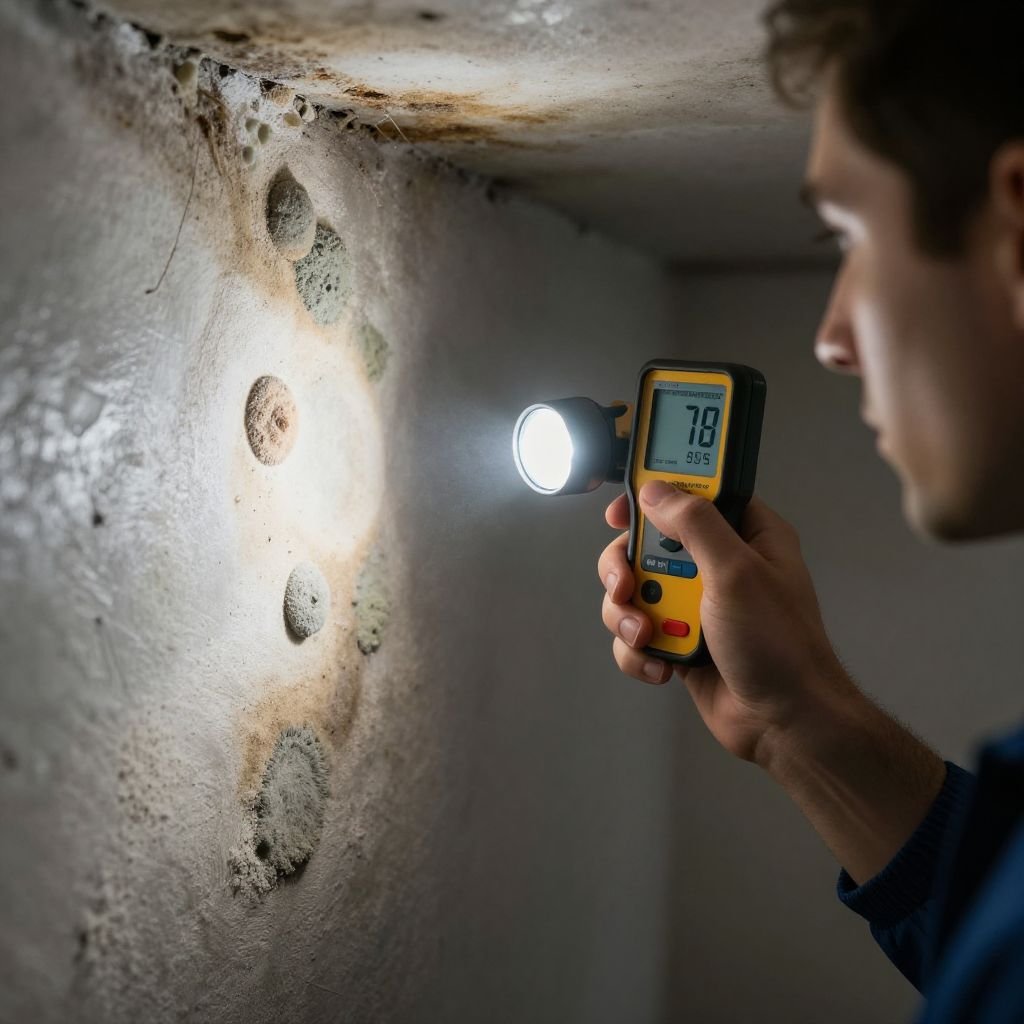
Absolutely. Mold frequently develops in concealed spaces—behind wall cavities, above suspended ceilings, within HVAC ductwork, and beneath flooring. Musty odors, unexplained allergy symptoms that improve when you leave home, or recent water damage history all warrant professional assessment. We use thermal imaging and moisture meters to detect hidden colonization without destructive investigation, then confirm species identification through laboratory analysis when indicated.
How long does professional mold remediation typically take for a St. Joseph residence?
Timeline varies with project scope. Contained bathroom or closet treatments may complete in 2–3 days. Whole-basement remediation with structural drying, multiple affected rooms, or crawl space work typically extends to 5–7 days. Properties requiring extensive demolition, historical material preservation, or complex HVAC decontamination may need 10–14 days. We provide detailed scheduling during our initial assessment and maintain containment barriers that allow unaffected home areas to remain usable during treatment.
What to Expect During Professional Mold Remediation
Our process begins with comprehensive moisture investigation using calibrated instruments, not visual guesswork. We identify all moisture sources—plumbing leaks, foundation seepage, condensation from temperature differentials, or ventilation deficiencies—because mold returns if underlying conditions persist.
Containment engineering prevents spore dispersal during remediation. Negative air pressure systems, HEPA filtration, and sealed barriers protect unaffected home areas. Removable materials with heavy colonization are bagged within containment; salvageable structural elements undergo abrasive cleaning, antimicrobial treatment, and drying verification.
Post-remediation, we provide documentation suitable for real estate transactions, insurance claims, or personal records. This includes moisture readings, photographic documentation, and laboratory clearance sampling when appropriate for the project scope.
Service Area Coverage Throughout Stearns County
Our technicians respond throughout the St. Joseph area and surrounding communities, bringing equipment scaled for everything from single-room treatments to multi-structure agricultural properties. We maintain familiarity with local building departments, permitting requirements, and the specific construction practices common to this region's development patterns.