

How to Choose a Mold Remediation Professional in Springville
Selecting the right mold remediation specialist in Springville requires careful consideration of several key factors. St. Clair County's humid subtropical climate creates ideal conditions for mold growth, particularly during spring and summer months when moisture levels rise. Local expertise matters significantly when addressing mold issues specific to this region.
First, verify that any contractor holds proper Alabama state licensing for mold assessment and remediation. The Alabama Department of Public Health maintains specific requirements for professionals working in this field. Ask for proof of certification from recognized organizations such as the Institute of Inspection, Cleaning and Restoration Certification (IICRC) or the National Organization of Remediators and Mold Inspectors (NORMI).
Experience with Springville's building stock is equally important. Many homes in this St. Clair County community range from historic properties near downtown to newer construction in developing areas. Each presents distinct challenges—older homes may have hidden moisture intrusion from aging foundations or inadequate ventilation, while newer builds can suffer from construction moisture that wasn't properly addressed.
Request detailed written estimates that outline the scope of work, containment strategies, and post-remediation verification testing. Reputable professionals will explain their moisture source identification process, as eliminating the root cause prevents recurrence. Check online reviews specifically mentioning response times and thoroughness, and confirm the company carries adequate liability and workers' compensation insurance.
What to Expect from Mold Remediation Services in Springville
Understanding the remediation process helps homeowners prepare and evaluate service quality. Professional mold remediation follows established protocols designed to protect both occupants and workers while thoroughly addressing contamination.
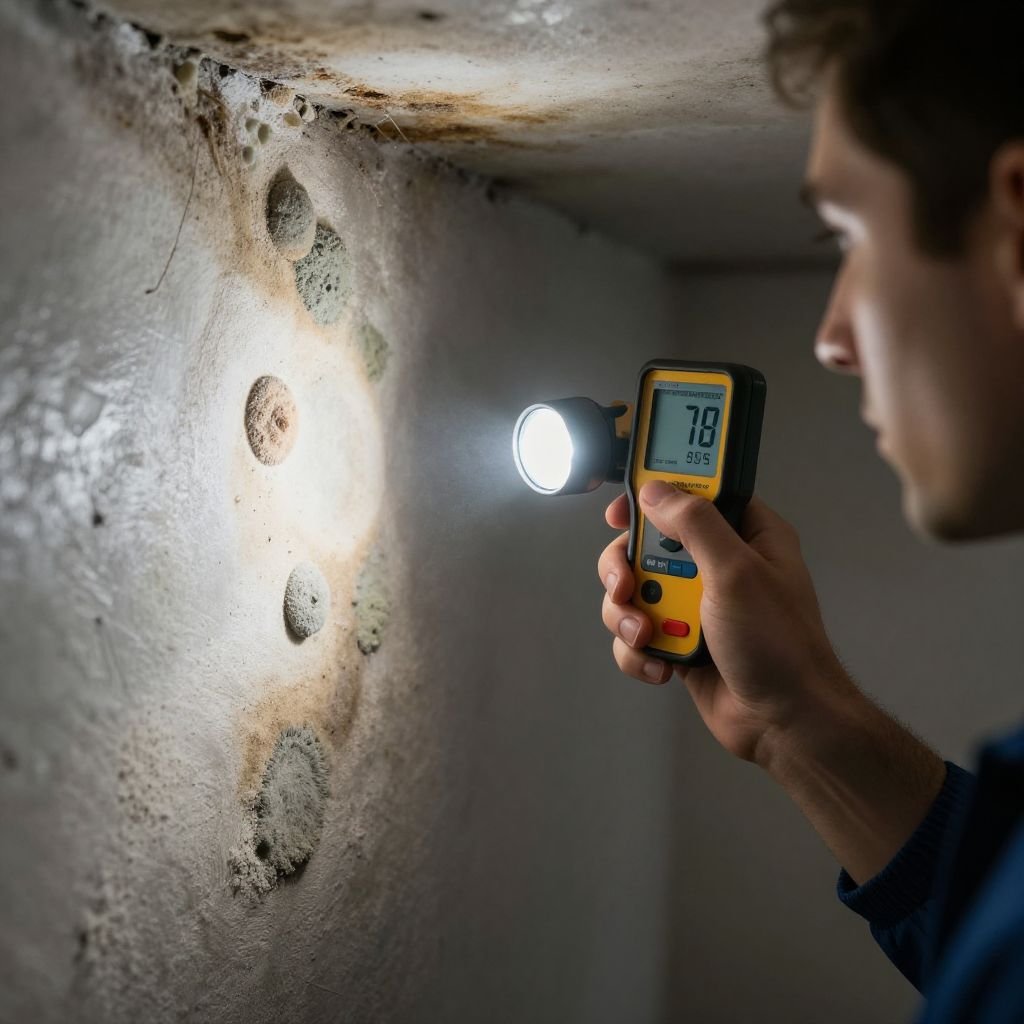
The process typically begins with a comprehensive inspection and moisture assessment. Technicians use moisture meters, thermal imaging cameras, and sometimes air sampling to identify affected areas and underlying water sources. In Springville's climate, common moisture culprits include crawl space humidity, roof leaks from severe thunderstorms, plumbing failures, and inadequate bathroom ventilation.
Containment comes next, with physical barriers and negative air pressure systems preventing spore dispersal to unaffected areas. Affected materials—drywall, insulation, carpeting, or structural elements—are removed following industry guidelines. HEPA filtration runs continuously during this phase to capture airborne particles.
Cleaning and treatment follow removal, with antimicrobial applications on remaining surfaces. The drying phase is critical in St. Clair County's humid environment; industrial dehumidifiers and air movers must run until moisture content reaches acceptable levels. Finally, post-remediation verification—whether visual inspection or third-party air testing—confirms successful completion before reconstruction begins.
Most Springville residential projects require three to seven days, though extensive contamination or large properties may extend this timeline. Temporary relocation is sometimes recommended during active remediation, particularly for sensitive individuals.
Available Mold Remediation Services
Springville residents can access comprehensive mold solutions tailored to various situations and property types.
Emergency Mold Response
24/7 availability for water damage events requiring immediate intervention. Rapid response within hours prevents mold establishment when pipes burst, appliances fail, or storm damage occurs.
Crawl Space & Basement Remediation
Specialized services addressing Springville's common below-grade moisture problems. Includes vapor barrier installation, dehumidification systems, and structural drying.
Attic Mold Treatment
Targeting ventilation-related growth common in Alabama's hot, humid summers. Often involves improving airflow, addressing roof leaks, and treating sheathing and framing.
Whole-Home Remediation
Comprehensive service for widespread contamination or post-flood situations. Coordinates with insurance adjusters and includes contents cleaning when necessary.
Preventative Moisture Control
Proactive solutions including humidity monitoring, improved ventilation design, and waterproofing recommendations specific to local soil and weather conditions.
Frequently Asked Questions
How does Springville's climate affect mold growth?
Springville experiences average humidity levels of 70% or higher for much of the year, with frequent rainfall and warm temperatures creating prolonged favorable conditions for mold. Summer thunderstorms and mild winters that rarely freeze mean mold can grow year-round if moisture sources exist.
Will my homeowner's insurance cover mold remediation in St. Clair County?
Coverage varies significantly by policy. Most standard policies cover mold remediation only when it results from a covered peril, such as sudden water damage from a burst pipe. Gradual moisture issues or maintenance-related problems are typically excluded. Review your specific policy and consider additional mold coverage endorsements available in Alabama.
Can I handle small mold problems myself?
DIY treatment is sometimes appropriate for very limited areas—less than 10 square feet on hard surfaces—using proper protective equipment and EPA-registered cleaners. However, hidden growth, HVAC contamination, or any mold affecting porous materials warrants professional assessment. Springville's high humidity makes recurrence likely without proper moisture control.